
Shopping on the Costa del Sol
Shopping on the Costa del Sol runs the whole range, from a Tuesday street market where nothing costs more than a few euros to the designer flagships of Puerto Banus. In between sit big modern malls, the department-store comfort of El Corte Ingles, weekly farmers markets, and the small family shops of the old towns. Here is how all of it works, and where to go for what.
Four levels, one coast
Shopping here spans the full ladder, from a few euros at a street market to a five-figure afternoon on the marina.
Budget
Weekly street markets (mercadillos), Primark in Larios Centro, Dia and the value bazaars. A whole outfit or a week of fruit and veg for very little.
Mid-market
The Spanish and international high street: Zara, Mango, Massimo Dutti and the rest, on Calle Larios and in the big malls like La Cañada and Miramar.
Premium
El Corte Inglés, Spain’s one department store, for everything under one roof, plus the McArthurGlen designer outlet with premium brands up to 70% off.
Ultra-luxury
Puerto Banús: over 100 designer flagships along the marina, Louis Vuitton to Rolex, with the Golden Mile hotel boutiques alongside.
Malls and shopping centres
Around fifteen big centres line the coast, from Marbella’s La Cañada to Málaga’s Plaza Mayor and its McArthurGlen designer outlet, most with a hypermarket, cinema and dining. Ranked here by their Google rating.
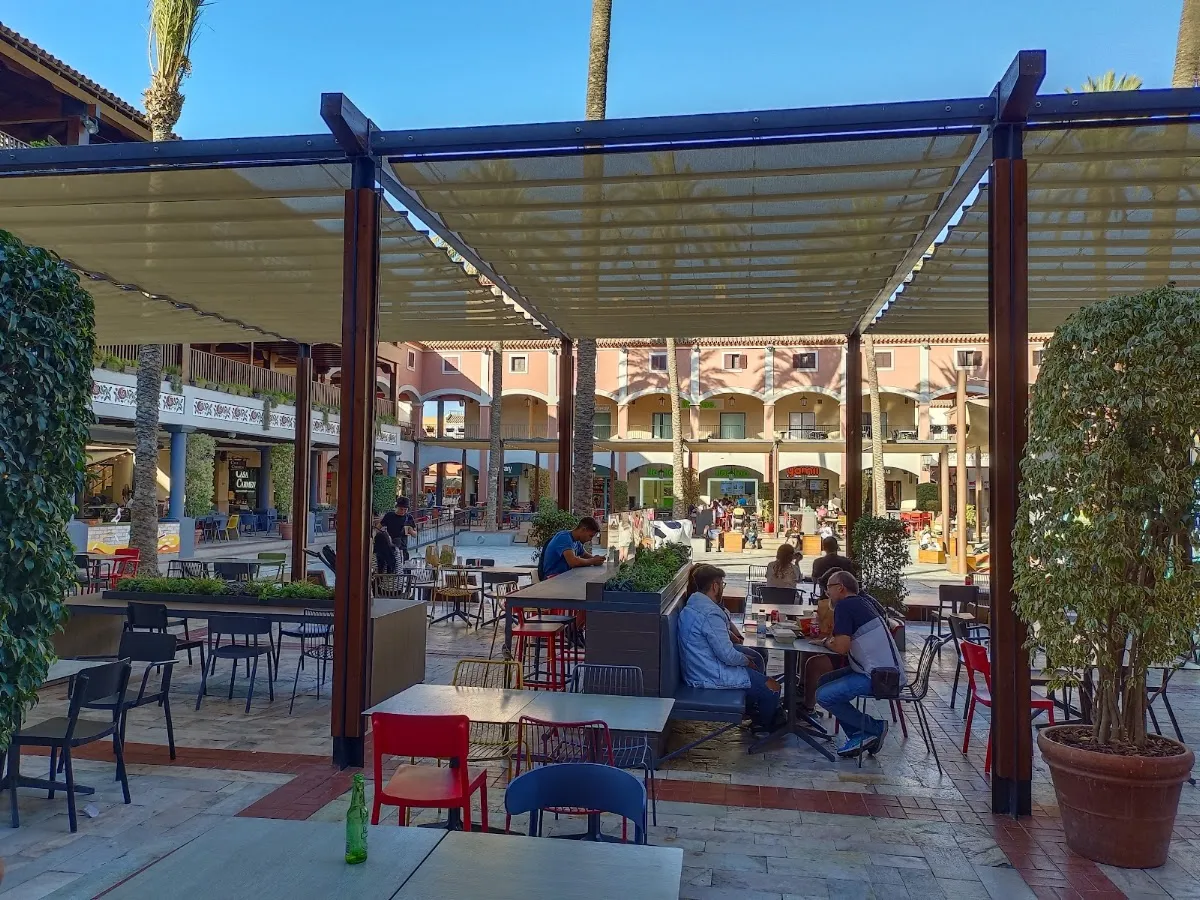
Plaza Mayor & McArthurGlen Designer Outlet
4.5(8.329)Málaga · Outlet closed Sun; leisure openOpen-air leisure plus a designer outlet up to 70% off, by the airport.
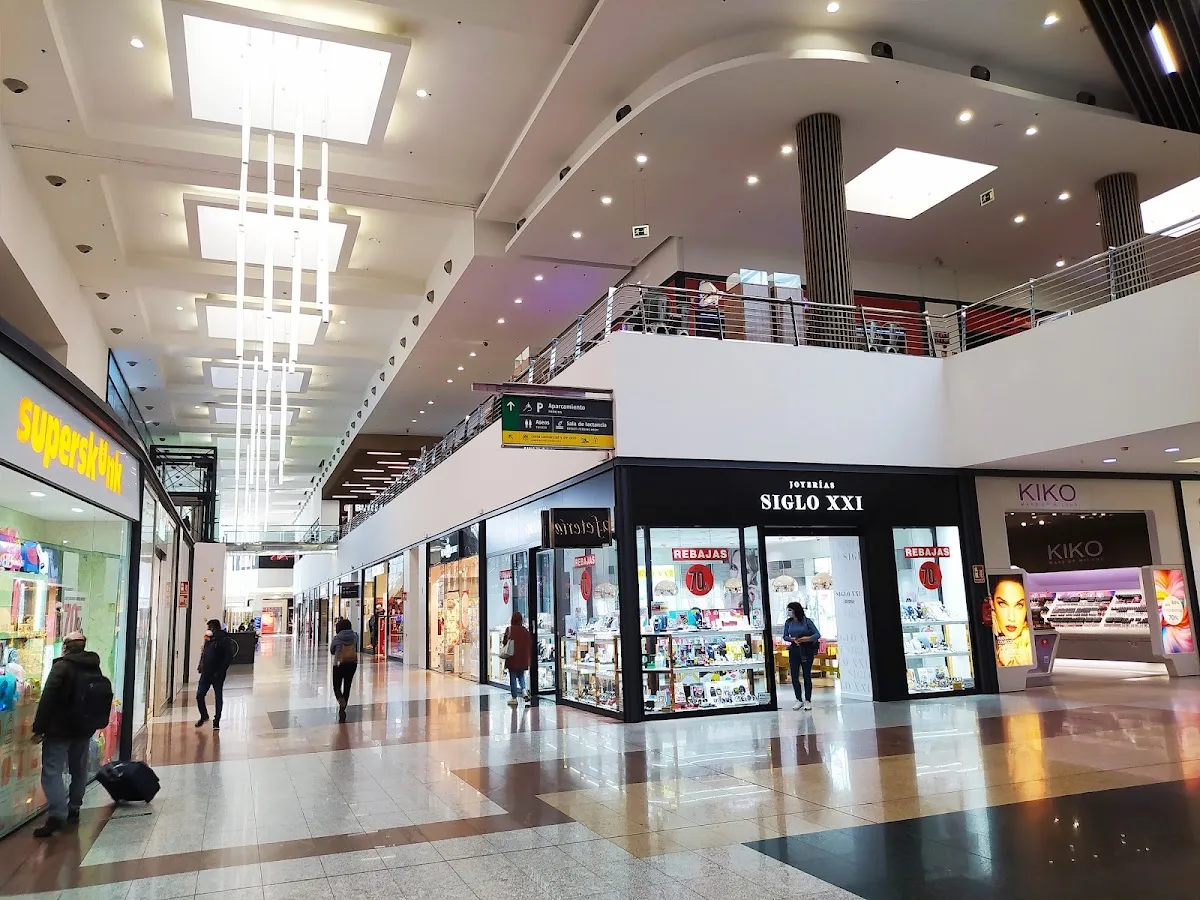
Vialia Málaga
4.5(3.627)Málaga · Designated SundaysInside the María Zambrano train station.
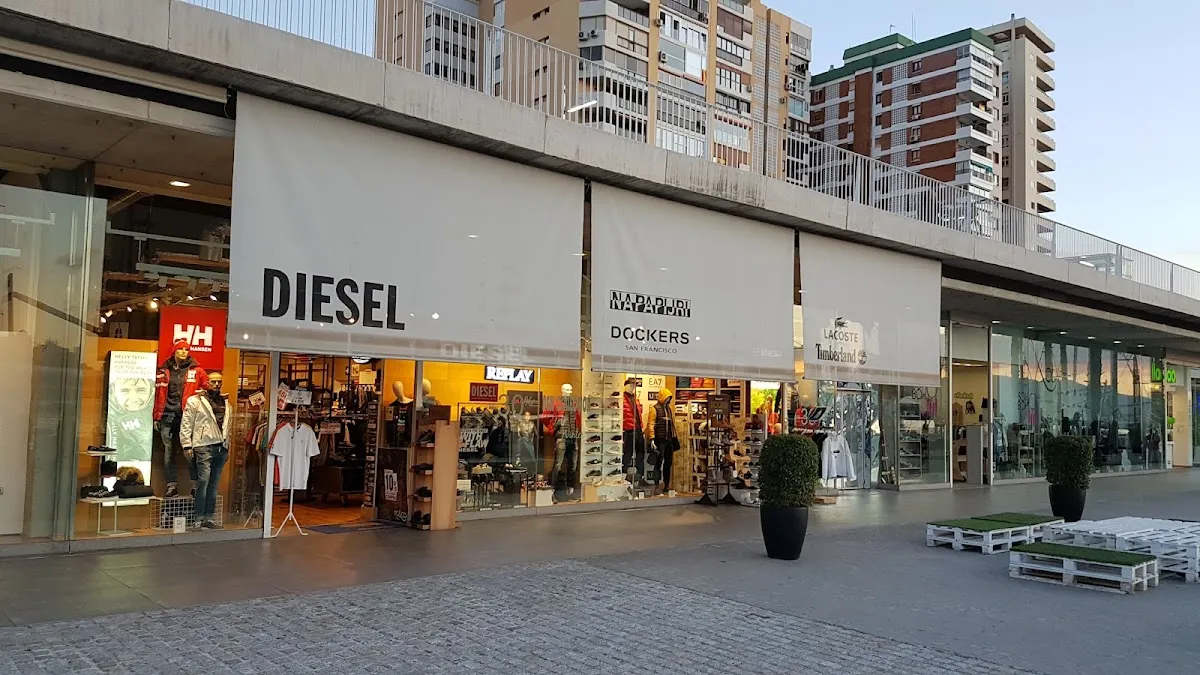
Muelle Uno
4.5(39.637)Málaga · Open SundaysOpen-air shopping and dining promenade on the port.
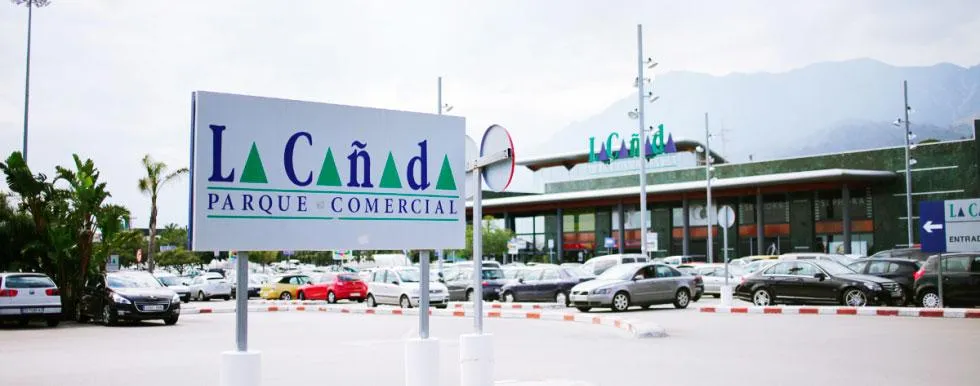
La Cañada
4.4(35.125)Marbella · Sundays in summer & ChristmasMarbella’s big mall, around 150 shops, dining and leisure.
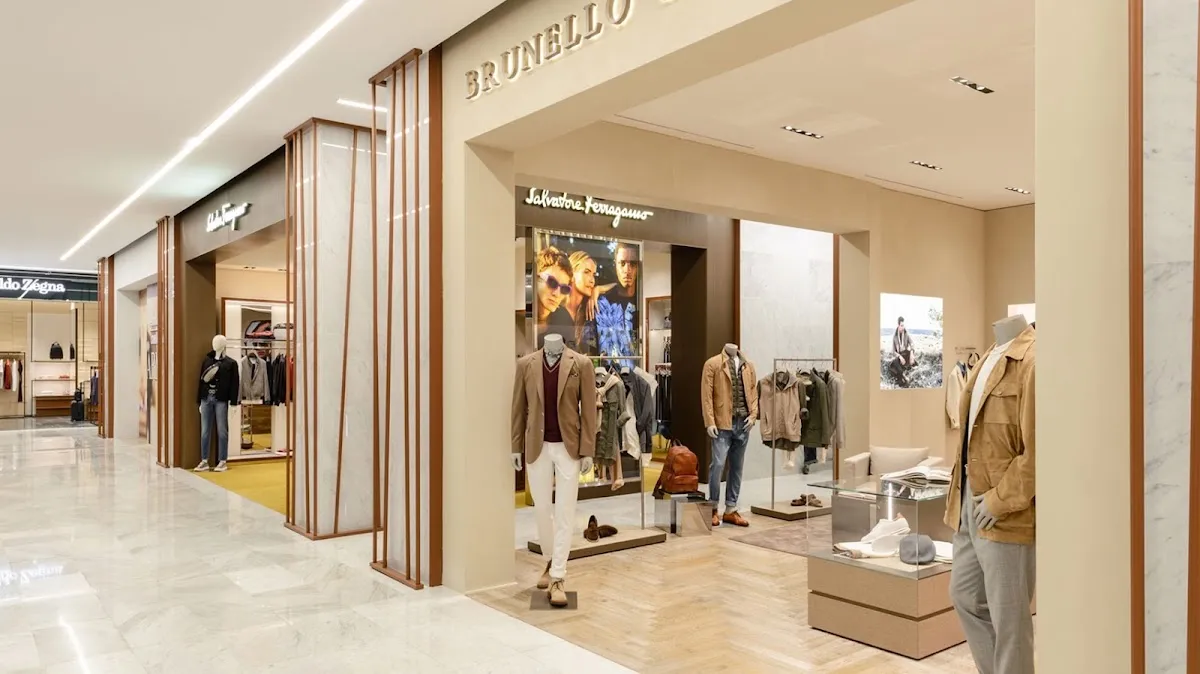
El Corte Inglés Puerto Banús
4.4(9.285)Puerto Banús · Closed Sun (except commercial)Five-floor department store beside the marina.
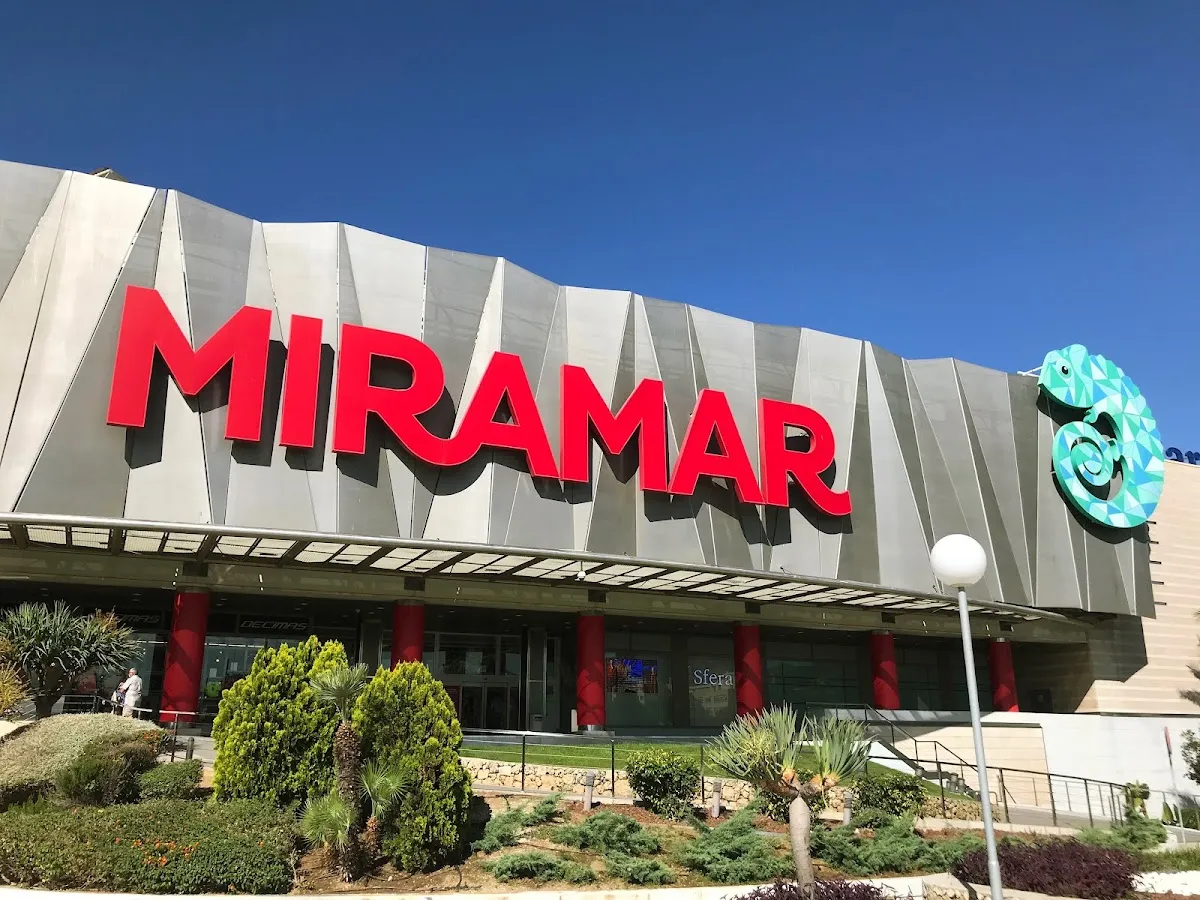
Miramar
4.4(34.144)Fuengirola · Sundays Jul to SepLarge enclosed mall with a 12-screen cinema.
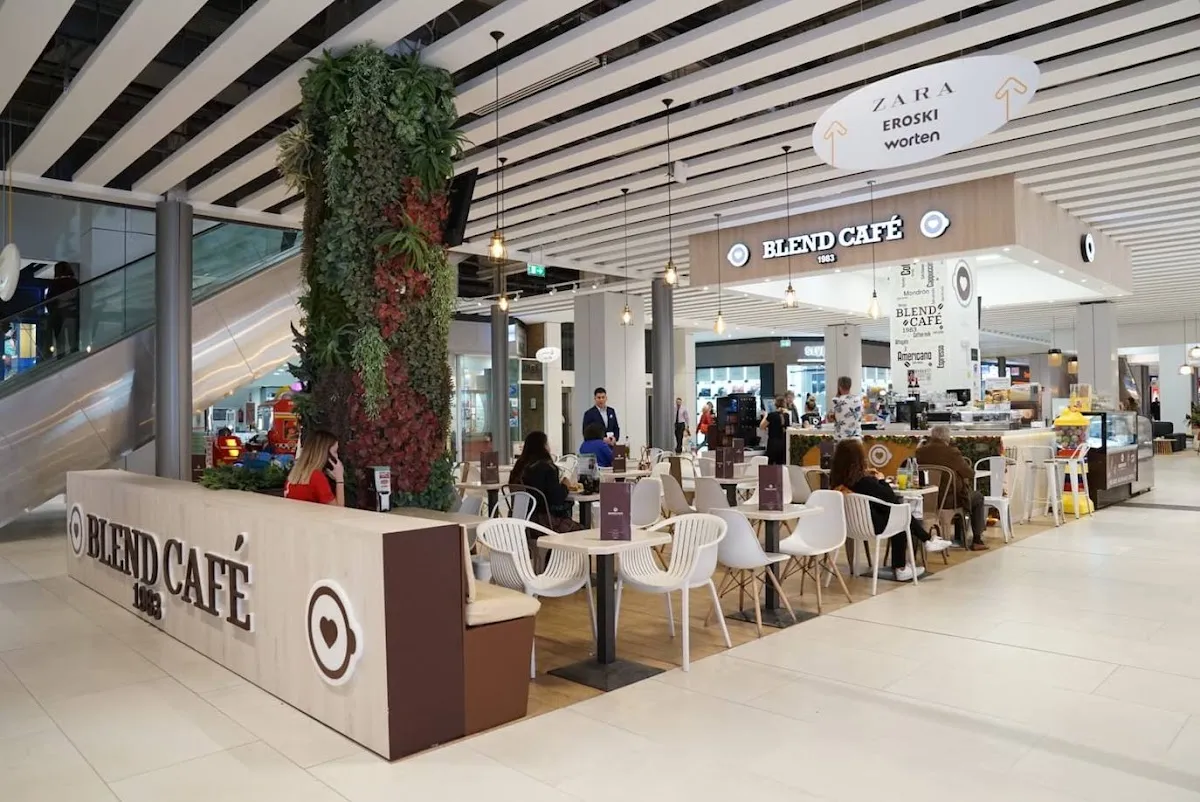
Larios Centro
4.3(34.341)Málaga · Closed Sun (except holidays)City-centre mall by María Zambrano station.
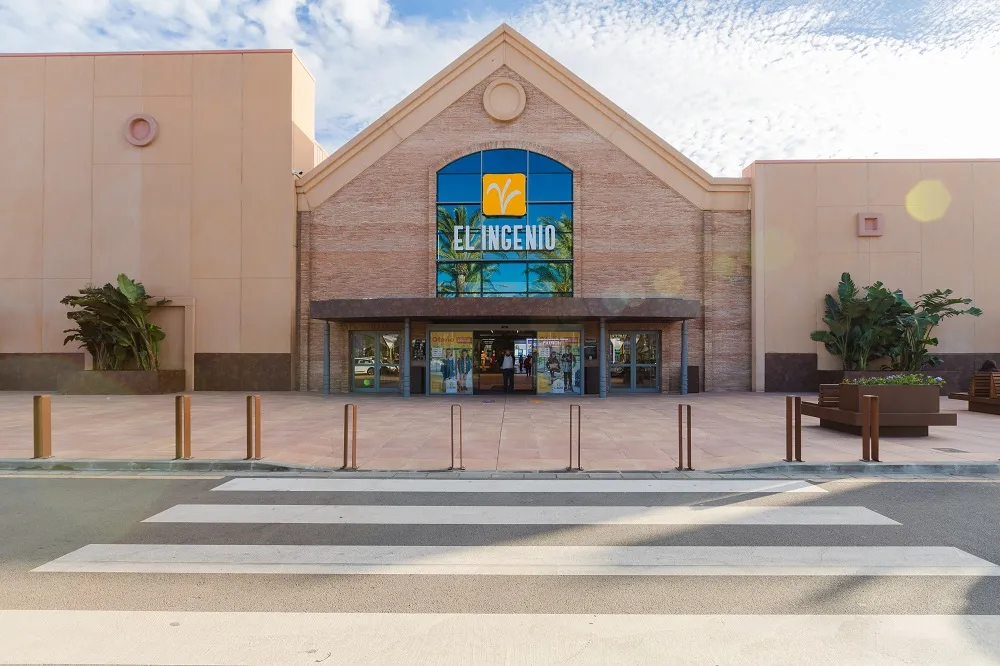
El Ingenio
4.3(16.630)Vélez-Málaga · Sun leisure & cinema100-plus shops and a 12-screen cinema near Torre del Mar.
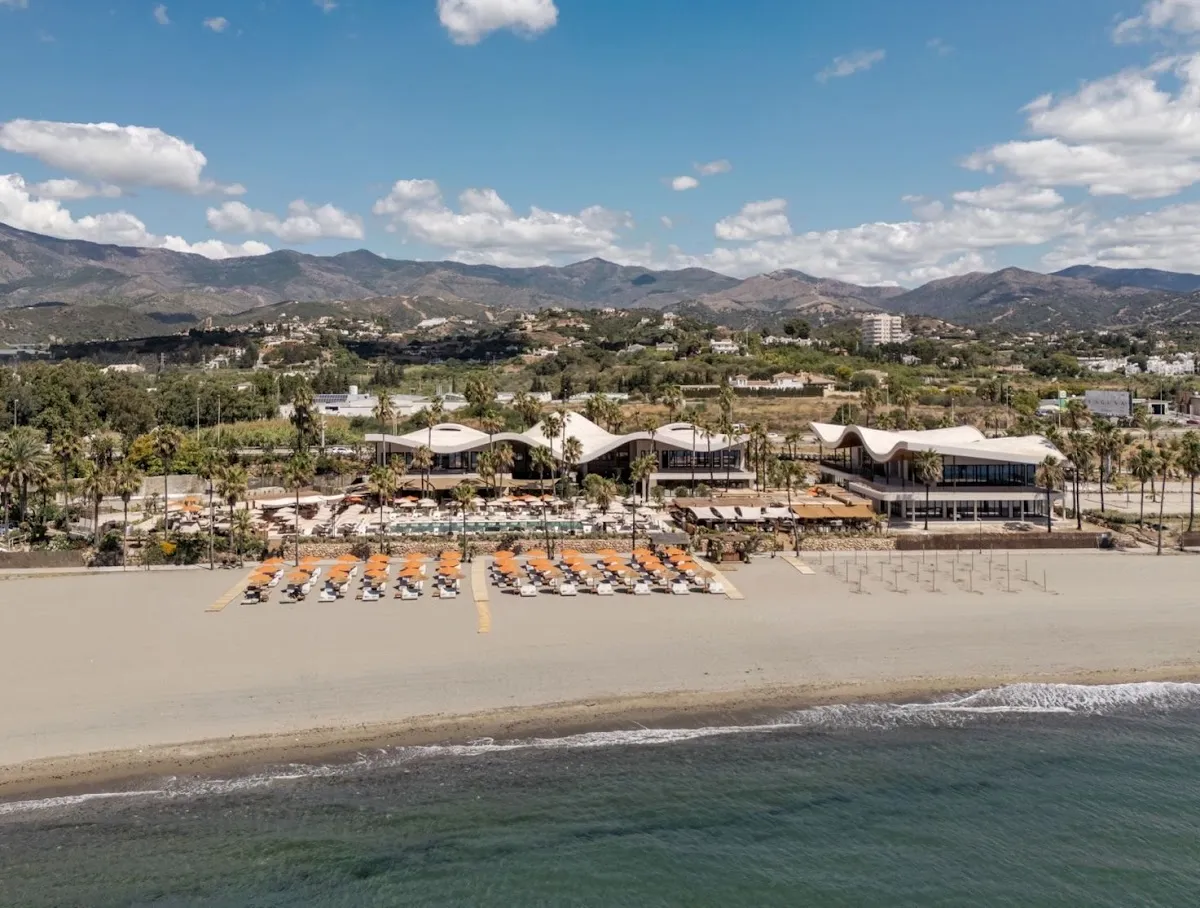
Laguna Beach
4.2(150)Estepona · Sun 12:00 to 18:00Beachfront boutique and lifestyle village on the New Golden Mile.
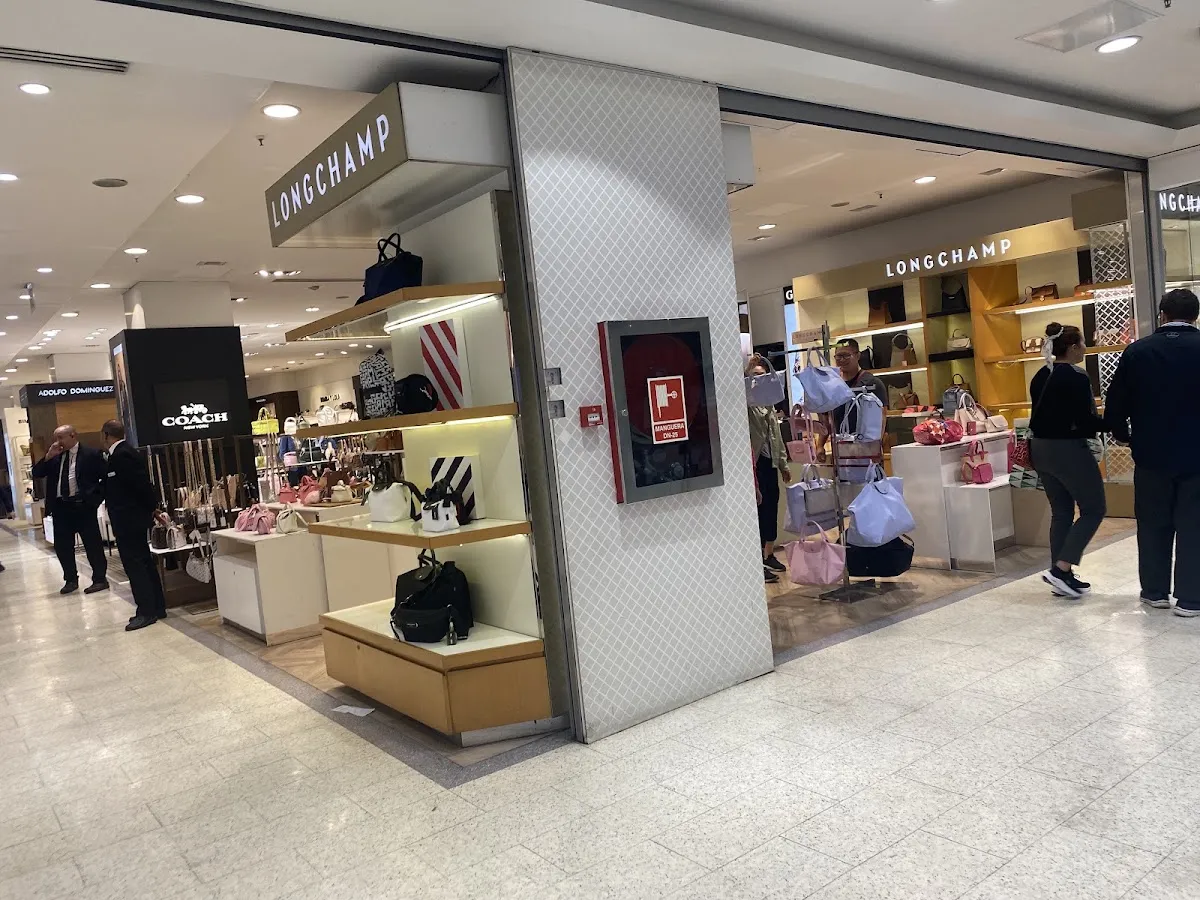
El Corte Inglés Málaga
4.2(20.709)Málaga · Mon to Sat 10:00 to 22:00City-centre department store on Avenida de Andalucía.
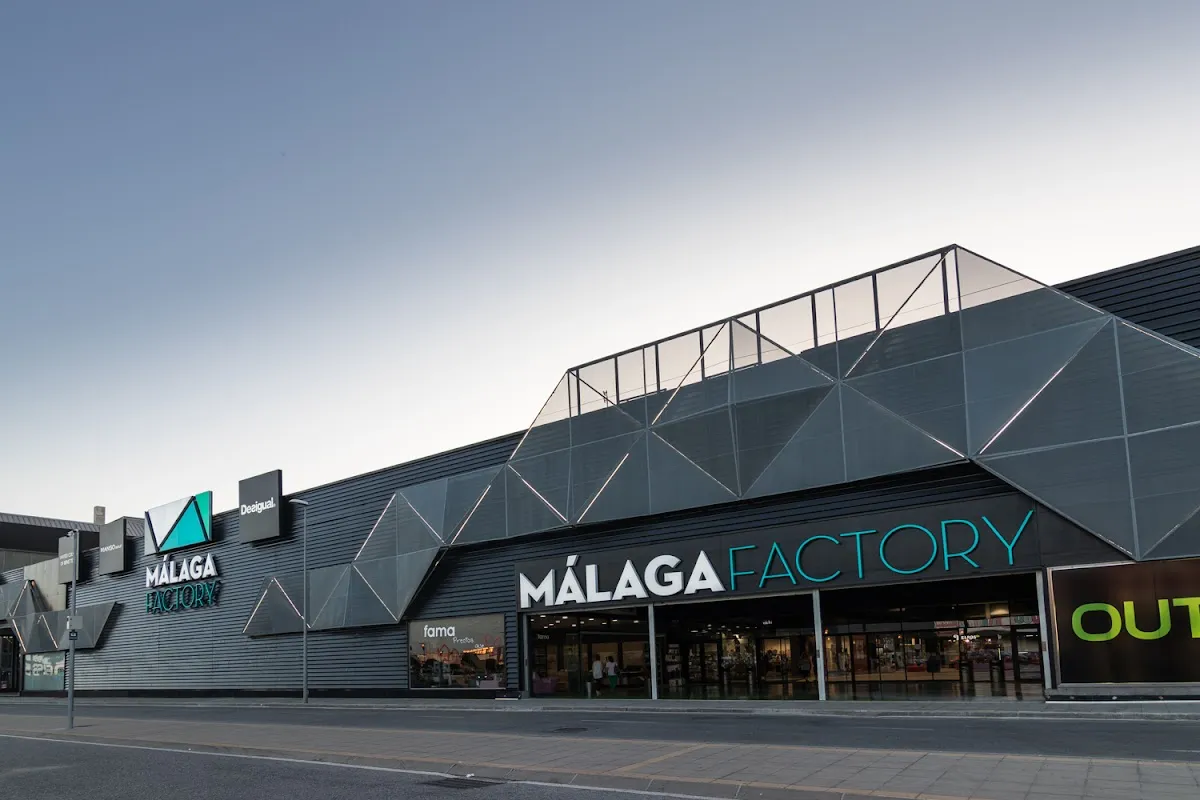
Málaga Nostrum
4.1(13.944)Málaga · Daily Jun to SepRetail park, factory outlet and cinema.
Centro Comercial Rincón de la Victoria
4.1(8.891)Rincón de la Victoria · Holiday opening days50-plus stores with a Yelmo cinema.
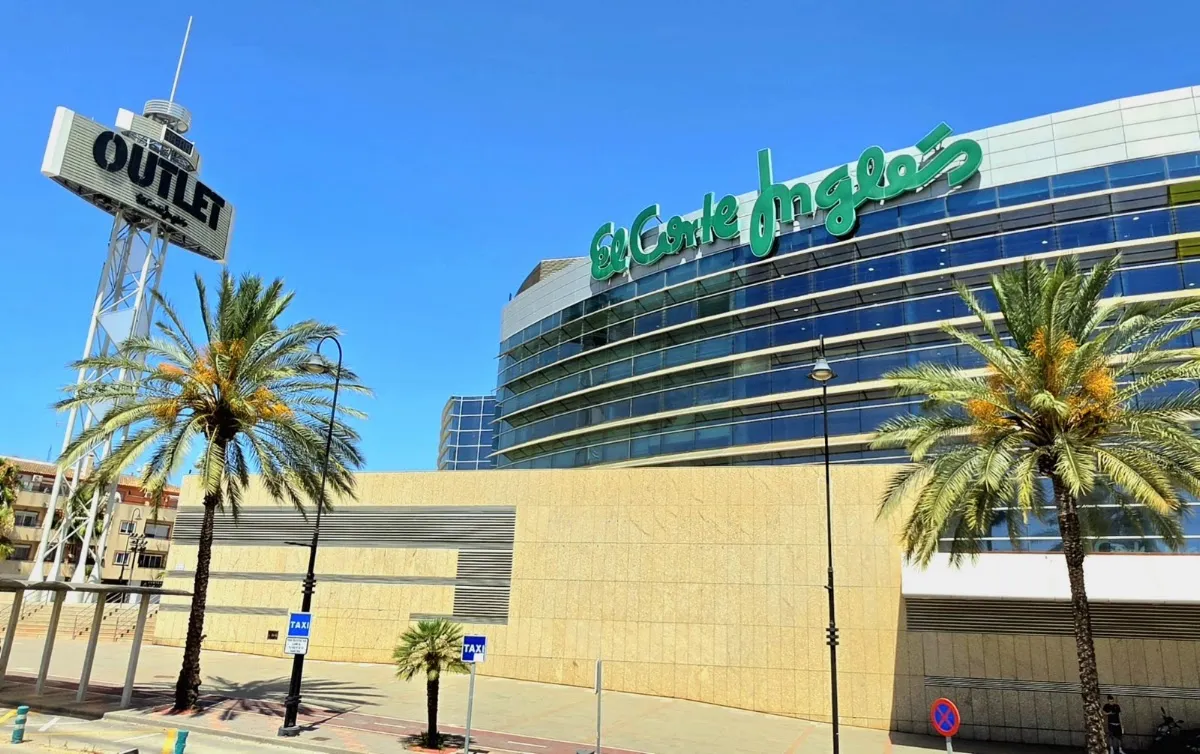
El Corte Inglés Costa Mijas
4.1(10.342)Mijas Costa · Closed Sun (except commercial)Department store and Hipercor food hall next to Fuengirola.
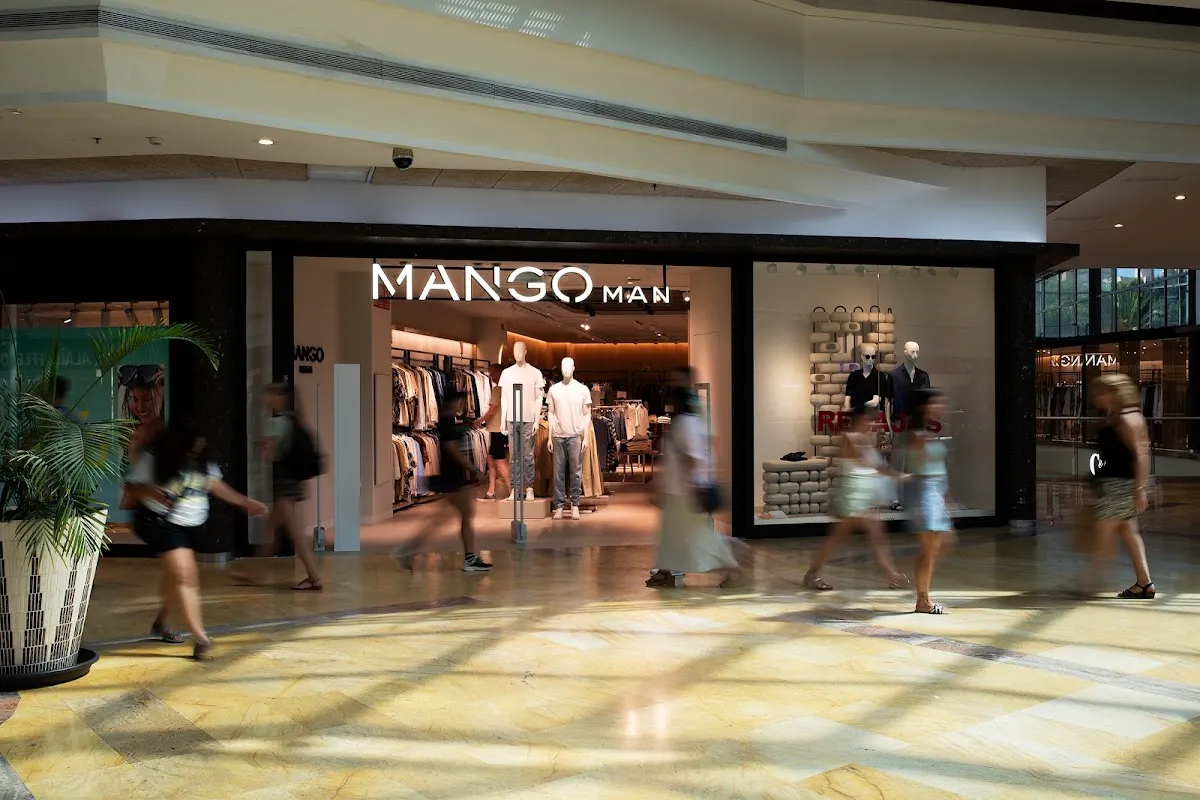
Centro Comercial Rosaleda
4.1(13.575)Málaga · Opens SundaysNorthern Málaga city, 120-plus shops and a cinema.
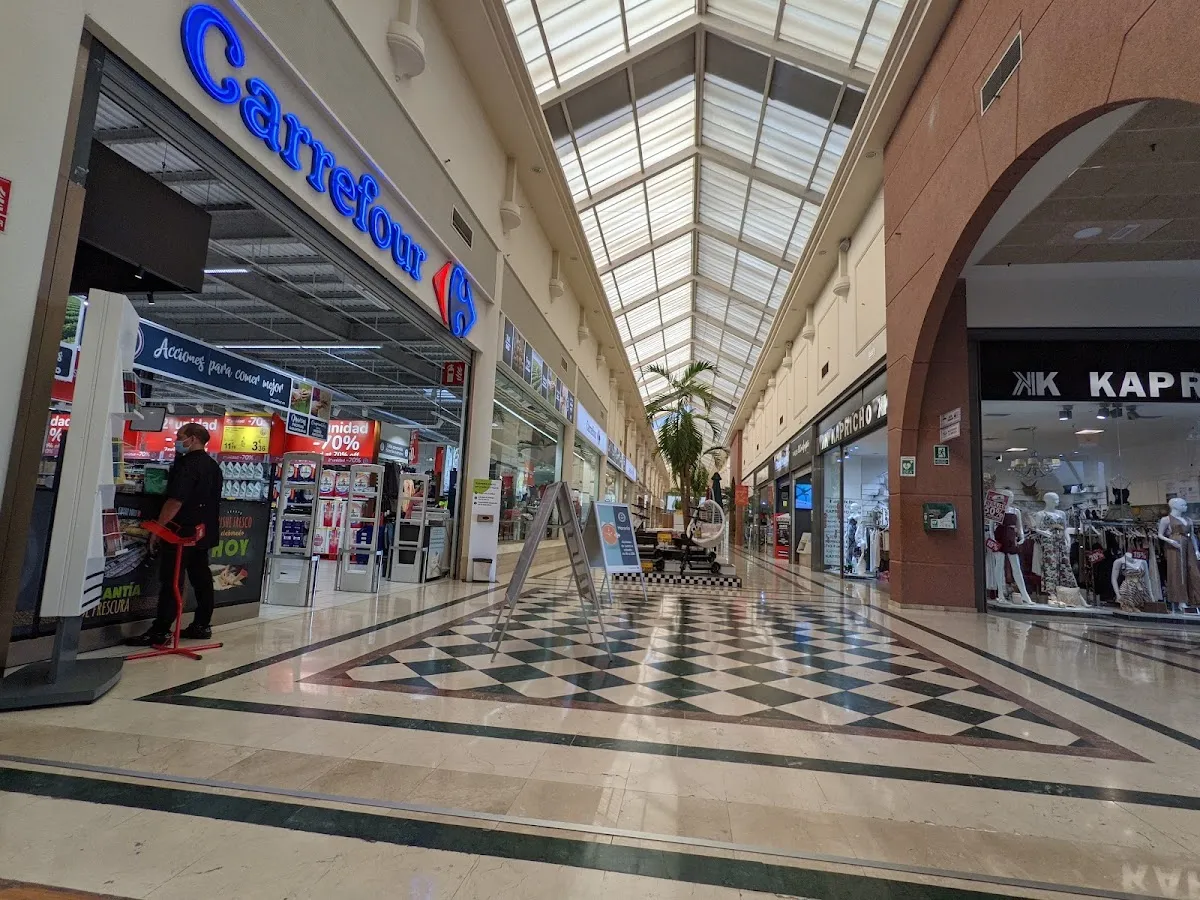
La Trocha
3.9(4.888)Coín (inland) · Open dailyInland mall in the Guadalhorce valley.
Photos and ratings via Google. Tap a card for its Google listing, hours and directions. Sunday opening varies by season, so confirm before you travel.
The markets, where the coast really shops
A mercado de abastos is the traditional covered food market, and it is still where locals buy the freshest food. Most open Monday to Saturday, roughly 8am to 3pm, and many now have tapas bars where you eat what the stalls sell. Alongside them, a different town holds an open-air street market almost every day of the week.
Mercado de San Pedro Alcántara
4.7(10)San Pedro de AlcántaraOld-town food market for fish, meat and fruit.
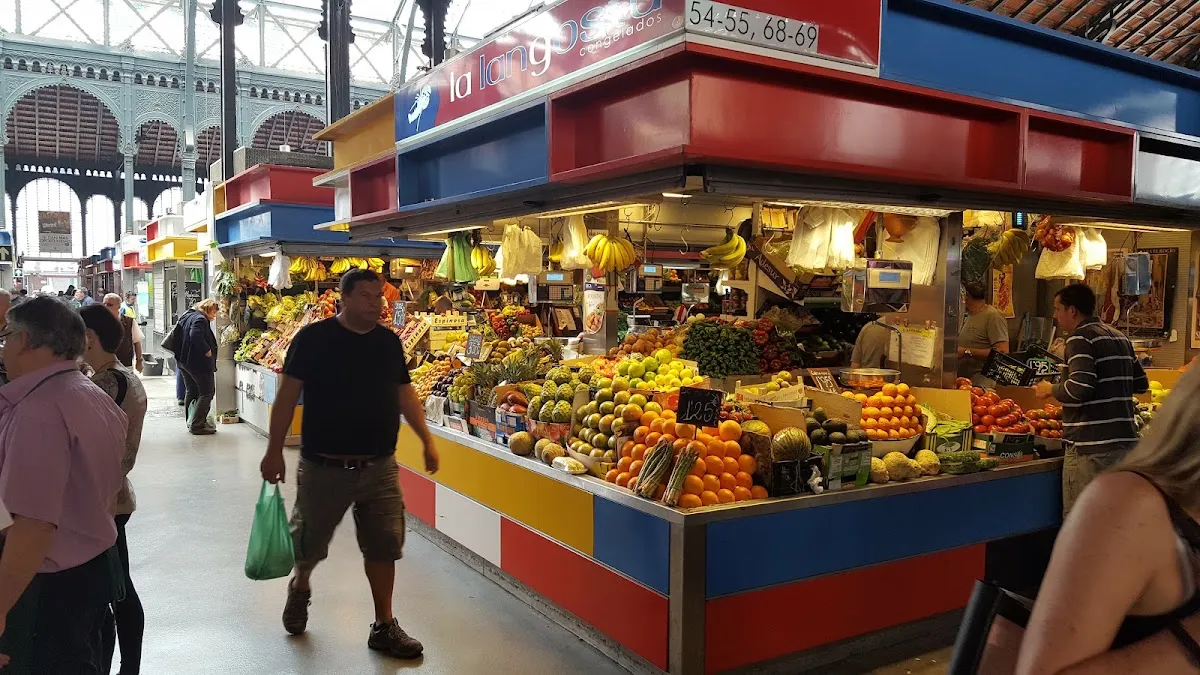
Mercado Central de Atarazanas
4.6(49.255)MálagaThe 19th-century iron market, fish, produce and market tapas bars.
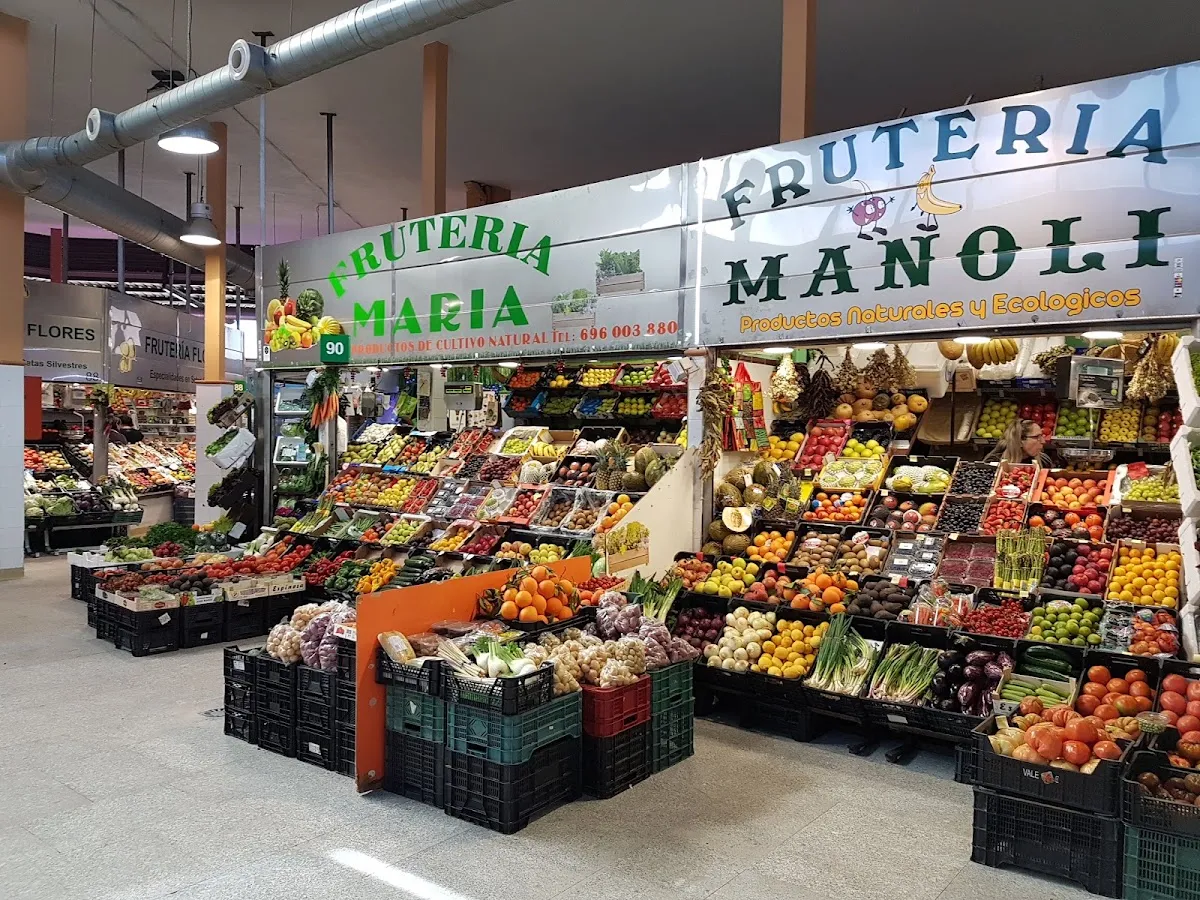
Mercado Municipal de Marbella
4.3(1.857)MarbellaOld-town food market for fresh fish, meat and produce.
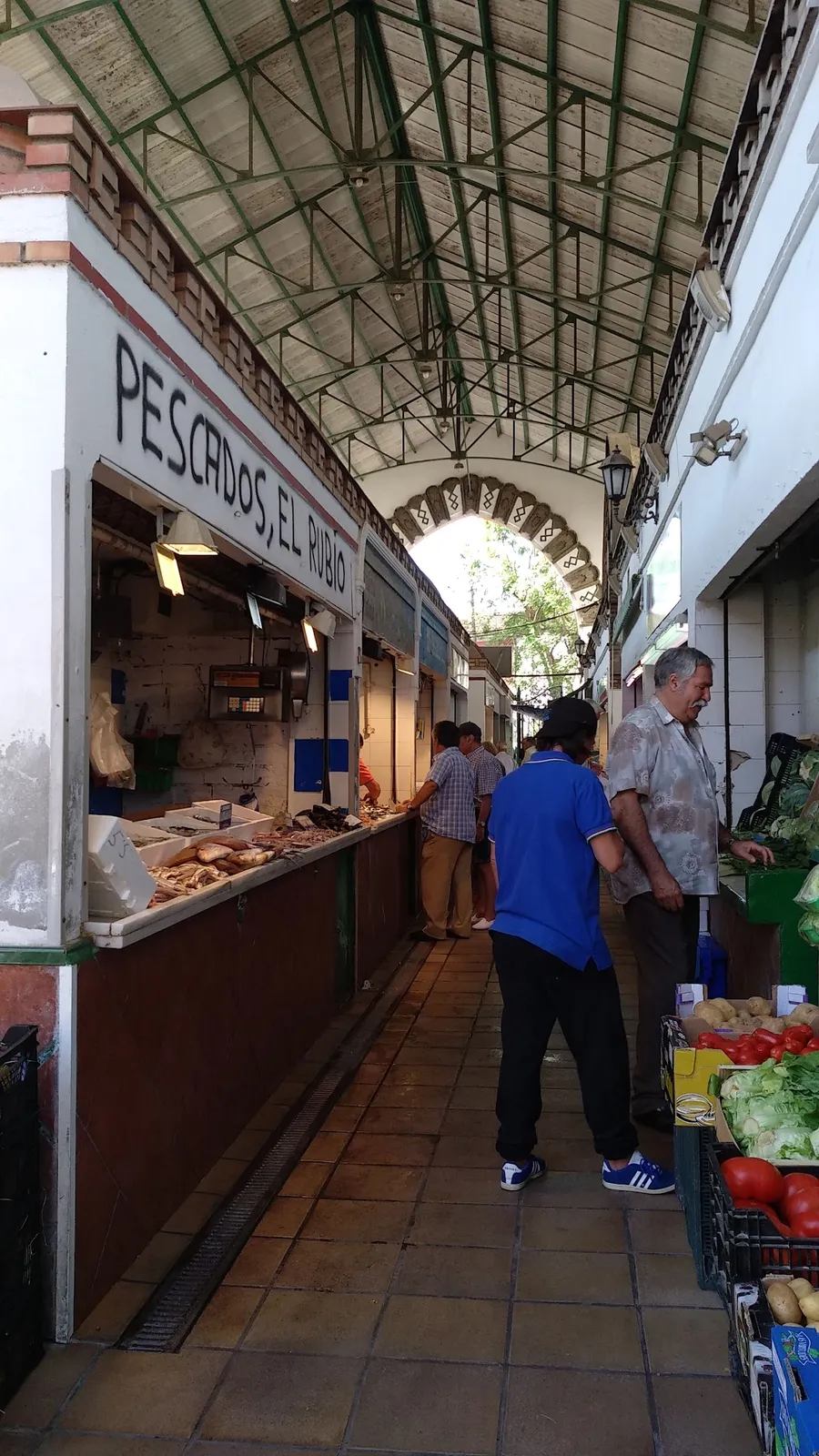
Mercado de Salamanca
4.2(2.374)MálagaA neo-Arab heritage hall in El Molinillo, quieter and local.
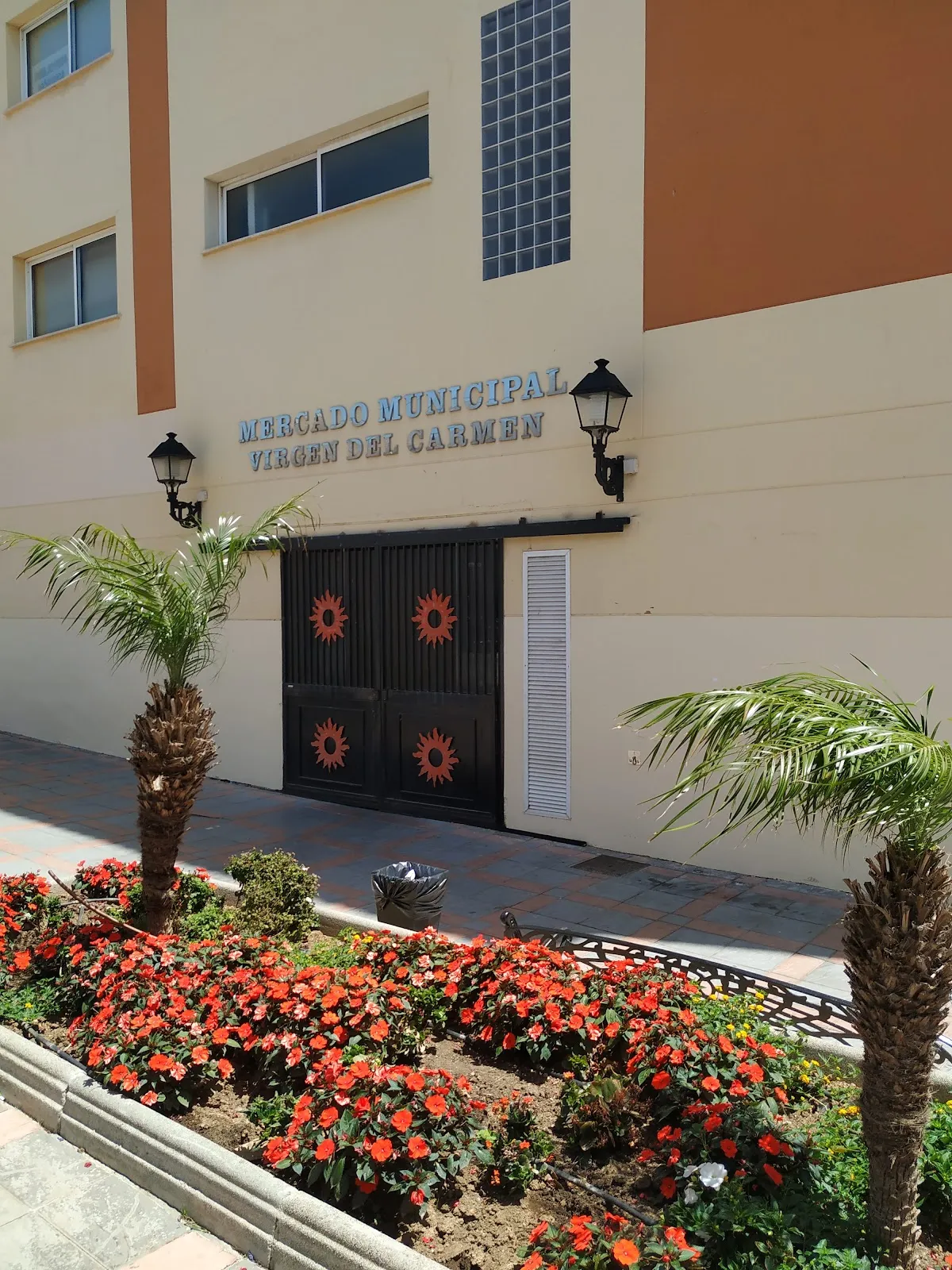
Mercado Municipal de Fuengirola
4.2(188)FuengirolaTown food market, fish, meat, fruit and bakery.
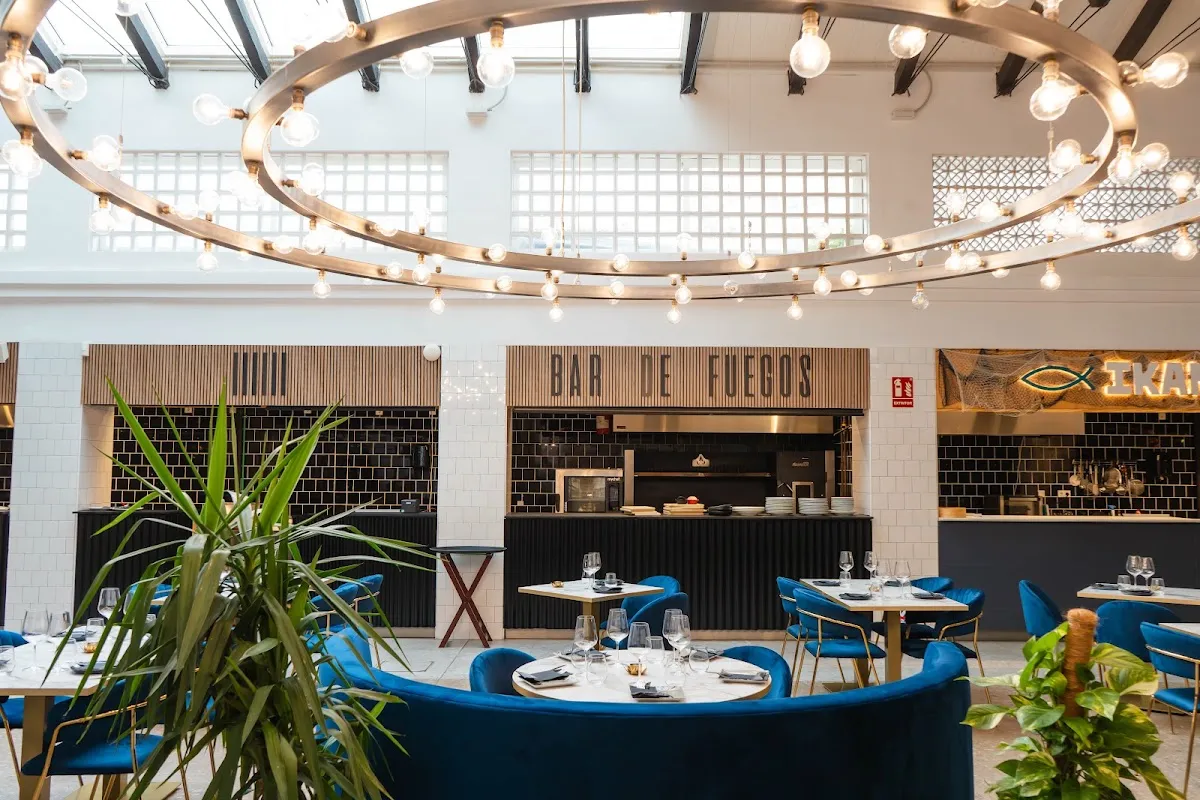
Mercado de Abastos de Estepona
4.2(178)EsteponaRenovated 2024 into a gastronomic food hall in the old town.
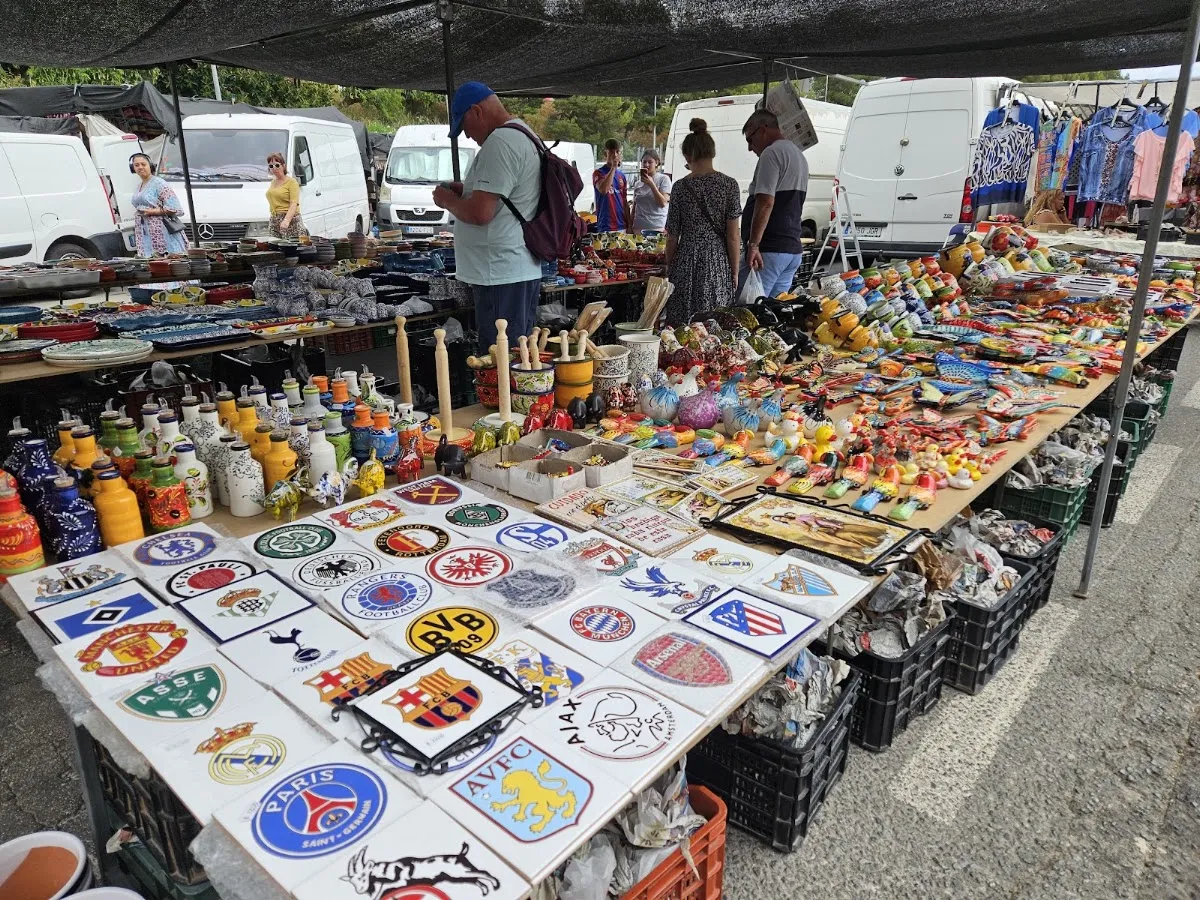
Mercado Municipal de Benalmádena
4.1(99)BenalmádenaTown food market for fresh fish, meat and produce.
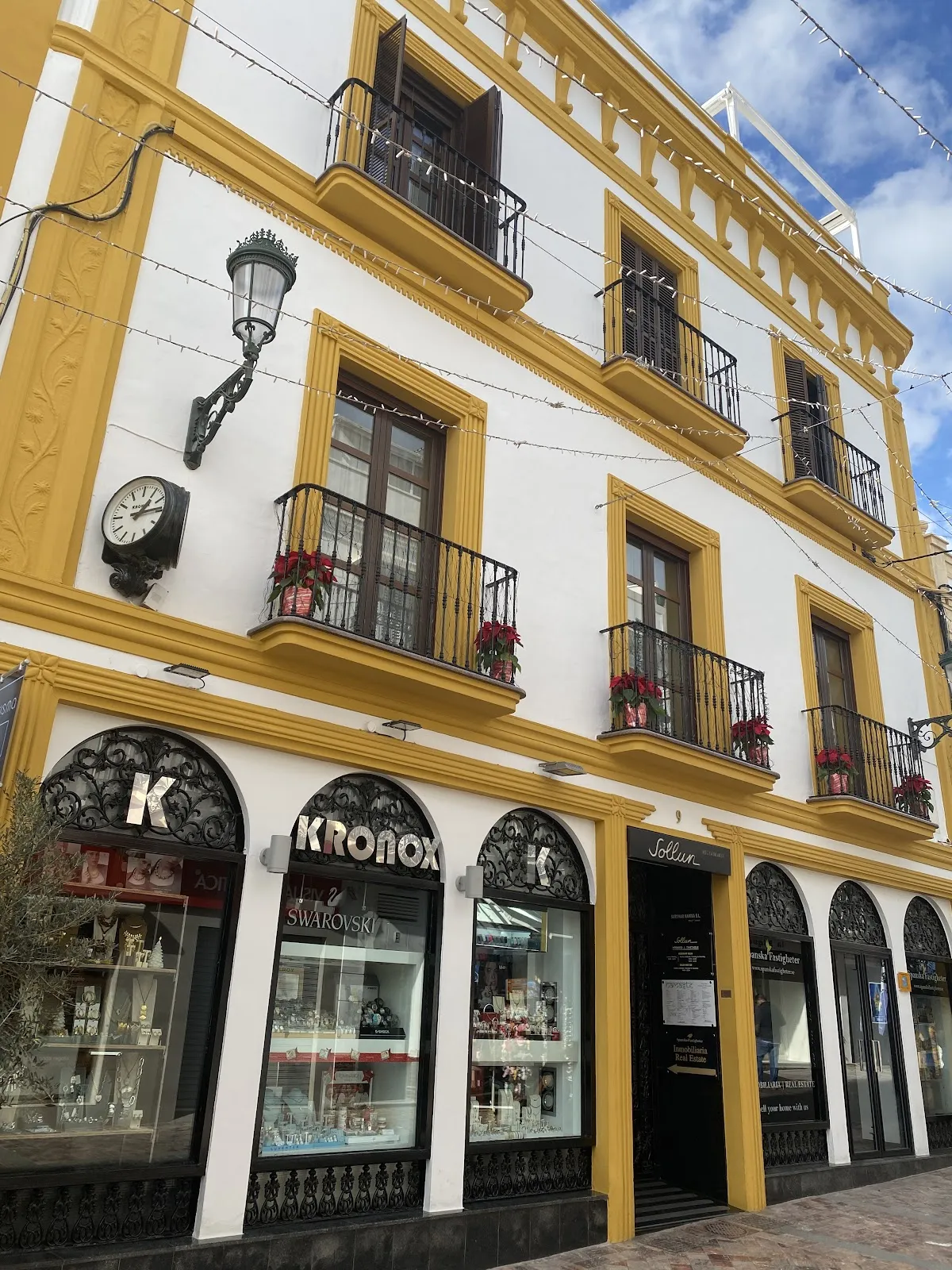
Mercado de Nerja
4.1(285)NerjaSmall municipal market, fresh fish and Axarquía produce.
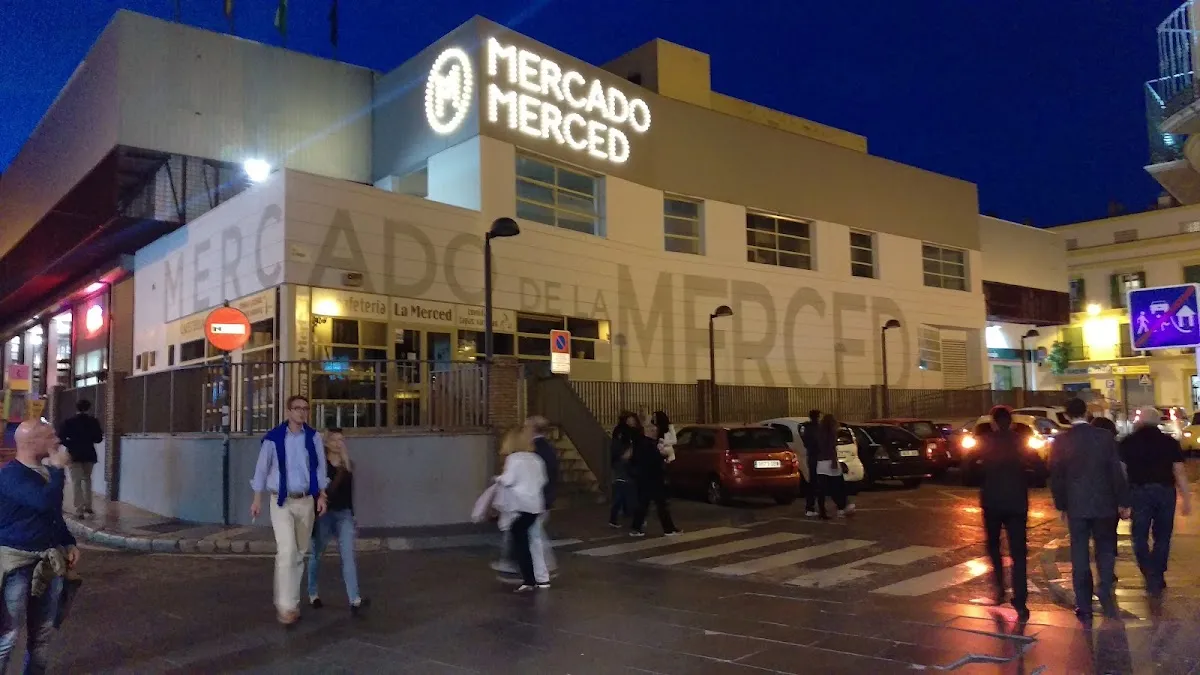
Mercado de la Merced
3.9(1.579)MálagaA gastro market by Plaza de la Merced, stalls and tapas.
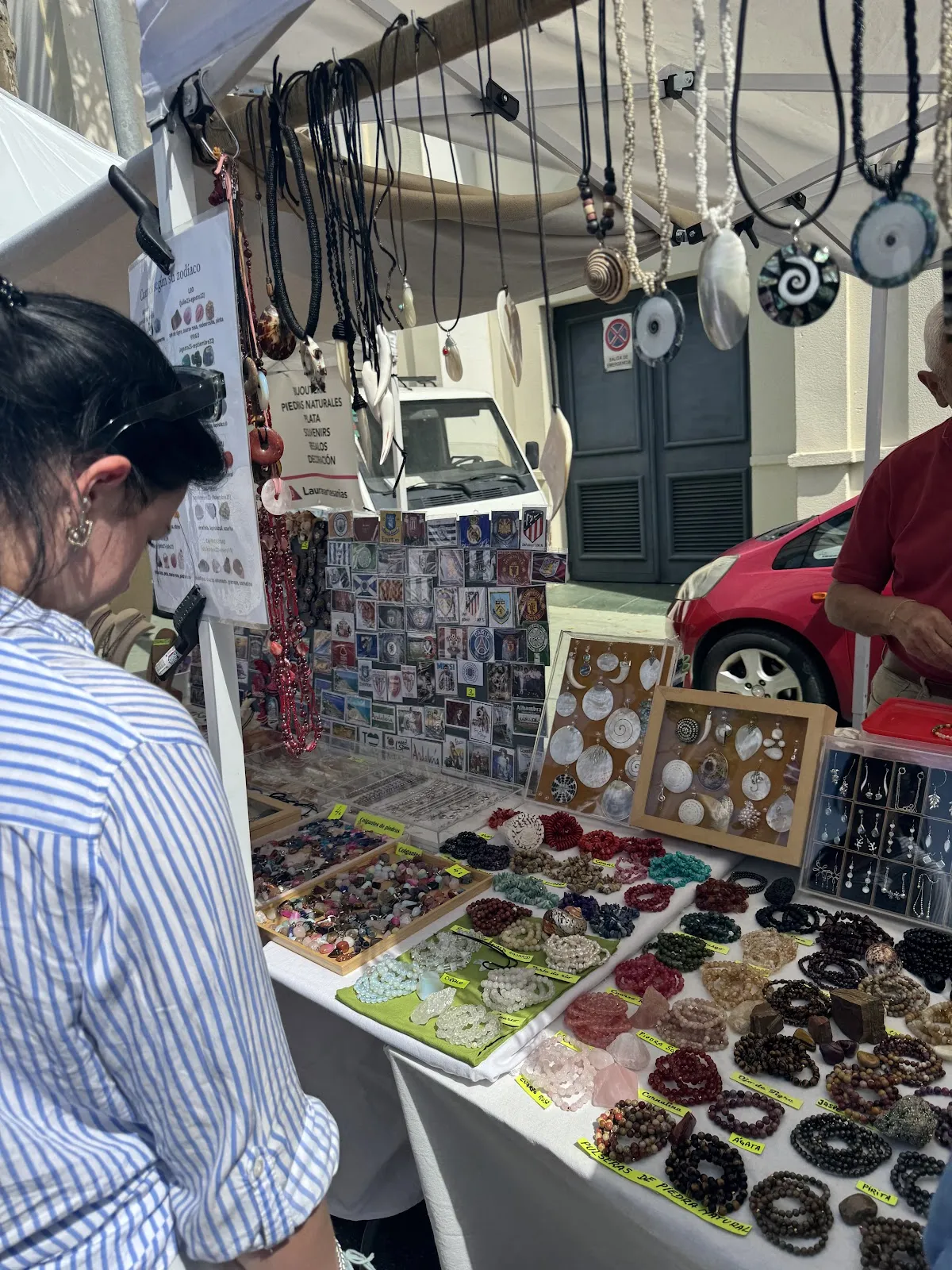
Mercado Municipal de Torremolinos
3.7(131)TorremolinosCentral food market near La Carihuela.
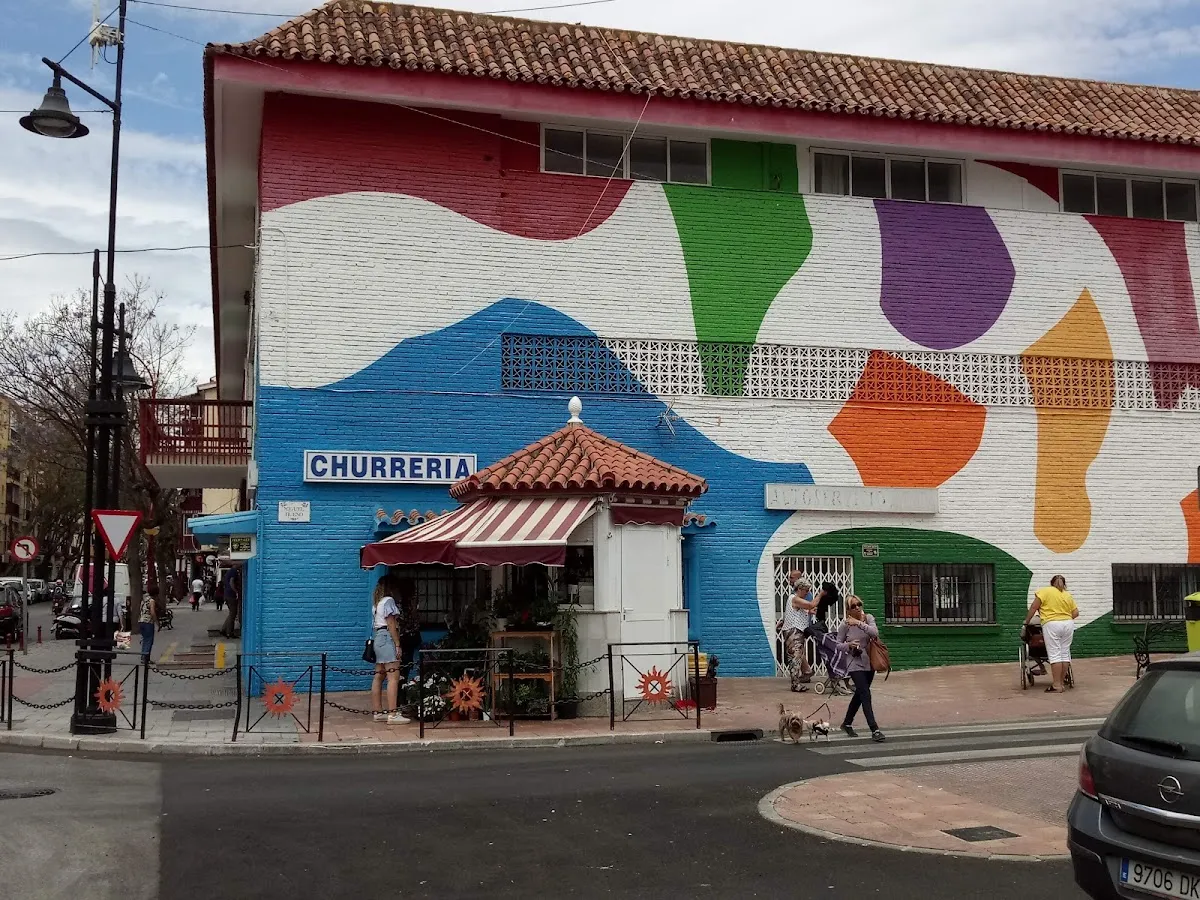
Mercado de Abastos de Fuengirola
3.7(520)FuengirolaCovered market, fish, fruit, meat and bakery stalls.
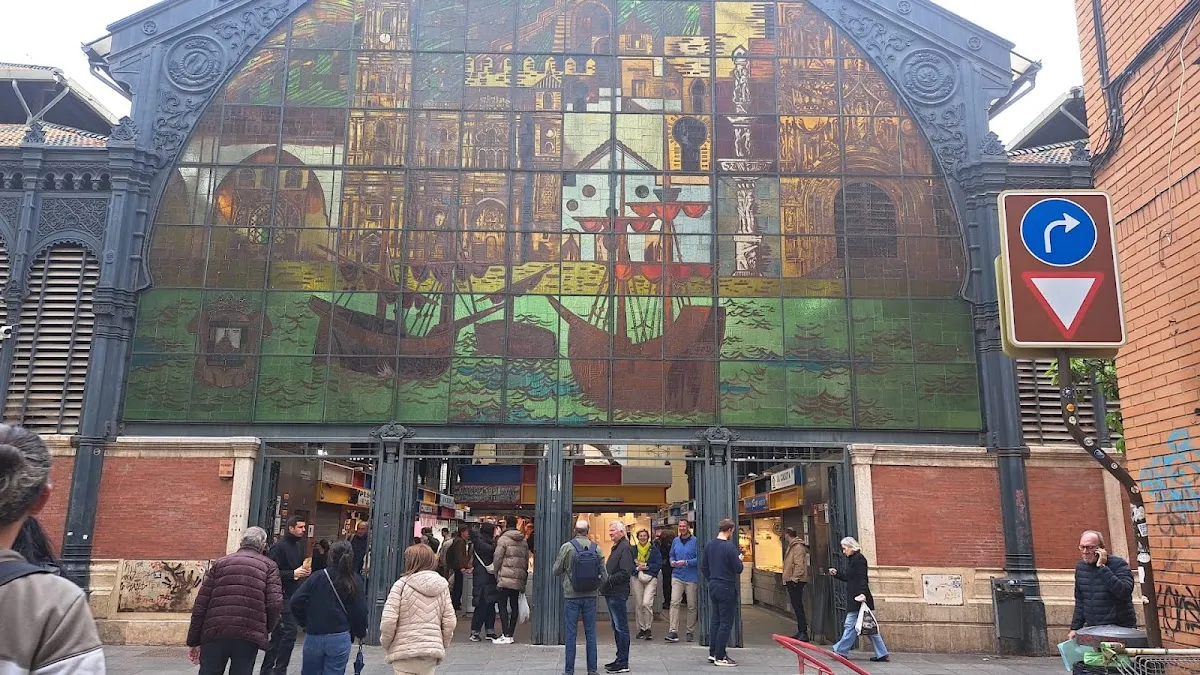
Mercado de Torre del Mar
3.6(648)Torre del MarAxarquía coast food market, strong on fish.
What you will find
Fish and seafood
The heart of every covered market is the fish hall: the morning catch from the local ports on ice, prawns, clams, sardines and whatever the boats landed.
Fruit and vegetables
Stalls of sun-grown produce, plus the Axarquía’s subtropical mangoes, avocados and custard apples, and Málaga’s muscatel grapes and raisins.
Farmers and organic
Smaller ecológico and farmers markets, often monthly, bring growers direct, in Marbella, Coín, Rincón de la Victoria and Málaga city.
Flea and artisan
Weekend rastros in Fuengirola and Nerja for antiques and bric-a-brac, and craft markets like Soho’s Made in Soho for local design.
The weekly street markets, by day
Most run roughly 9am to 2pm and sell clothes, leather, household goods and fresh produce. Days can shift for holidays, so confirm with the town hall.
The old-town shops and what to buy
Away from the chains, the whitewashed old towns keep their family businesses and artisans. This is where to find the real thing, and how to tell it from tourist tat.
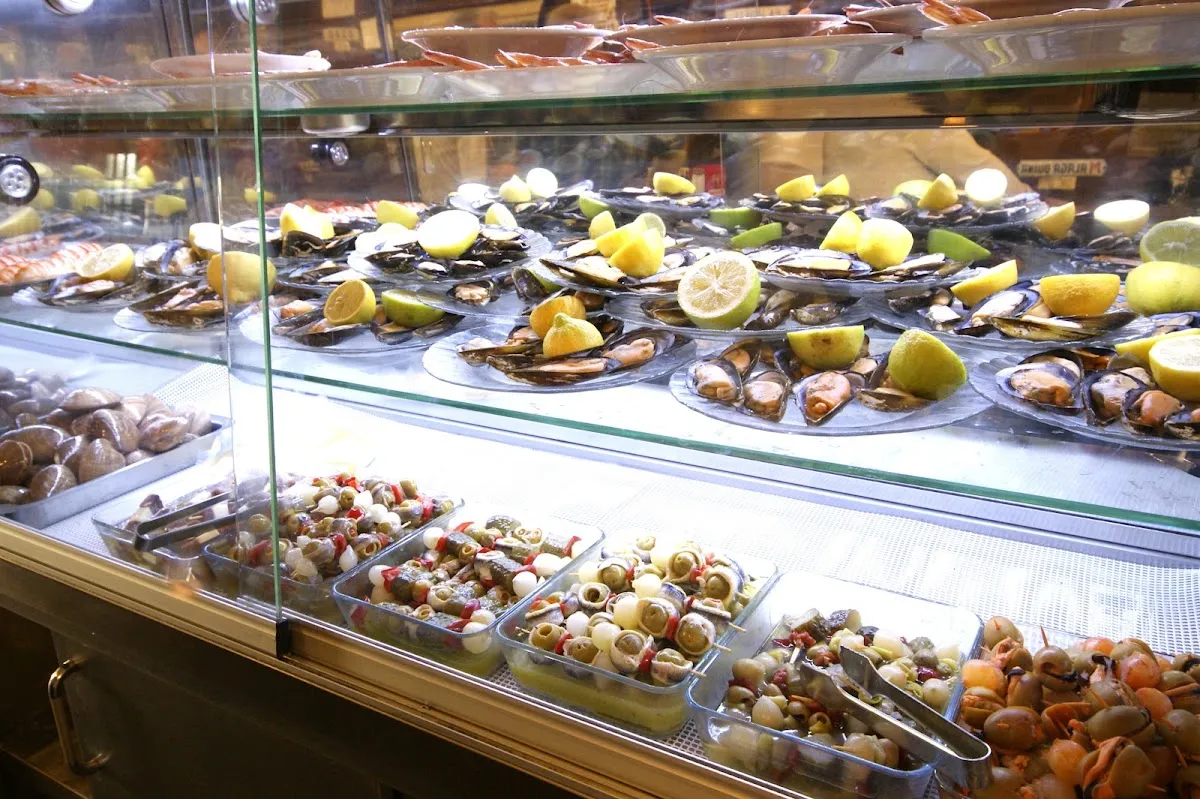
Antigua Casa de Guardia
4.6(10.887)MálagaMálaga’s oldest taberna (1840), sweet Málaga wine from the barrel to buy by the bottle.
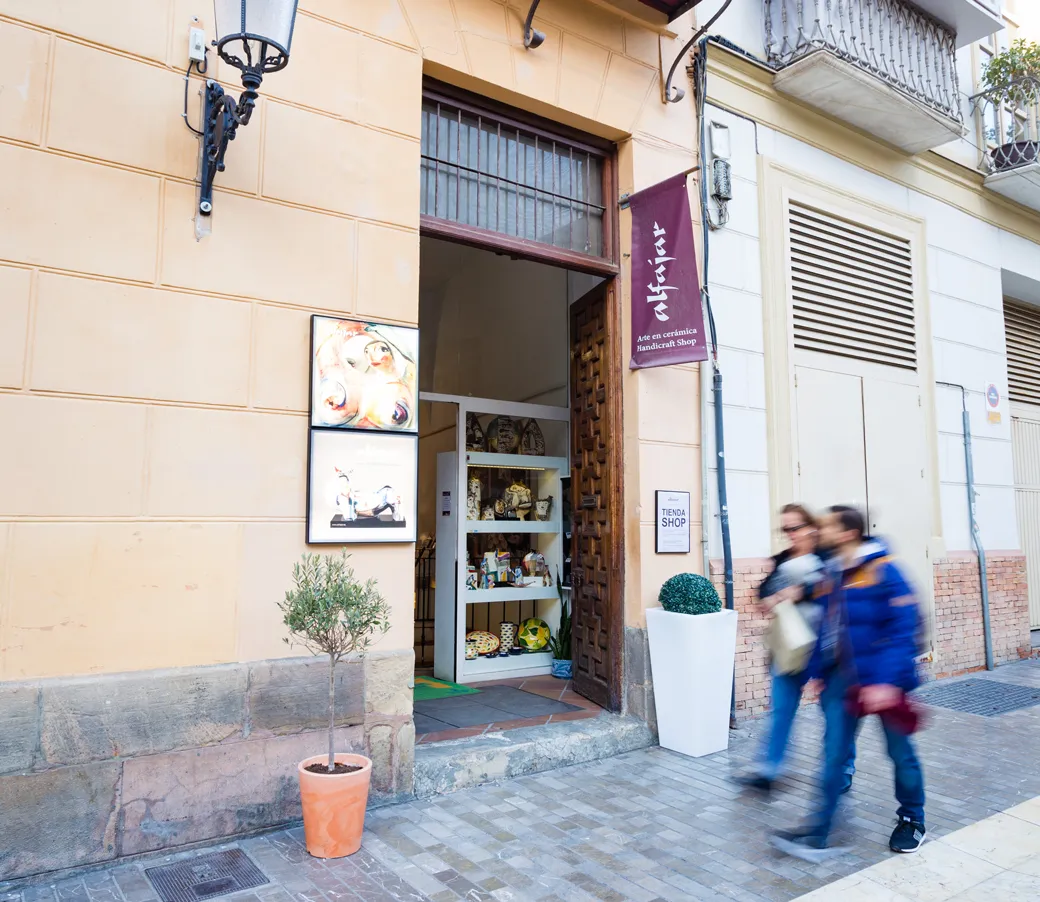
Alfajar
4.6(132)MálagaFamily ceramics workshop by the Cathedral, hand-made Málaga pottery.
Hand-painted Andalusian ceramics and tiles (look for a maker’s mark on the base)
Ubrique leather, from the town that makes bags for the big fashion houses
Esparto and wicker ware, and a proper wooden hand fan
DOP Antequera extra-virgin olive oil
Sweet Málaga wine and Moscatel, tasted from the barrel at Antigua Casa de Guardia
Pasas de Málaga raisins, almonds, and boxed local sweets from a historic bakery
Genuine ceramics carry a hand-painted maker’s mark; mass-produced tourist pieces are uniform and unmarked. For flamenco dresses and quality fans use specialist shops, not stalls, and edible DOP products (olive oil, wine, raisins) make the safest authentic gifts.
Supermarkets: which one for what
The chains all have a character. Here is the honest cheat sheet for a new resident.
Mercadona almost never opens on Sundays; Carrefour, Lidl and Aldi often do in tourist zones, and all the big chains deliver. Most large supermarkets trade straight through with no midday break.
Puerto Banús and El Corte Inglés
At the top end, Puerto Banús is southern Spain’s luxury-shopping capital: more than 100 designer flagships along the marina, often the biggest in the country.
El Corte Inglés, the practical luxury anchor
Spain’s department store, beside the marina and in Málaga city, is the easiest one-stop for visitors, and it looks after non-EU shoppers well:
A 10% tourist reward card for non-residents, activated on your first purchase.
Tax-free refund of up to about 15.7%, processed in-store rather than only at the airport.
Personal shopper: a styling and guided-shopping session, around €180 and refundable against a gift card.
Hands-free shopping, staff gather your purchases so you pay once at a single point.
Delivery to your hotel or home, and international shipping.
A multilingual international desk, and at the Marbella store a VIP concierge suite.
How shopping works here
Hours and the midday break
Small shops open around 10am, close roughly 1:30 to 5pm, then trade again to about 8:30pm. Malls, supermarkets and El Corte Inglés stay open straight through, roughly 10am to 10pm.
Sundays and August
Small shops close on Sundays, but malls and tourist-zone stores open on many Sundays and daily through summer. Some family shops shut for a week or two in August.
The sales (rebajas)
Two seasons: from early January and from the start of July, often running into February and late August. Each shop sets its own exact dates.
Tax-free and payment
Non-EU shoppers, now including the UK, reclaim VAT with a DIVA form validated at the airport. Cards and contactless work almost everywhere; keep some cash for the street markets.
Common questions about shopping here
When are the shops open?
Small shops open around 10am, close for a long midday break, then trade again to about 8:30pm. Malls, supermarkets and El Corte Ingles run straight through, roughly 10am to 10pm. Most small shops close on Sundays, but malls and tourist-zone stores open on many Sundays, especially in summer.
Can I shop tax-free?
Yes, if you live outside the EU, which now includes the UK. Ask for a tax-free (DIVA) form when you pay, then validate it at the airport kiosks before you fly. The net refund is usually around 12 to 16%.
When are the sales?
Spain has two main sale seasons, the rebajas: from early January and from the start of July. Exact dates vary by shop.
Where is the luxury shopping?
Puerto Banus in Marbella is the top end, with over 100 designer flagships along the marina, plus the Golden Mile hotels. El Corte Ingles beside the marina is the practical luxury anchor, with a personal-shopper and concierge service.
What should I buy that is actually local?
Hand-painted Andalusian ceramics, Ubrique leather, a good wooden fan, DOP Antequera olive oil, sweet Malaga wine and Pasas de Malaga raisins. Buy from artisan shops and markets, not the seafront souvenir racks.


Part of our complete Costa del Sol guide
Back to the Costa del Sol guide
Thinking about a property here?
We are free to use and independent. Tell us what you are looking for, and we will send honest options that fit, with no pressure.