
Community and Lifestyle on the Costa del Sol
Of everything the Costa del Sol offers, the thing people talk about most once they live here is how the days feel. The pace is slower, life happens outdoors, meals are long and late, and a strong sense of safety lets you relax. Around a fifth of the province is foreign, so international communities are well established and easy to join, while traditional Andalusian life, its fiestas, markets and family-run bars, carries on around you. This page covers how daily life really feels, who lives here and why, the culture and the calendar, how you build a social life, and an honest look at the harder parts. When you buy here, the community you choose matters as much as the property.


How life actually feels
Ask anyone who has moved here what changed, and it is rarely the property. It is the texture of the days.
A slower clock
The pace is genuinely gentler. "Mañana" is less about laziness than flexibility: plans shift, a coffee turns into lunch, and being ten minutes late socially is normal. Lunch is the big meal, around 2pm, and dinner rarely starts before 9pm.
Life lived outdoors
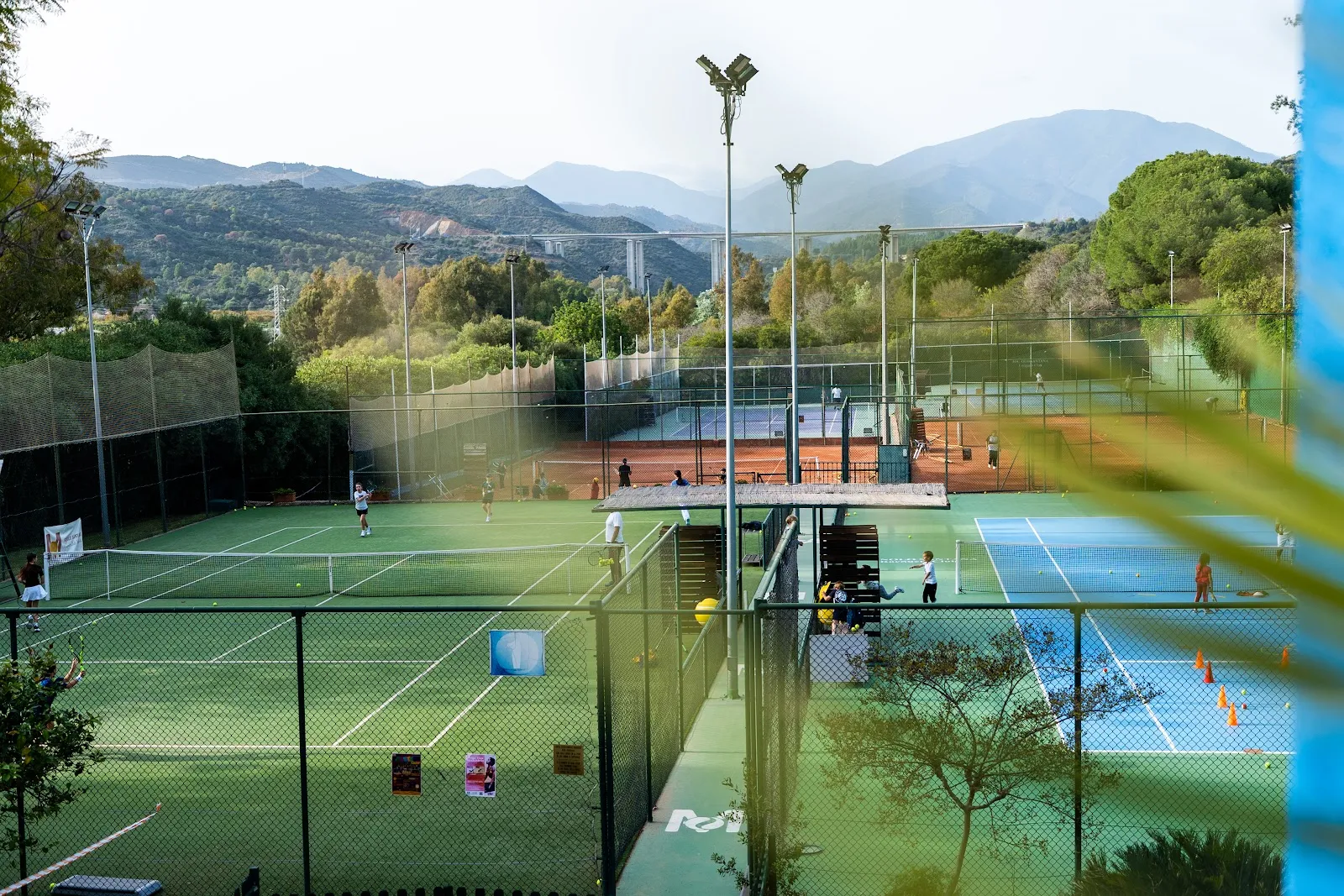
With more than 300 days of sun, being outside is the default, not a treat. The evening paseo fills the promenades, terraces stay busy year round, and walking, padel, golf and swimming are woven into ordinary days rather than scheduled.
A real sense of safety
Low violent crime and a relaxed street culture are among the most cited reasons people settle in. Walking alone at night feels normal and children get more everyday independence than in much of northern Europe. The real risk is petty theft, not danger.
The honeymoon, then home
Be honest with yourself about the arc. The first months feel like a holiday, then daily friction (admin, language, a quiet winter) sets in, and it becomes home somewhere in the second year. Treat year one as a transition, not a verdict.

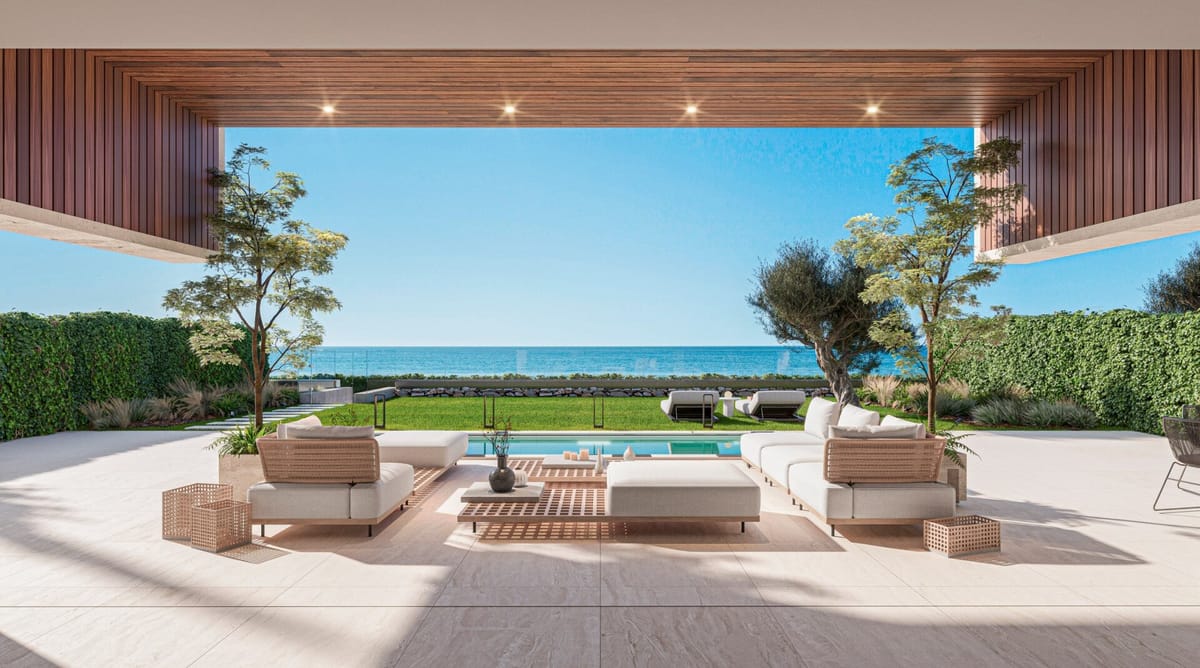
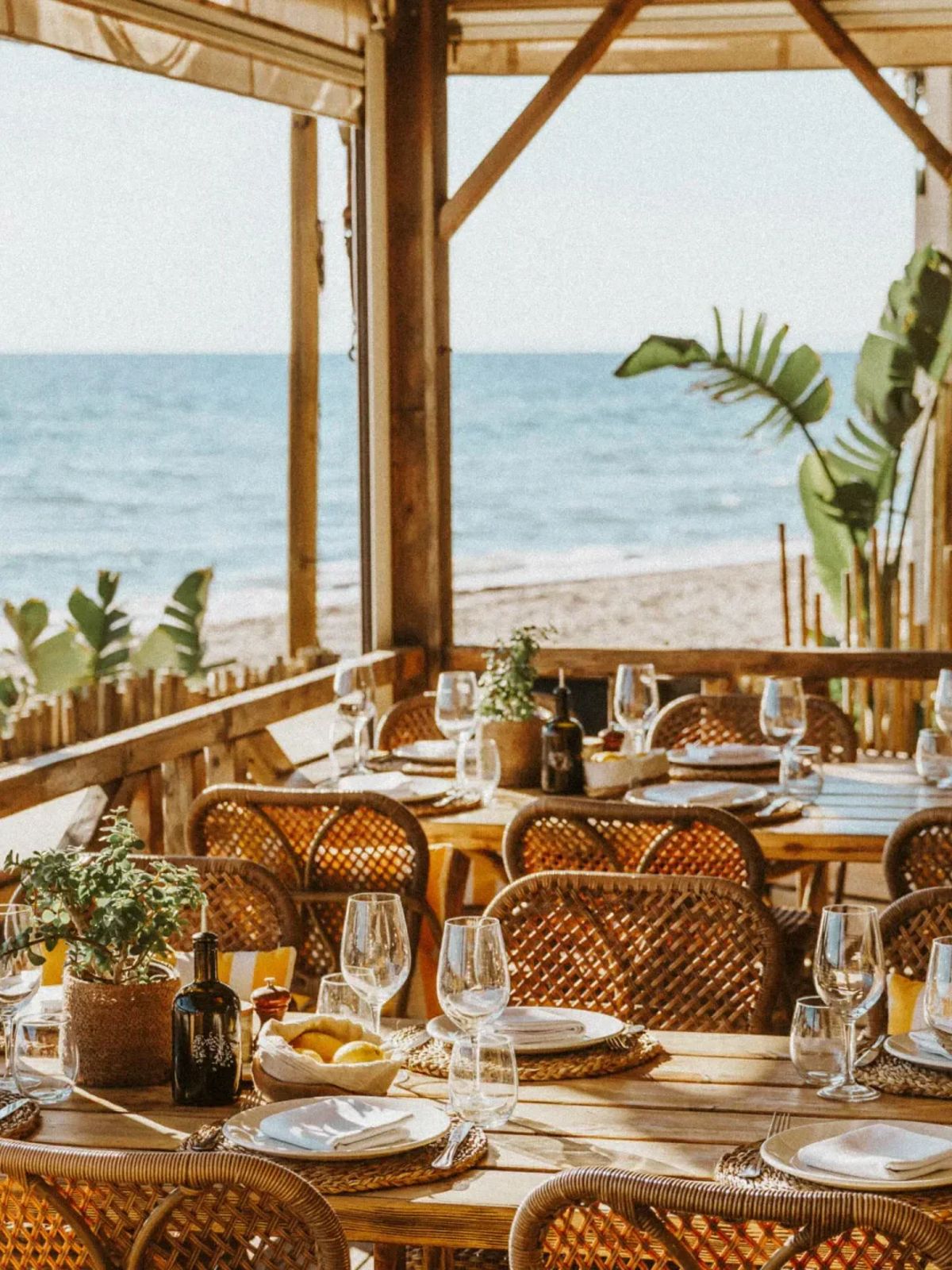
The sea in front, the mountains behind, and most of the year lived outdoors. That is the part people fall for.
A day, the Spanish way
The clock sits later than newcomers expect, and it is built around food and company. This is the shape of an ordinary day.
Three seasons, three moods
The coast is not a resort that shuts down, but daily life does change with the calendar. Knowing which town suits which season is the key to not being disappointed.
Hot, social and very busy. Life runs late, beaches and restaurants fill, and traffic builds. Many long-term residents love it or escape it. Expect 30°C-plus and book everything ahead.
Roughly 22 to 27°C, warm enough for the beach and terraces without the crowds or the heat. Most residents agree these are the finest months on the coast.
Mild and quiet, 16 to 19°C by day. The big year-round towns keep humming, but tourist-dependent spots go sleepy and some venues close. Old houses can feel cold inside. Choosing the right town matters most here.
Who lives here
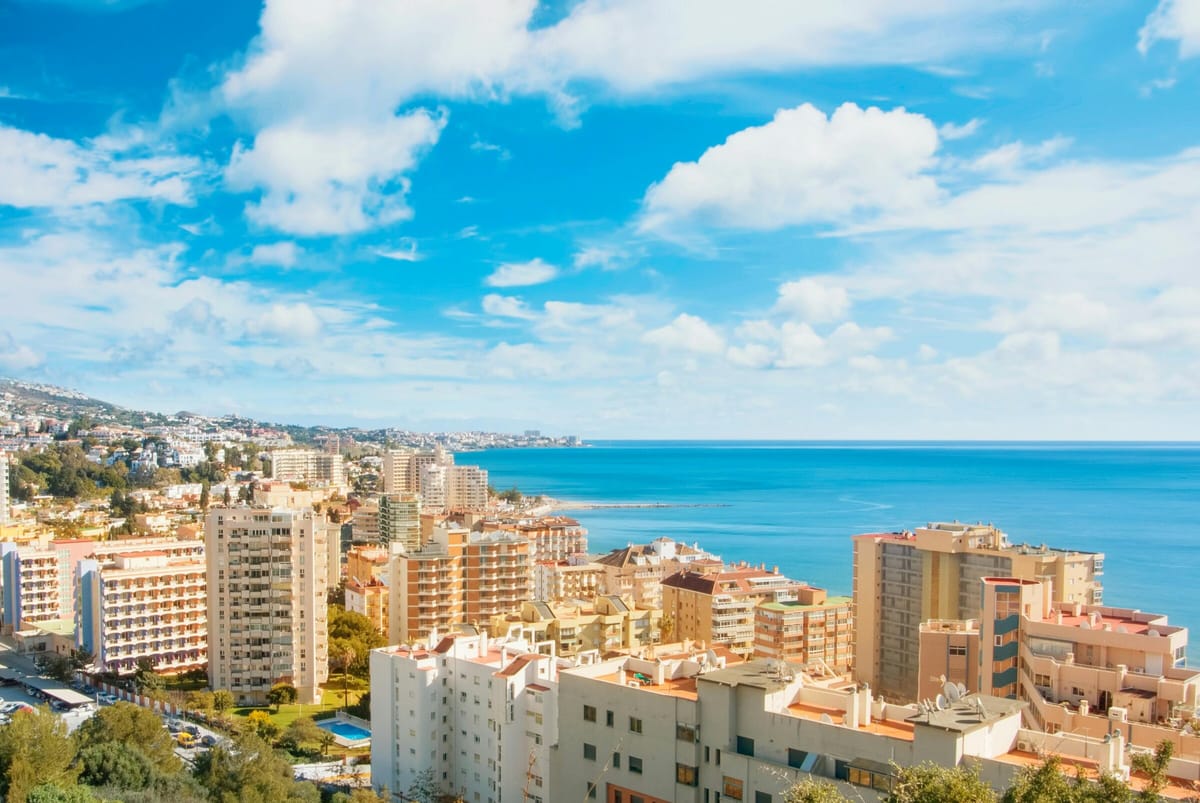
Around a fifth of Málaga province is foreign, and among newcomers the share is far higher. The mix is broadening from a retirement coast to a younger, more international one, and each community has its own corner of the coast.
British
The largest single foreign group, spread across Mijas, Fuengirola, Marbella and Nerja
ExploreScandinavian & Finnish
Fuengirola and Los Boliches ("Little Finland"), plus Nueva Andalucía ("Little Stockholm")
Explore
Gulf & international wealth
Marbella’s Golden Mile, Sierra Blanca, Puerto Banús and La Zagaleta, peaking in summer
Explore
Latin American
Málaga city and the working coastal towns, now the fastest-growing group
ExploreMoroccan
Málaga city and inland towns, the largest and longest-settled non-European community
Explore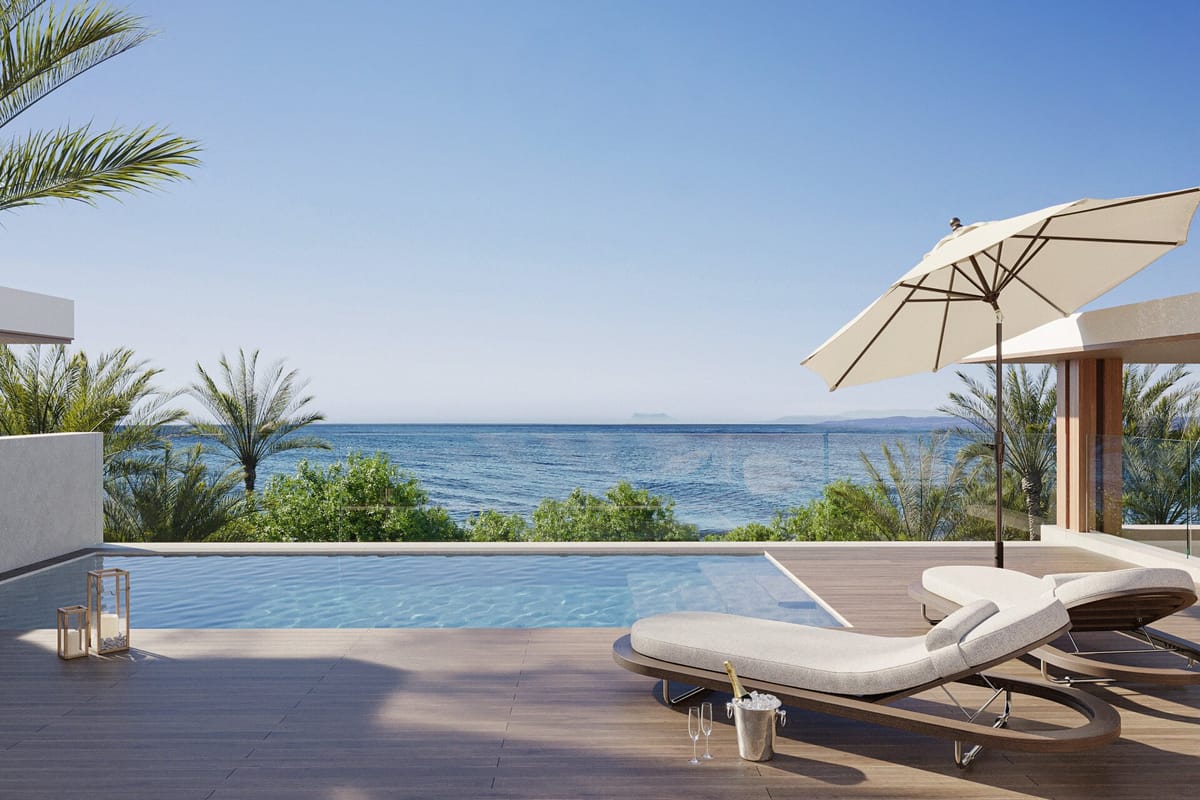
Younger remote workers
Málaga city and Estepona, drawn by the digital nomad visa and the tech scene
ExploreThe upside of this is a soft landing: shops, schools, doctors and clubs in your own language. The catch is the "expat bubble", it is easy to stay inside it and never really meet Spain. The people who settle deepest tend to learn the language and join local, not just international, life.
Building a life, and friends
The coast has a social infrastructure built over fifty years, so a social life is easy to start. Friendship is quick to begin and slower to deepen, so the advice is always the same: join something early.
Clubs and associations, from the British Association and Costa Women to U3A, bridge and Rotary
Sport as the great connector: padel above all, plus golf societies, hiking groups, sailing and parkrun
Faith communities (Anglican, Nordic and international churches) that double as social and welfare hubs
Charity and volunteering, from the Cudeca hospice to animal shelters and Age Concern, a fast route to purpose and friends
The honest side: the community is transient, people come and go, and winters are quieter, so belonging takes real effort rather than turning up. Choosing a walkable, year-round town over an isolated hillside villa makes a bigger difference to your social life than almost anything else.
The traditions that shape the year
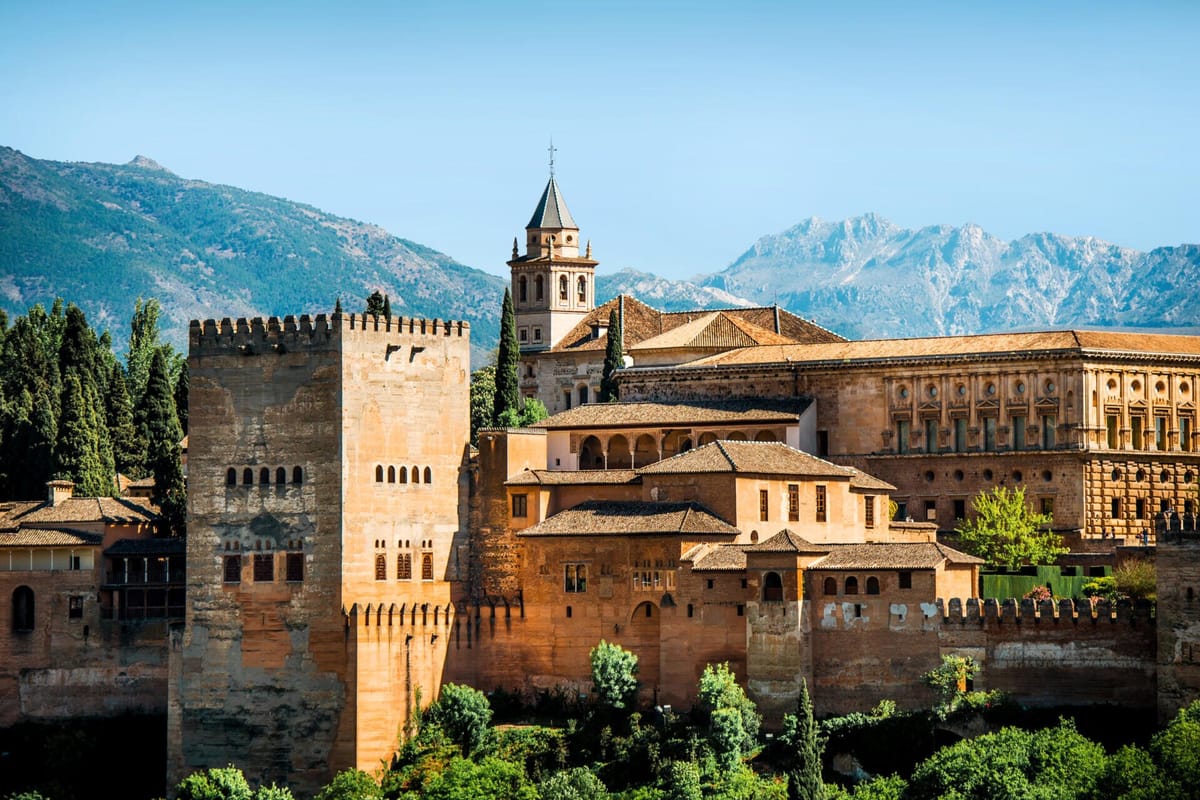
Andalusian life is warm, family-centred and lived in public. A dense calendar of fiestas, most of them free and open to all, gives the year its rhythm, and joining in is the surest way to feel part of a place.
Food is the other daily ritual: the espeto of sardines grilled over coals on the beach, long Sunday family lunches, and the sobremesa, lingering at the table in conversation long after the plates are cleared. None of it is rushed, and that is rather the point.
Language and family
Language
You can run daily life on the coast in English, and English-speaking doctors, lawyers and services are everywhere. But Spanish is what opens real integration, and you need it for officialdom and tradespeople. The local Andalusian accent is fast and drops sounds, so even good textbook Spanish takes adjusting. Children pick it up far quicker than adults.
Family life
The coast is unusually child-friendly: children are welcome everywhere and late, life is outdoors and safe, and there is a deep choice of activities and international schools. Kids adapt fast and become bilingual within a year or two. The honest catch is distance from grandparents, and that friends do move away.
What people find hard
A holiday and a life are not the same thing. These are the real frustrations residents name, worth knowing before you commit, not after.
Bureaucracy
The NIE, the padrón, appointments (cita previa) that vanish instantly, and a reliance on a gestor for admin. It is the near-universal frustration, and it never quite goes away.
The two seasons
A resort town in February is not the same place as in July. Some areas empty out and venues close in winter, while summer brings heat, crowds and higher prices. Buy for the winter, not the holiday.
The expat bubble
It is easy to live here for years inside an English-speaking world and never truly integrate. Language is the ceiling: comfortable short-term, limiting long-term.
Cost and housing
The "cheap Spain" idea has faded. Rents and prices have risen sharply, tourist lets have squeezed locals, and there is real local resentment in the hotspots. It is still good value against northern Europe, but less than it was.
The expectation gap
The most common reason relocations fail is confusing a two-week holiday with a life. The sun stays, but so do admin, distance from family and quiet winters. Those who plan for it settle; those who do not often move home.
Where to live for which life
Each town has a distinct feel, and the community you choose matters as much as the property. A guide to matching a lifestyle to a place.
Málaga City
ExploreMarbella
Explore
Sotogrande
Explore
Benahavís
ExploreEstepona
ExploreFuengirola
ExploreMijas
ExploreNerja
ExploreEvery side of life here
Lifestyle is the sum of the parts. Explore each one in depth.



Common questions about lifestyle and community
What is daily life actually like?
Slower and more outdoor than most of northern Europe. Life happens on terraces, promenades and beaches, meals run late (lunch around 2pm, dinner from 9pm), and a strong sense of safety lets people relax. The first year is an adjustment, but most residents say they feel healthier and less stressed.
How easy is it to make friends and fit in?
Very easy to start. Clubs, sport (padel especially), churches and charities give newcomers a ready-made social life, and the international communities are welcoming. Genuine friendships take longer, often a couple of years, partly because so many people are themselves transient.
Do I need to speak Spanish?
On the coast you can run daily life in English, and English-speaking doctors, lawyers and services are everywhere. But Spanish is the ceiling on real integration, and you need it for bureaucracy, tradespeople and getting beneath the surface. The local Andalusian accent is fast and drops sounds, so expect a learning curve.
Is it a good place for families?
Yes. It is very child-friendly and safe, children are welcome everywhere and live much of life outdoors, and they pick up Spanish quickly. The honest catch is distance from grandparents and the fact that friends, both children's and parents', do move away.
What do people find hard?
The main frustrations are Spanish bureaucracy, quiet winters versus crowded, hot summers, staying stuck in an expat bubble, rising costs and housing pressure, and the gap between a two-week holiday and daily life. People who plan for these settle far better than those who do not.
Part of our complete Costa del Sol guide
Back to the Costa del Sol guide
Thinking about a property here?
We are free to use and independent. Tell us what you are looking for, and we will send honest options that fit, with no pressure.