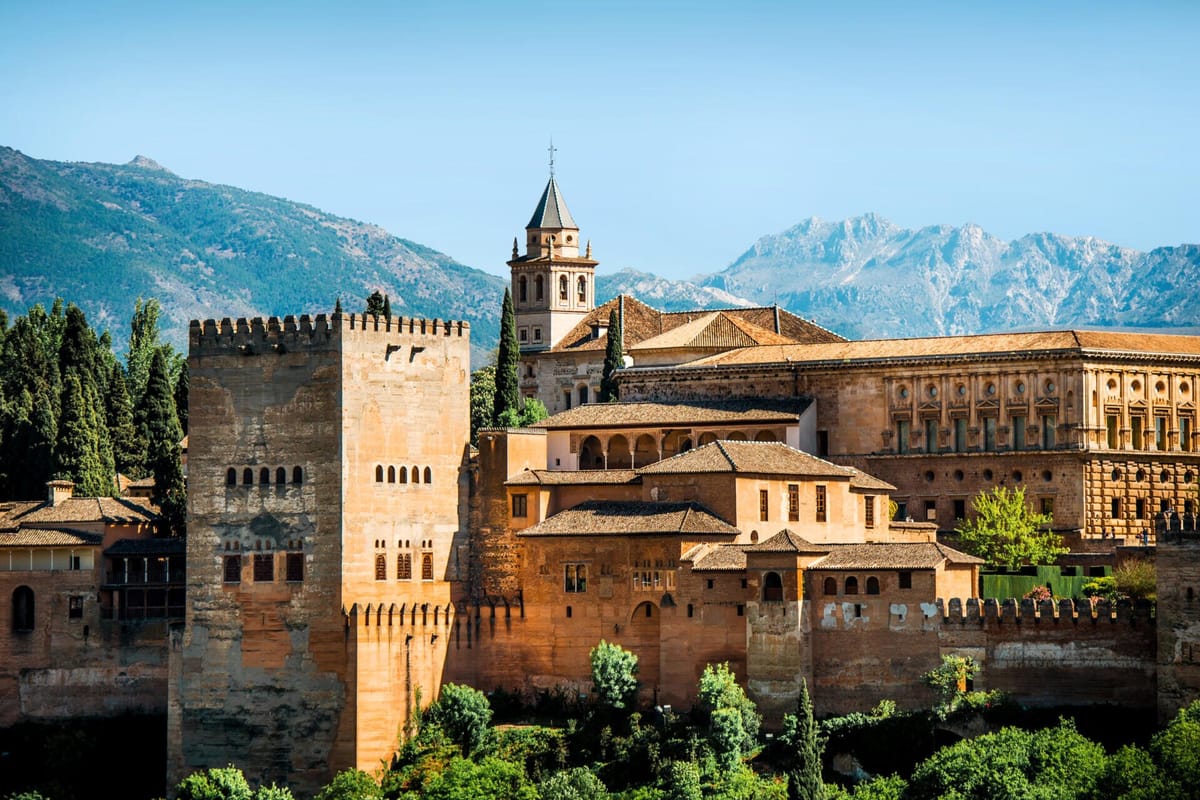
Costa del Sol Culture and History: Things to Do
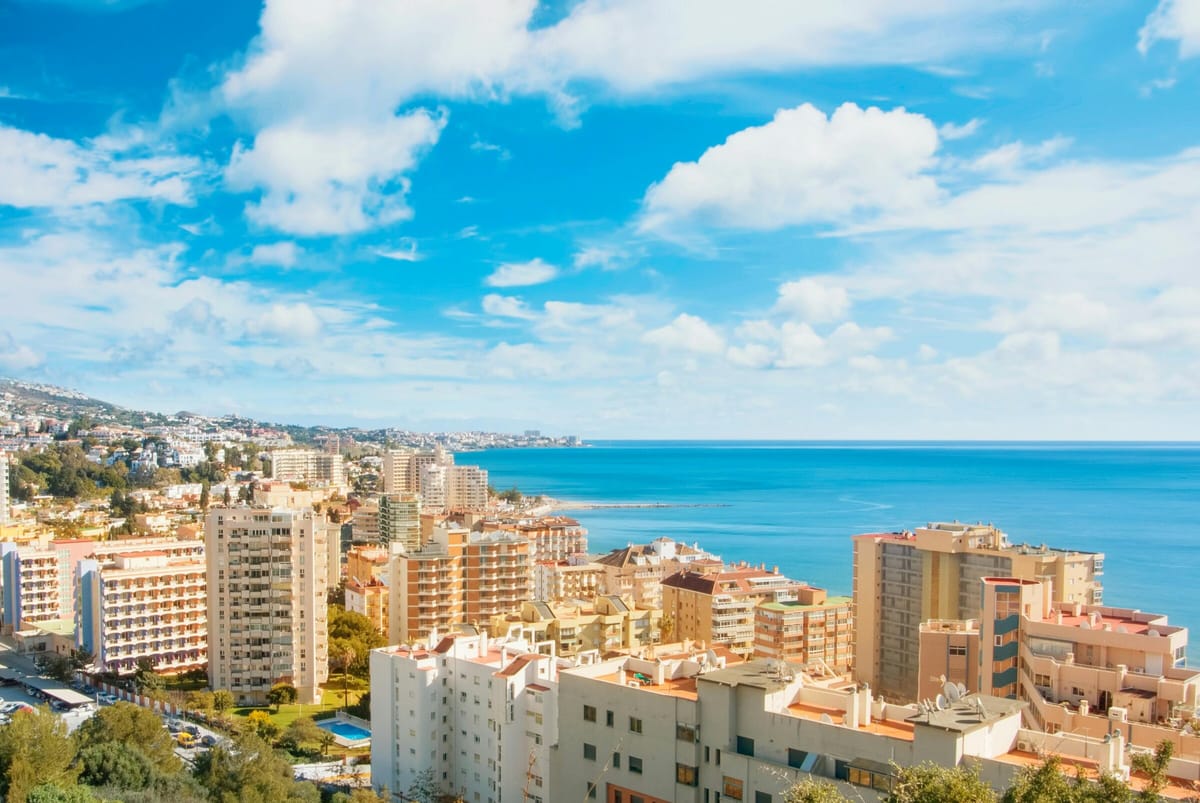
The Costa del Sol is more than beaches. The coast holds over 2.000 years of history, from Roman ruins to Moorish forts. Malaga city has grown into one of Spain's best museum cities, with the Picasso Museum and a branch of the Centre Pompidou. Inland, the town of Ronda and the white villages keep older traditions alive. This page shows you where the real culture sits and what to see. It also explains what this means if you plan to buy property here.


These four places give you the clearest view of the region's history. Each one is easy to reach for a day trip.
Malaga Old Town
Malaga is the cultural heart of the coast. See the Picasso Museum and the house where he was born in 1881. Visit the Carmen Thyssen and the Centre Pompidou. Climb the Alcazaba, a Moorish fort, and see the Roman theatre below it. The Renaissance cathedral is known as La Manquita because one tower was never finished.

Ronda
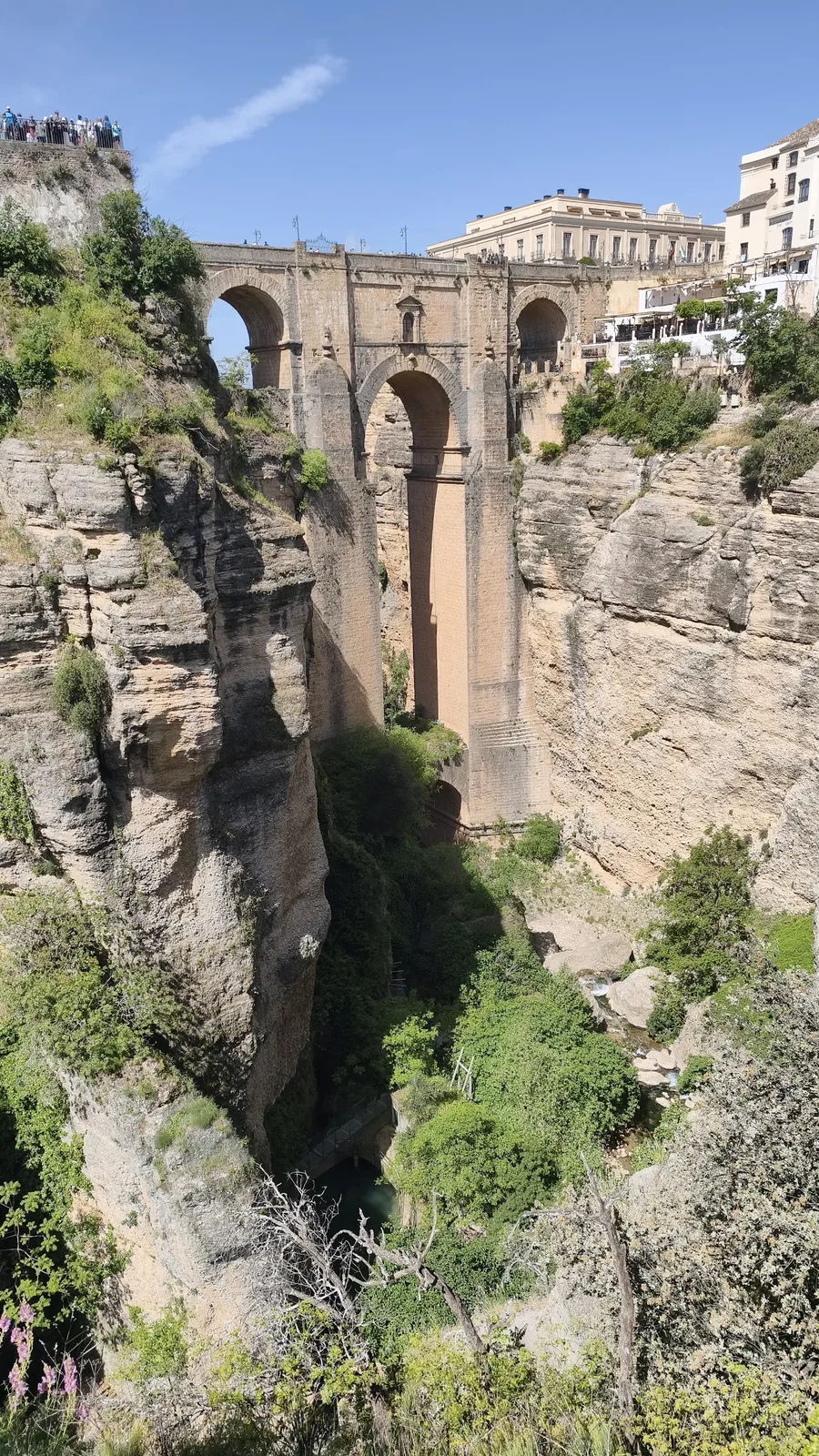
Ronda sits on a cliff split by a deep gorge. The Puente Nuevo bridge crosses it and stands about 98 metres high. The town also holds one of the oldest bullrings in Spain, built in 1785. The drive up from the coast takes around 90 minutes and passes through mountain scenery.
Nerja Caves
The Cueva de Nerja is a large cave system with high chambers and rock formations. It holds prehistoric paintings that are among the oldest known in the world. Nearby is the Balcon de Europa, a viewpoint over the sea in Nerja town. Both are easy to combine in one visit.
Frigiliana
Frigiliana is often called the prettiest white village in Malaga province. Narrow lanes, whitewashed walls, and tiled steps fill the old Moorish quarter. It sits in the hills a short drive above Nerja. In late August the village holds a festival of the three cultures, marking its Moorish, Christian, and Jewish past.
Days out from the coast
A museum day in Malaga
The Picasso Museum, the Pompidou and the Alcazaba, all in one walkable old town.

Ronda and the bridge
Drive up to the cliff-top town for the Puente Nuevo and one of Spain’s oldest bullrings.

A white village wander
Explore Frigiliana or Casares, with whitewashed lanes and mountain views.
The Nerja Caves
See prehistoric chambers and paintings, then the Balcon de Europa viewpoint in town.
The oldest culture is inland, in the white villages. Here are five worth a day each, with what to see in each one.
Mijas Pueblo
A white village on a hillside above Fuengirola. The old streets are easy to walk and the views reach the coast. It is close to the beach towns, so it gets busy with tour groups.
MijasOld quarter, donkey taxis, hillside chapels, sea views
Casares
Casares climbs a hillside inland from Estepona. It was built high up to hide from pirates. The castle ruins at the top give wide views over the valley.
CasaresMoorish castle ruins, steep white lanes, mountain setting
Comares
Comares sits high in the Axarquia hills behind Velez-Malaga. It is one of the highest villages in the area. A marked ceramic path leads you through the historic streets.
MalagaHilltop old town, Moorish walls, ceramic footpath route
Ronda
Ronda is the largest of the inland towns. Beyond the famous bridge and bullring, it has old wine cellars and quiet plazas. Plan a full day to see it well.
MalagaPuente Nuevo, bullring, gorge views, wine cellars
Frigiliana
The old Moorish part of Frigiliana is a maze of white lanes. Small shops sell local honey and wine. It is one of the best preserved villages on the coast.
NerjaMoorish quarter, artisan shops, honey and wine, festival
What this means for property buyers
Culture affects where people want to live and rent. Old-town and village property has a different appeal from modern coastal blocks.

Old-town apartment
A property in a historic centre such as Malaga, Estepona, or Nerja. You are close to museums, bars, and daily life. Buildings are older, so check the condition and access before you buy.

White-village house
A character property in a village like Mijas, Frigiliana, or Casares. These have local charm and lower prices than the coast. Roads are narrow and parking can be hard.
Restored townhouse
An older townhouse that has been updated inside while keeping its historic front. You get character with modern comfort. These sell fast and cost more than a project to renovate.
Coastal apartment near culture
A modern property on the coast within easy reach of Malaga's museums and inland towns. You get new-build comfort and quick access to culture by car. This suits buyers who want both.
Be honest about the coast. Some towns that market themselves as cultural are modern and built for tourists. The real history is in Malaga city, Ronda, and the white villages inland. If culture matters to you, look there first, then decide how far from it you want to live.
Explore culture by area
Getting around
Most cultural sites are inland or in Malaga city. A car makes visits far easier. Malaga itself is walkable and has good train and bus links.
Best time to visit
Spring and autumn are best for towns and villages. Summer is very hot inland, so start early and rest in the afternoon. Museums stay cool all year.
Tickets and access
Malaga's main museums sell tickets online, and some offer free entry on set days or times. The Nerja Caves and Ronda bullring charge a fixed fee. Book ahead in peak months.

Culture and rental demand
Culture supports year-round rental demand, not just summer. Malaga city draws visitors for its museums and festivals in every season. Property in the old town or near a station rents well to short stays and city breaks. Village houses appeal to a smaller market but can do well with the right listing. If you buy to rent, check the local licence rules first, as some areas now limit new tourist permits.
Where buyers look first
Common questions
Where is the best culture and history on the Costa del Sol?
Malaga city has the most museums and monuments, including the Picasso Museum, the Alcazaba, and the Roman theatre. Ronda and the white villages inland hold older traditions. The beach towns have less real history.
Was Picasso really born in Malaga?
Yes. Pablo Picasso was born in Malaga in 1881. You can visit both his birthplace and the Picasso Museum, which sit close together in the old town.
What are the white villages?
They are small inland towns with whitewashed houses, dating from Moorish times. Mijas, Frigiliana, Casares, and Comares are well known. They sit in the hills behind the coast.
What festivals are worth seeing?
Semana Santa, the Easter week processions, is the biggest event. Each town also holds a summer feria, and Malaga's is one of the largest. The Malaga Film Festival runs in spring and focuses on Spanish cinema. Flamenco shows run year-round in Malaga and Ronda.
Can I reach the cultural sites without a car?
Malaga city is easy on foot and by public transport. For Ronda, the Nerja Caves, and the white villages, a car is much easier, though some tours and buses do run from the coast.

Part of our complete Costa del Sol guide
Back to the Costa del Sol guide
Thinking about a property here?
We are free to use and independent. Tell us what you are looking for, and we will send honest options that fit, with no pressure.