
Nightlife on the Costa del Sol
The Costa del Sol has two nights running at once. One is glossy and expensive: the Puerto Banus megaclubs, the champagne beach clubs and the strict doors of Marbella, busy from May to October. The other runs all year and costs a fraction as much: the bar-led, tapas-and-rooftop scene of Malaga city, the family resorts of Fuengirola and Benalmadena, and the quiet old-town squares of Estepona and Nerja. This guide covers both, with real venues, honest prices and how the season changes everything.
Seven scenes, one coast
Each town has its own mood, crowd and price point after dark. Here is the honest character of each, so you know where a night out fits you.
Marbella & Puerto Banús
Glossy, VIP, dress to impressThe most glamorous and most expensive nightlife on the coast. The Banús marina is the luxury epicentre of megaclubs, superyachts and strict doors; Marbella old town, around Plaza de los Naranjos, is cheaper, calmer and more Spanish, for tapas and a drink.
Málaga city
Young, local, bar-led, all yearThe most authentic night out and the best value. A walkable, bar-led city built on tapas, wine bodegas, craft cocktails and rooftops, with a young creative crowd. The historic centre and the Soho quarter carry it every night of the year.
Torremolinos
Resort scene and a famous gay quarterTwo scenes in one town: a long-established mainstream resort nightlife around Plaza Costa del Sol, and one of Spain’s most important LGBTQ+ destinations, tightly packed into the bars, terraces and drag shows of La Nogalera.
Benalmádena
Marina glamour and the Sol y Mar stripA busy mid-market resort with two moods: the smarter cocktail and dance bars of the award-winning Puerto Marina, and the louder, cheaper strip around Plaza Sol y Mar in Benalmádena Costa. Casino Torrequebrada is here too.
Fuengirola
Expat pubs, all ages, budgetBroad, mainstream and British-flavoured, with venues clustered near the centre so you can bar-hop on foot. English-themed pubs with live sport and cover bands sit alongside straightforward discos. Moderate to cheap, and every age.
Estepona
Quiet old town, later portThe calmest and most pueblo of the resort towns. Intimate cocktail bars around Calle Real in the whitewashed old town for the early evening, then a louder cluster of music bars and small clubs down at the marina, open until dawn in summer.
Nerja
One lively squareThe most laid-back town here, east of Málaga. Nightlife gathers in a single square, Plaza Tutti Frutti, ringed with pubs, cocktail bars and a couple of late discos, with quieter terraces around the Balcón de Europa nearby.
The nightclubs
From the Puerto Banús megaclubs and the palace venues of the Golden Mile to Málaga’s historic-centre clubs. Ranked here by their Google rating. Table minimums and hours shift by night and season, so confirm before you go.
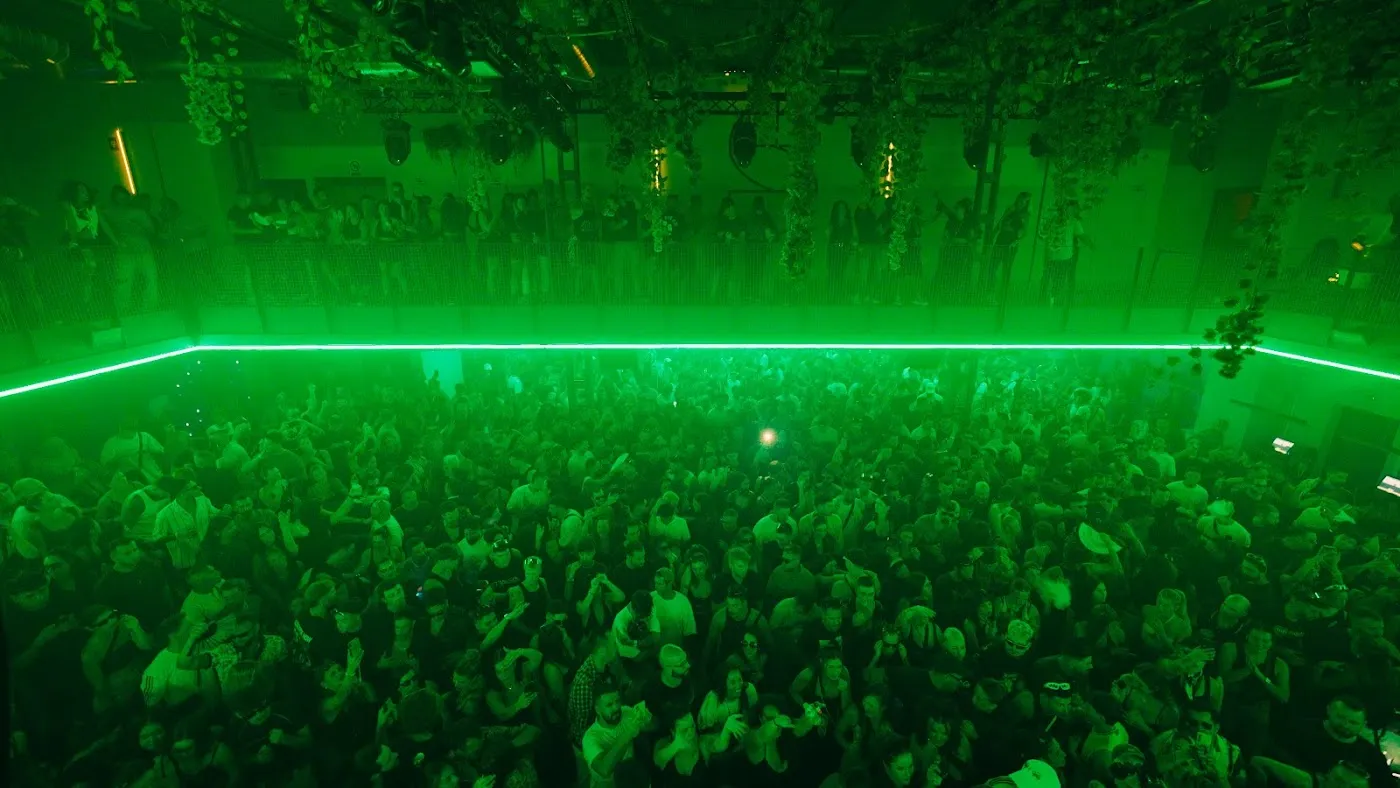
The Palladium Club
4.5(991)TorremolinosA large two-floor nightclub near the centre, one of the busiest mainstream clubs on the eastern coast. Weekends into the early hours.
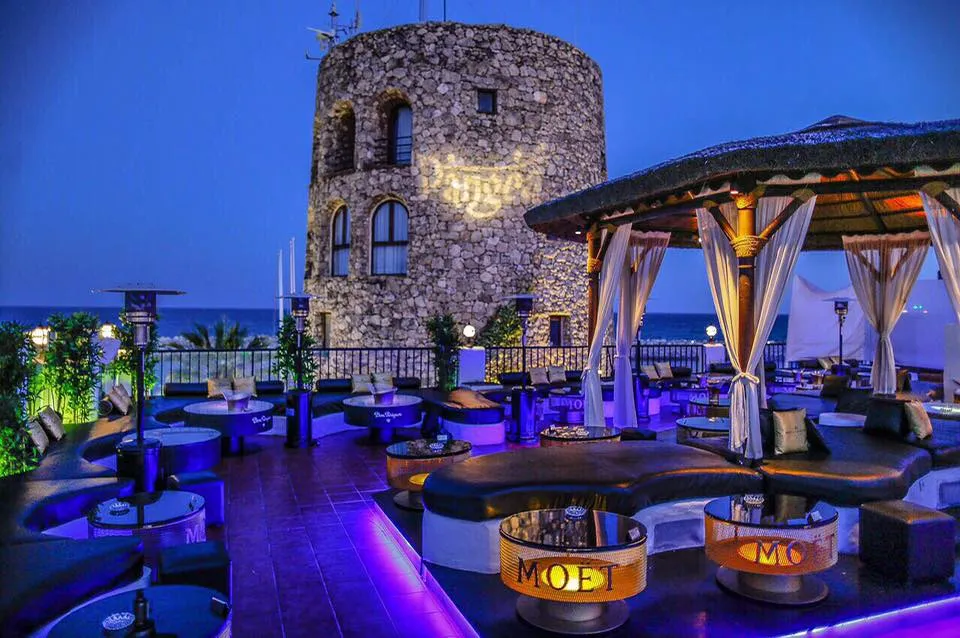
Pangea
4.2(374)Puerto BanúsOpen-air rooftop megaclub over the marina, big-name guest DJs and the most photographed room in Banús. Peaks late June to early September.
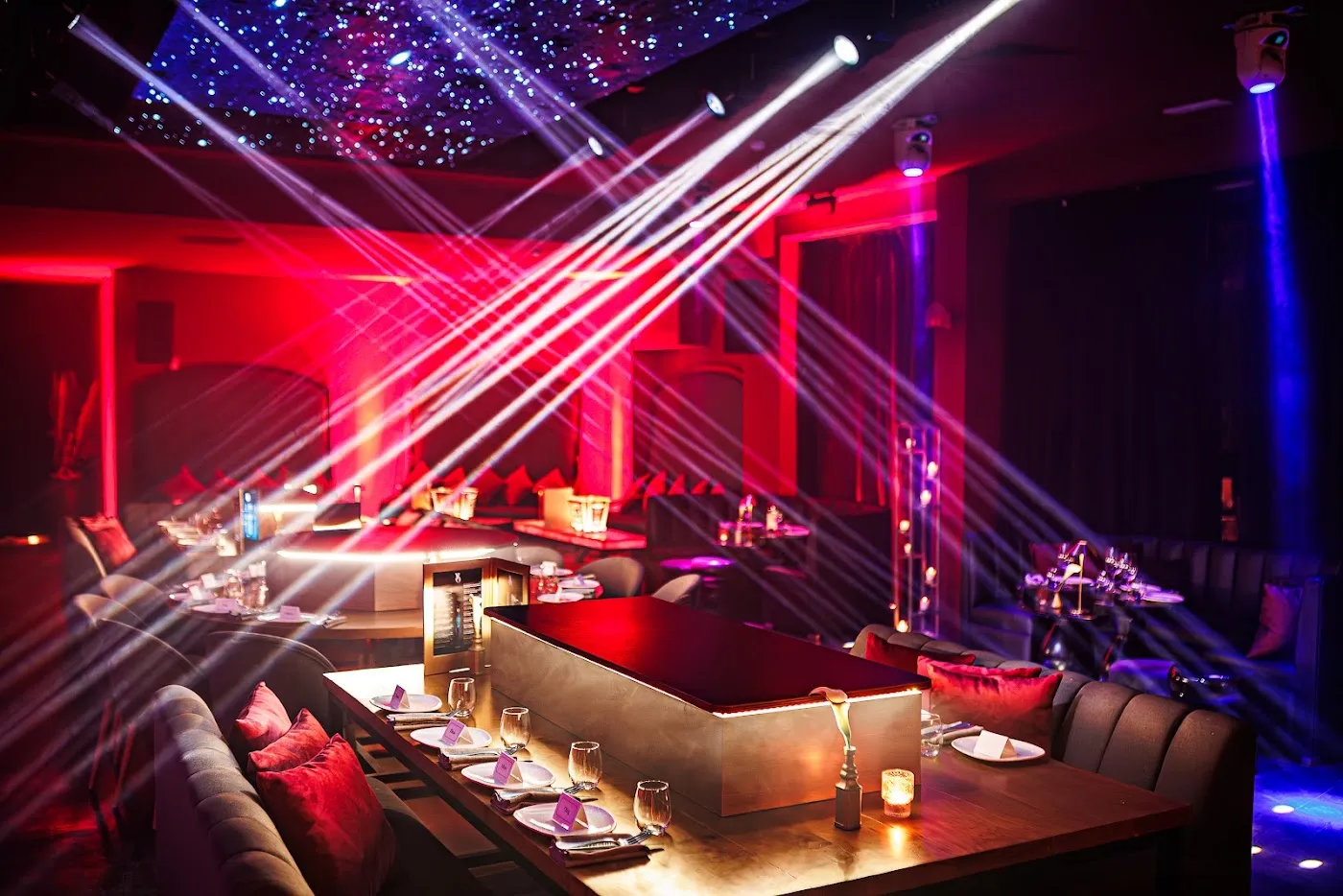
Olivia Valère
4.1(1.939)MarbellaThe Moroccan-palace benchmark of Marbella luxury, open since the 1990s. House, Latin and classics; strict, elegant door. Runs all year.
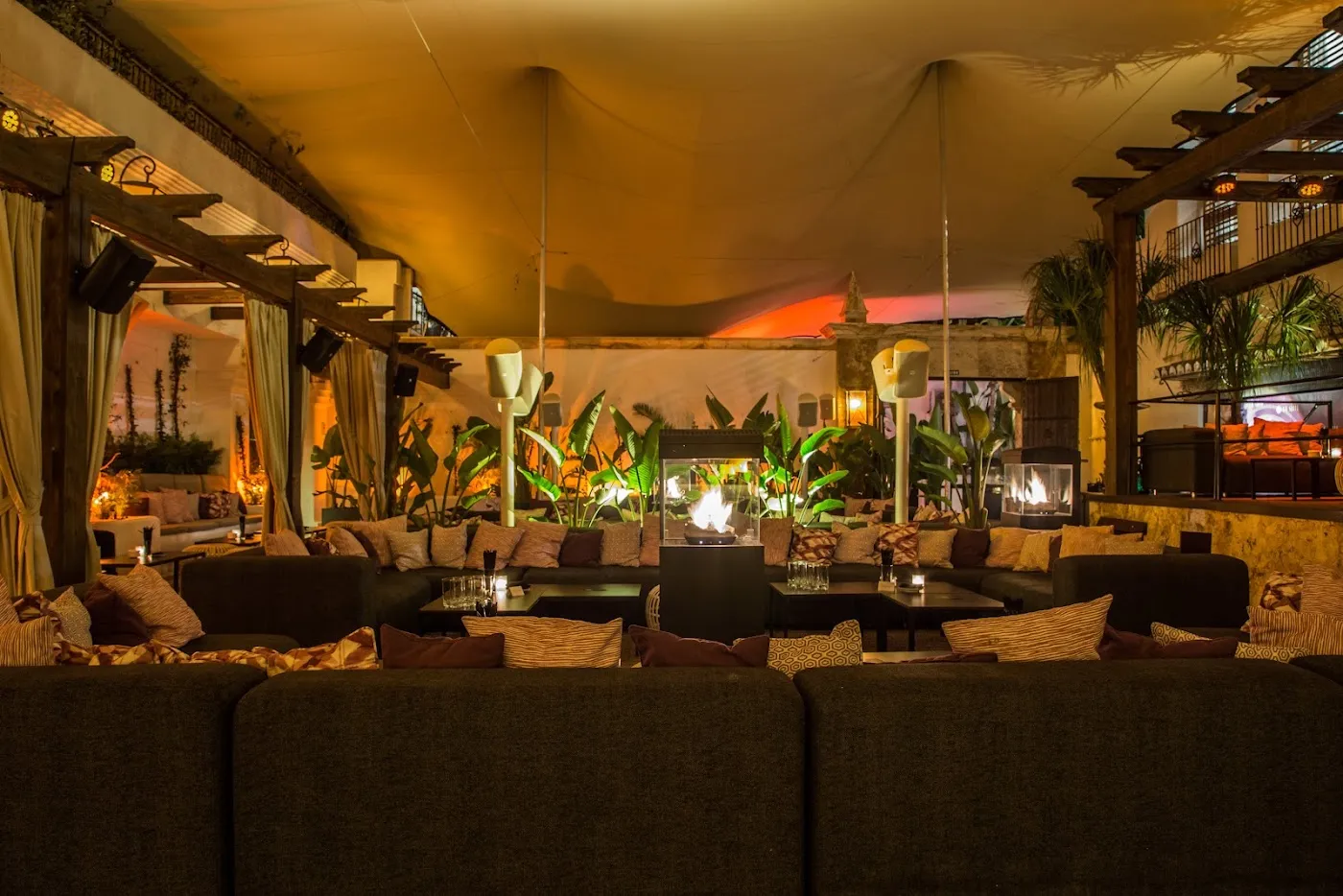
La Suite Marbella
4.0(100)MarbellaThe intimate, members-club room at Puente Romano on the Golden Mile. Around 300 people, an international DJ line-up and a very strict door.
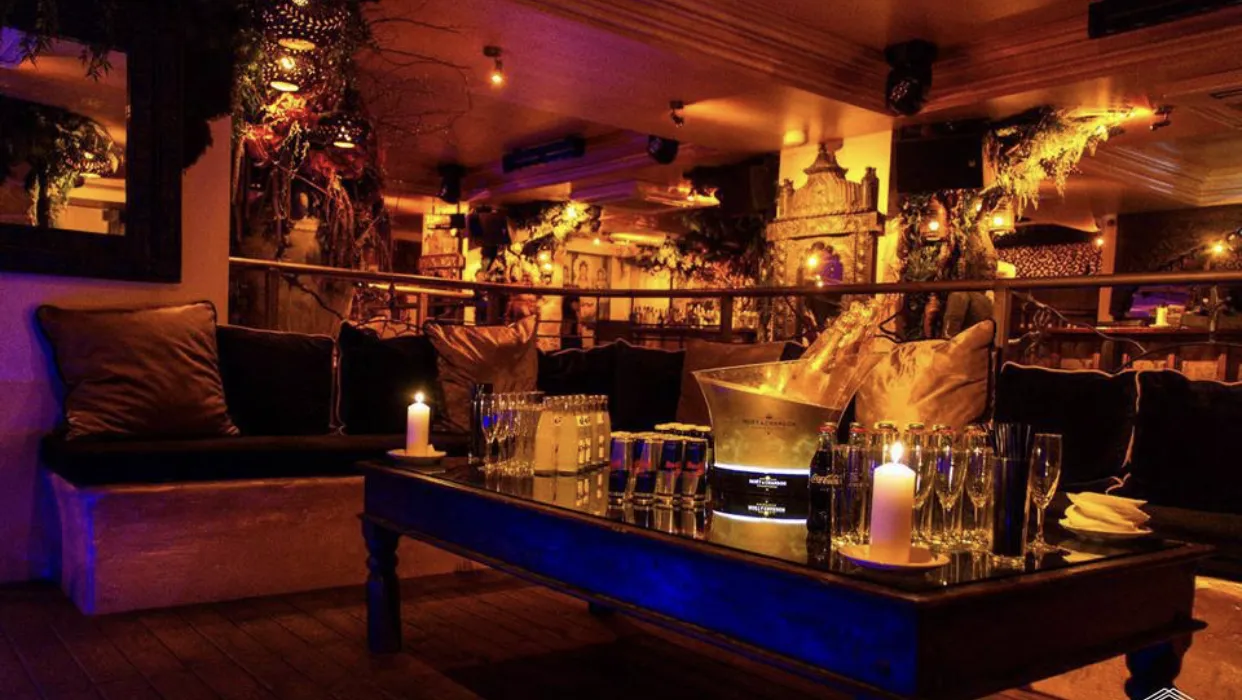
Funky Buddha
3.7(474)MarbellaThe locals’ alternative to the marina megaclubs, in Marbella centre. Techno, deep house and garage, a relaxed door and lower prices.
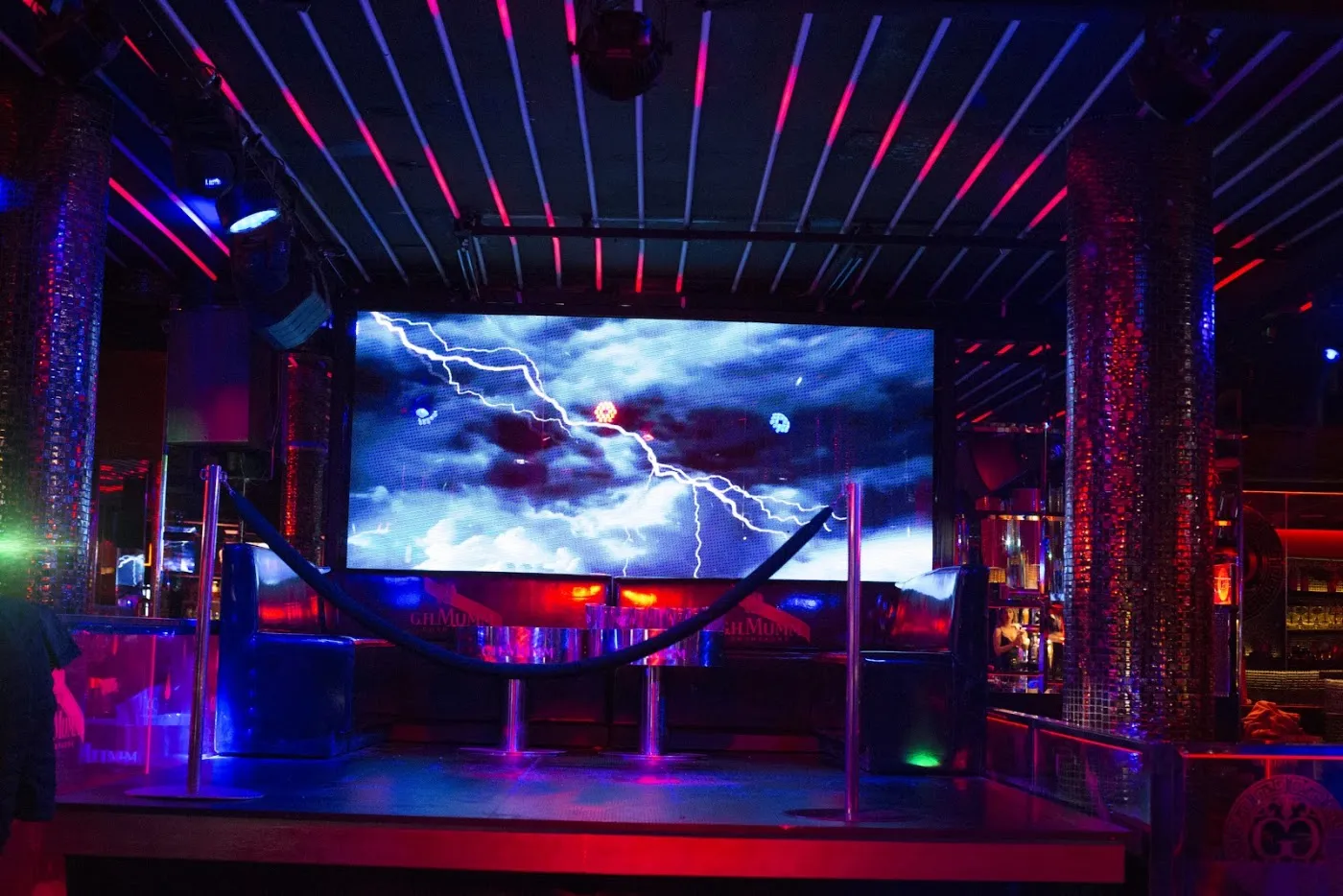
Sala Gold
3.5(4.546)MálagaMálaga’s reference club in the historic centre. Reggaeton, dance and R&B with a big-production light show; year-round, roughly 11pm to 7am.
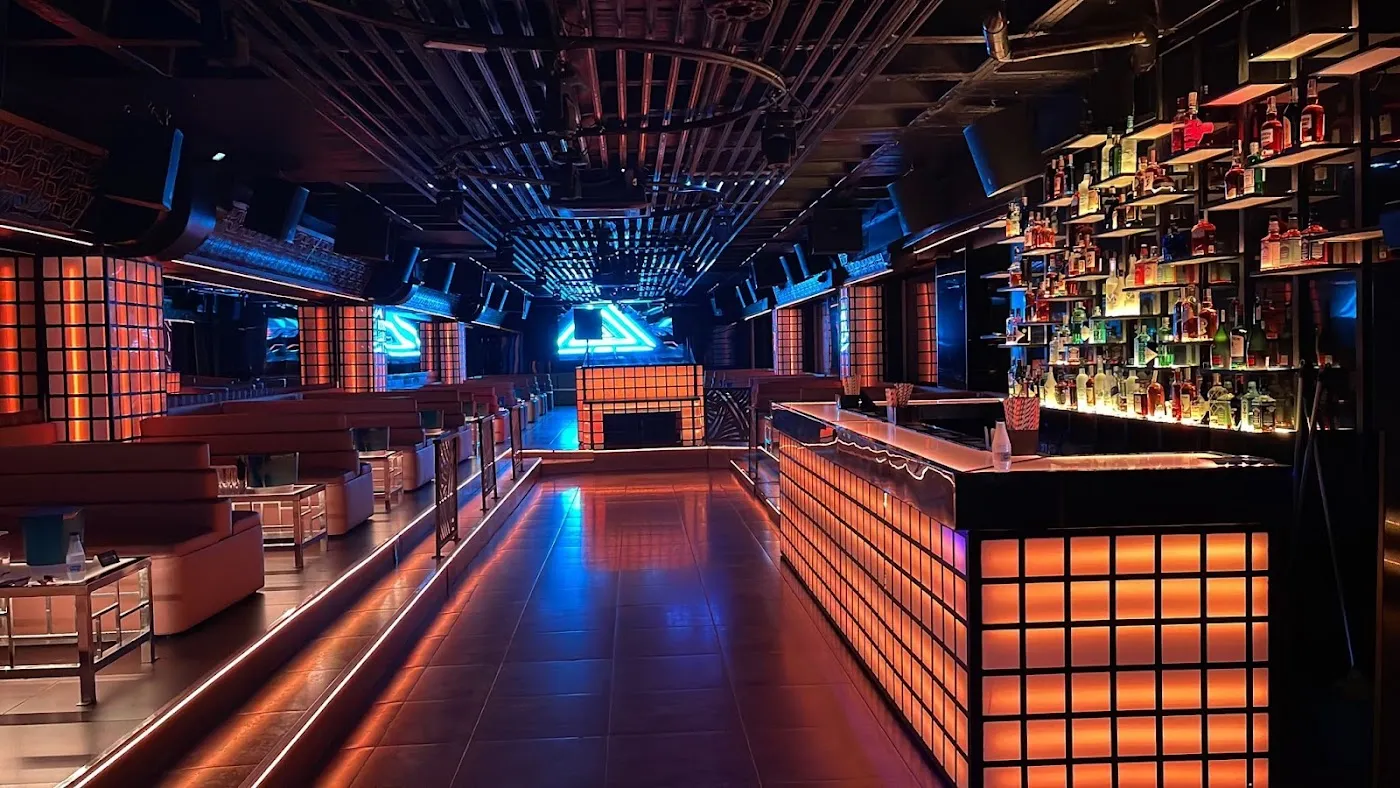
Tibu Banús
3.2(272)Puerto BanúsThe classic busy dancefloor on Plaza Antonio Banderas. Commercial house, hip-hop and international DJs; one of the few that keeps winter nights open.
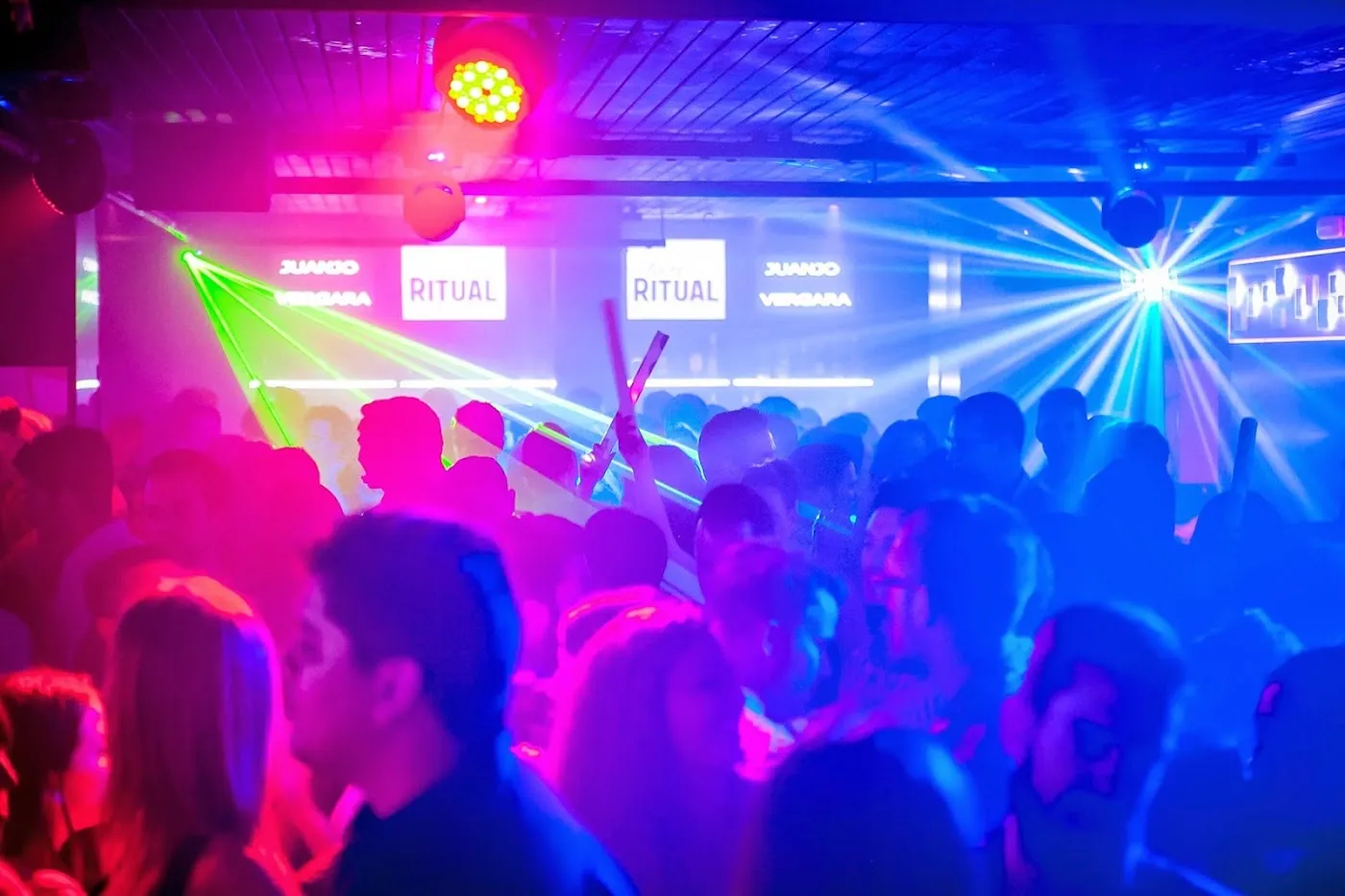
Discoteca Andén
2.9(2.012)MálagaOne of the city’s longest-running clubs, on Plaza Uncibay since 1988. Mainstream and commercial with six VIP zones, Thursday to Saturday.
The beach clubs
The signature Costa del Sol experience: a pool, a restaurant and a DJ by the sea, where a lazy afternoon turns into a champagne-shower party. Most run from May to October, and in summer you book a bed or table with a minimum spend.
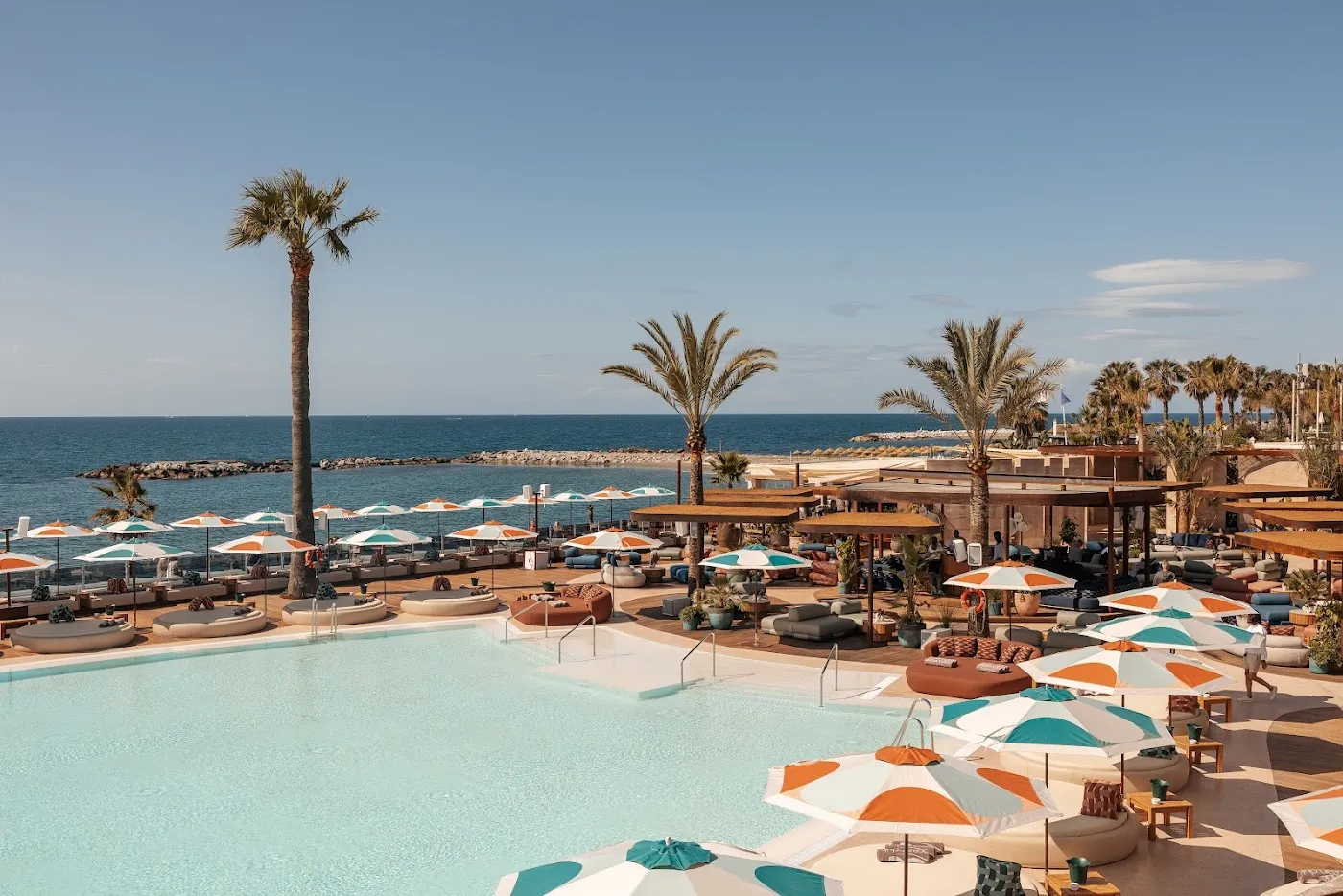
Ocean Club Marbella
4.3(1.945)Puerto BanúsOne of Europe’s largest beach clubs, on the Banús beachfront, built around a giant saltwater pool and its Veuve Clicquot champagne parties.
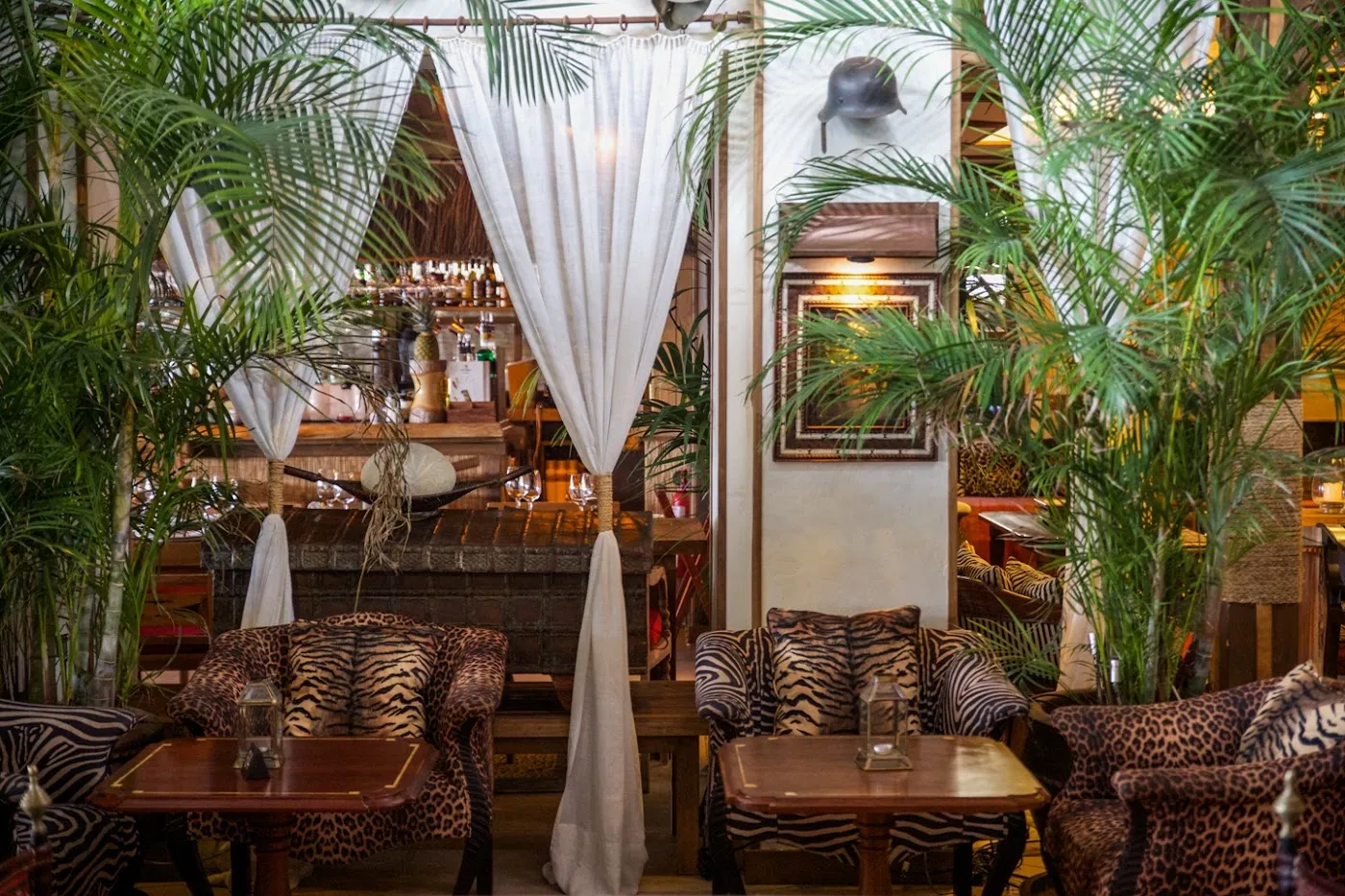
Trocadero Arena
4.3(3.372)MarbellaThe relaxed, year-round Grupo Trocadero beach lounge on Río Real beach: cuisine, a sushi bar, hammocks and DJ sessions rather than a hard party.
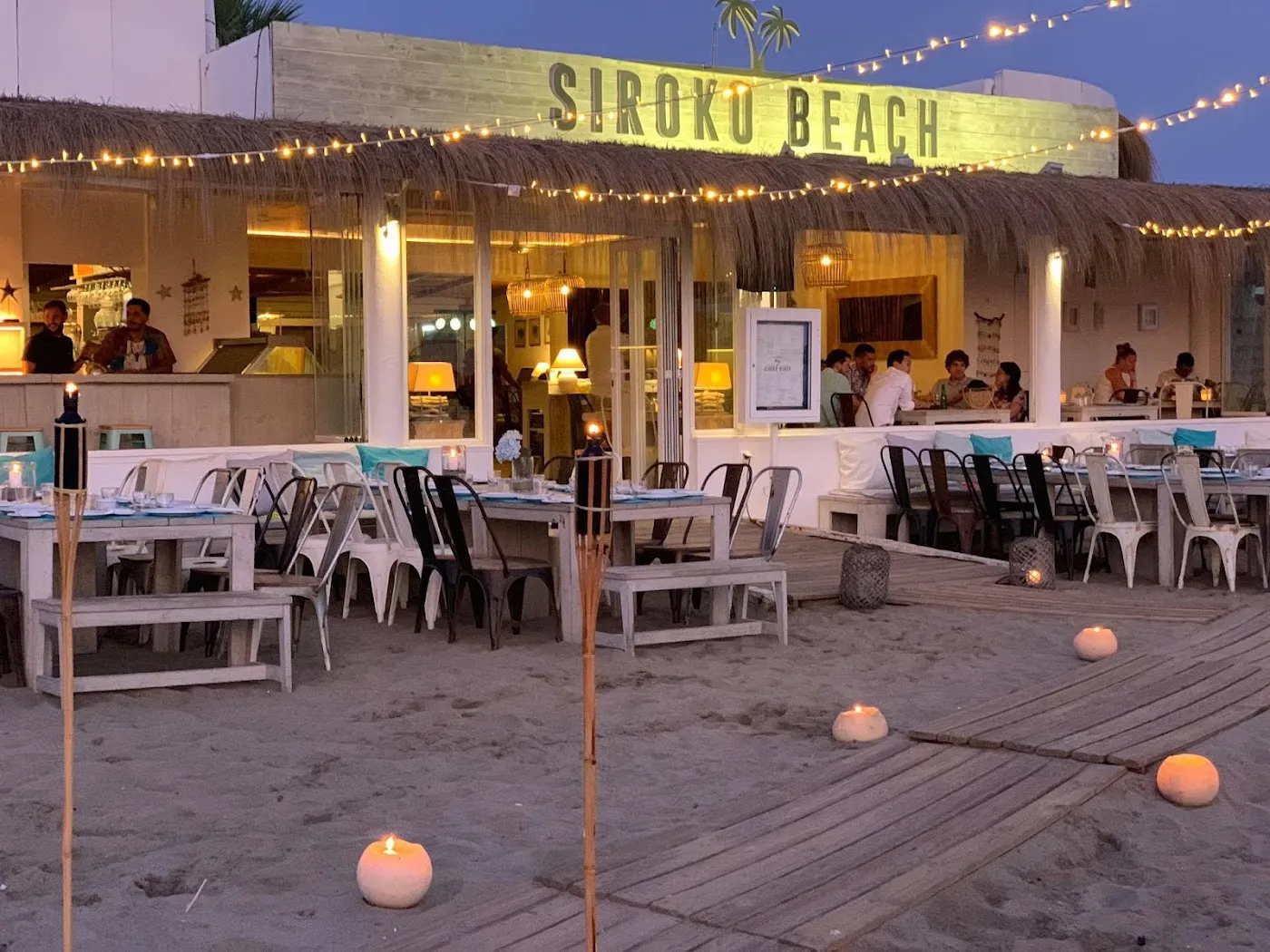
Siroko Beach
4.3(2.137)MarbellaA food-and-music beach club between Marbella and Banús with sunset dinner shows and late weekend parties. Resident DJ and live performers, spring to October.
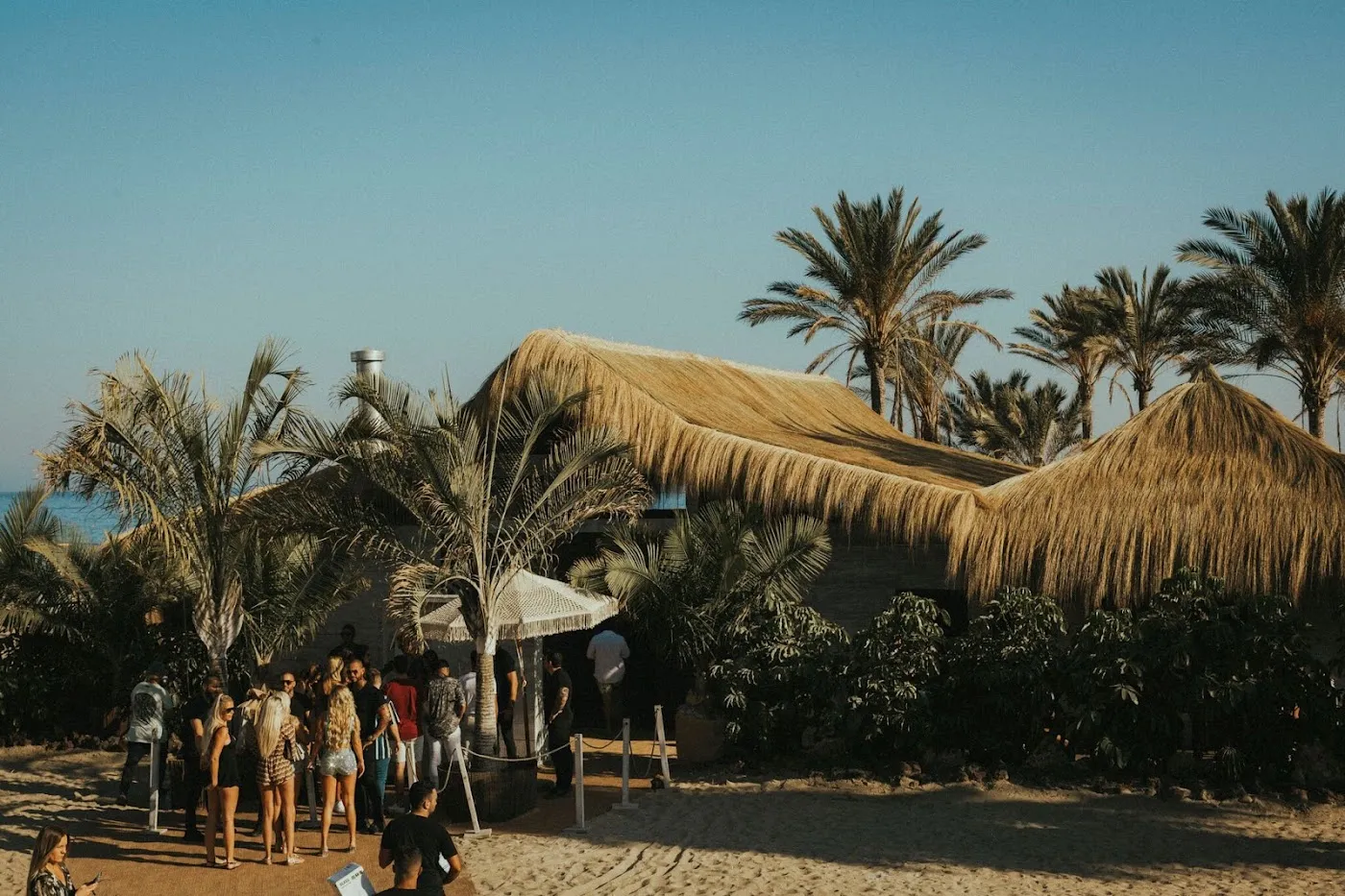
Playa Padre
4.3(3.561)Puerto BanúsThe younger, fashion-conscious strip venue in Banús, known for its “BOHO Sundays” that run from late afternoon to 1am with live sax and percussion.
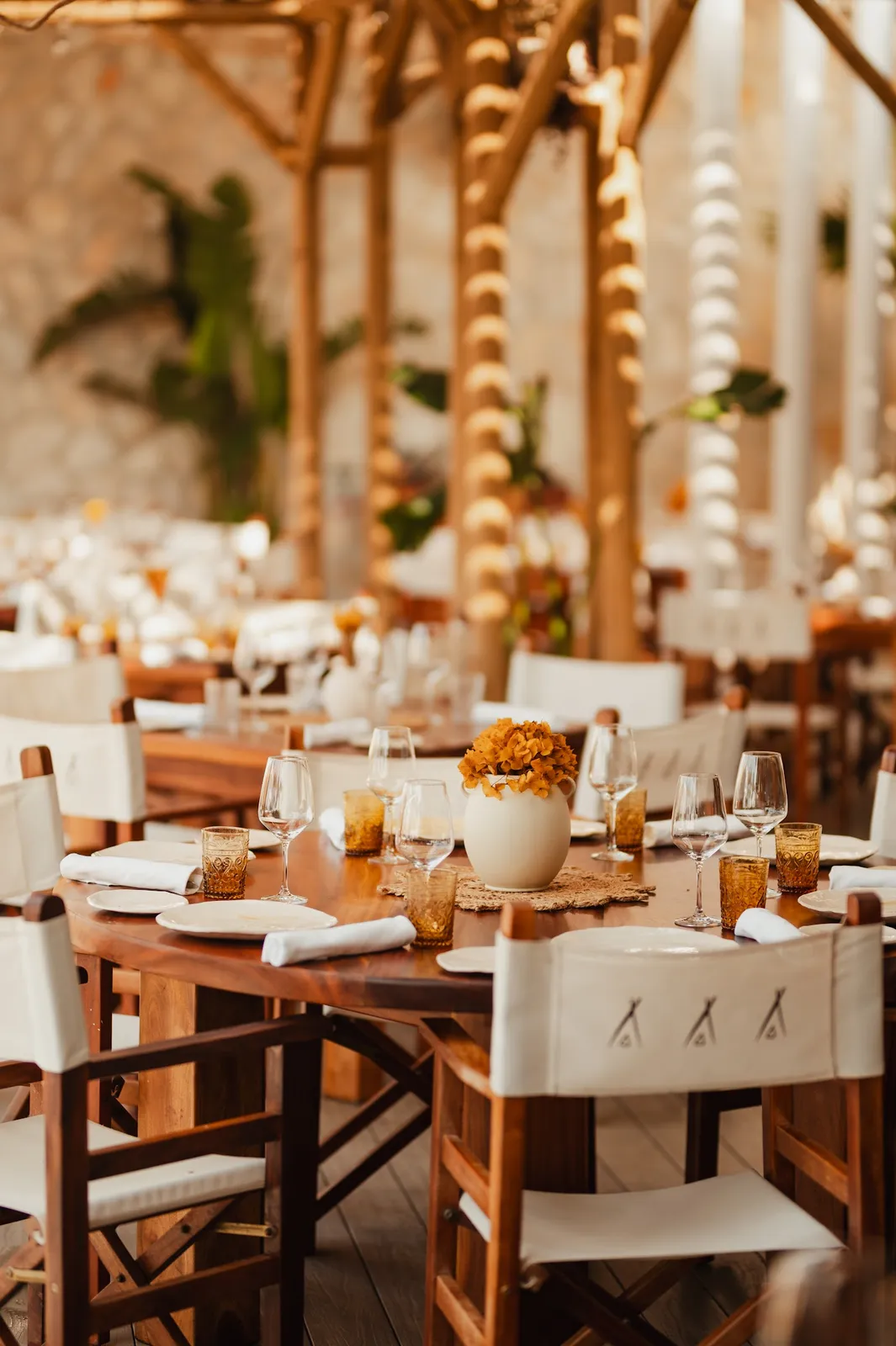
Nikki Beach Marbella
4.2(2.392)MarbellaThe flagship day club at Playa de Elviria, famous for its “Amazing Sundays” champagne-shower pool parties. Season runs roughly mid-April to early October.
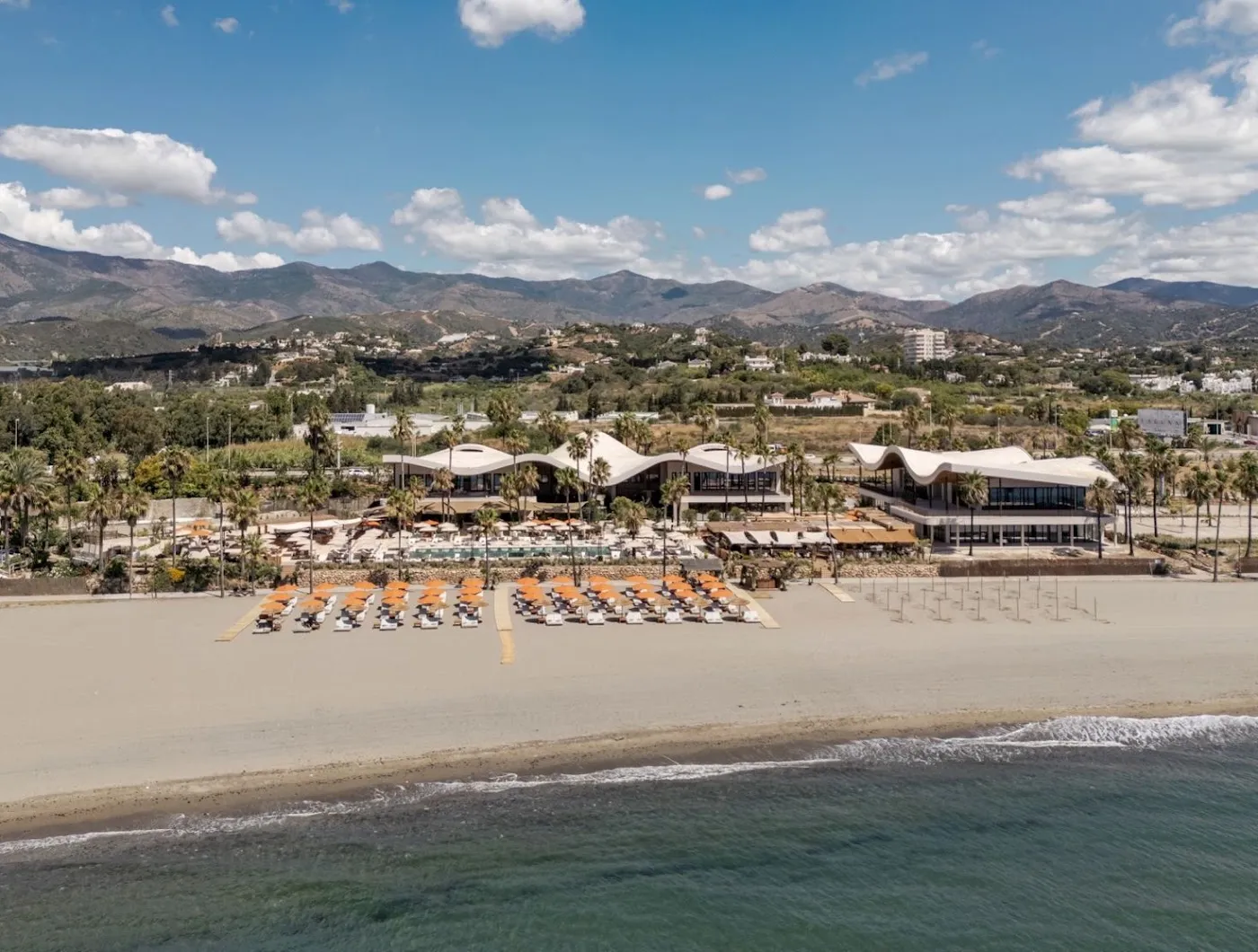
Purobeach Laguna Village
4.2(150)EsteponaA refined, sunset-focused chill-out club at Laguna Village west of Marbella, with resident DJs and full-moon nights, without the wild party crowd.
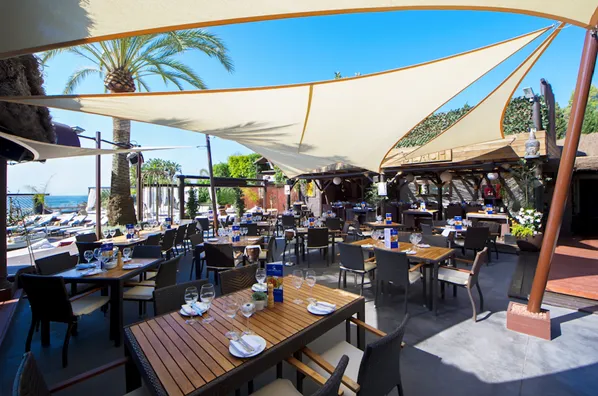
La Sala by the Sea
4.1(636)MarbellaA laid-back Mediterranean beach club near Puerto Banús that ramps into weekend pool parties, with live saxophone, percussion and DJs. Opens 1 May.
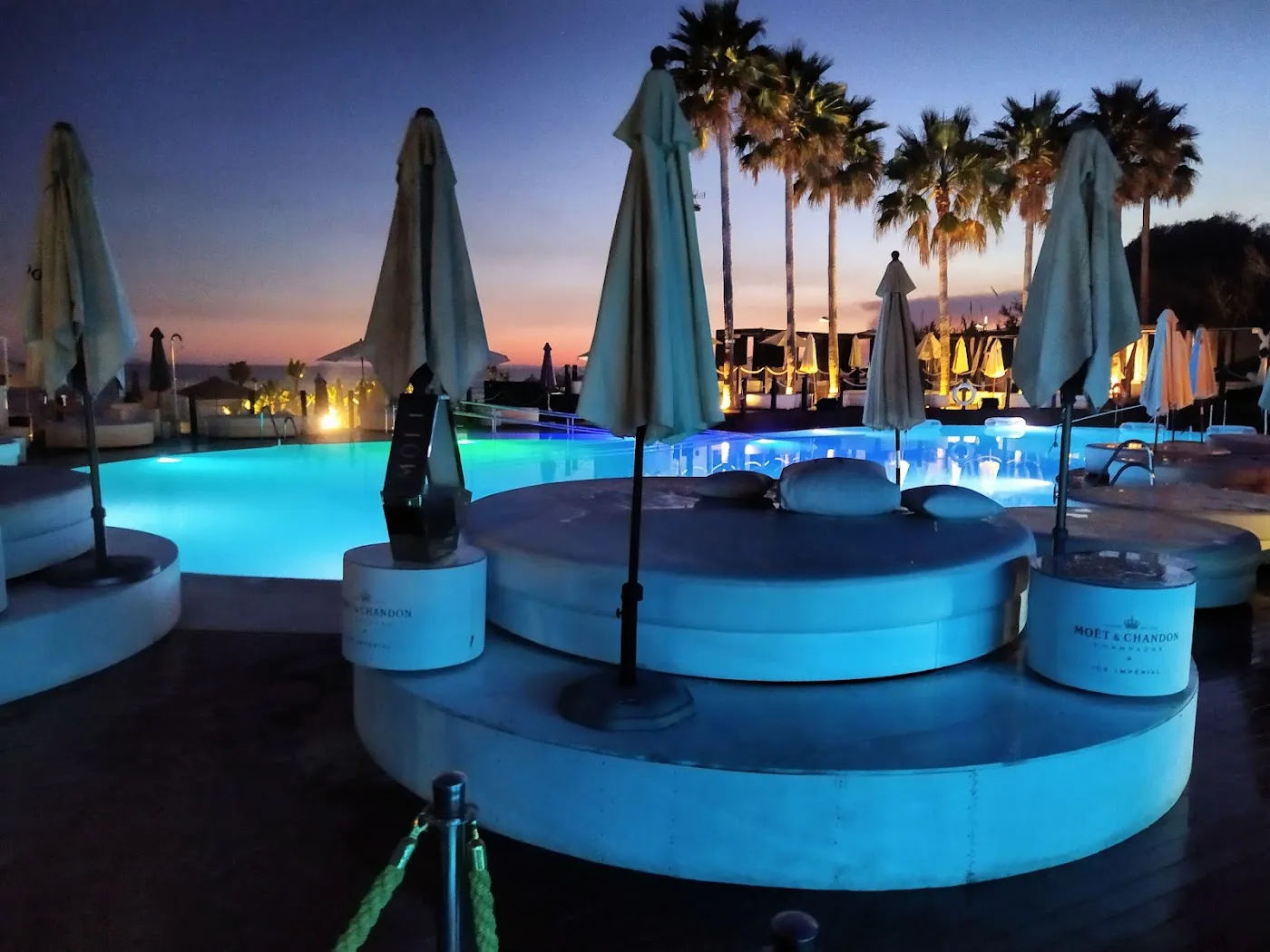
Opium Beach Marbella
3.9(971)MarbellaA beach-club-and-nightclub combo on Fontanilla beach in central Marbella, running day parties into the night through the summer.
Bars, rooftops and live music
The pre-club and all-year side of the coast: Málaga’s rooftop terraces and craft-cocktail bars, its old wine bodegas, the marina cocktail landmarks of Banús, and proper live flamenco and jazz.
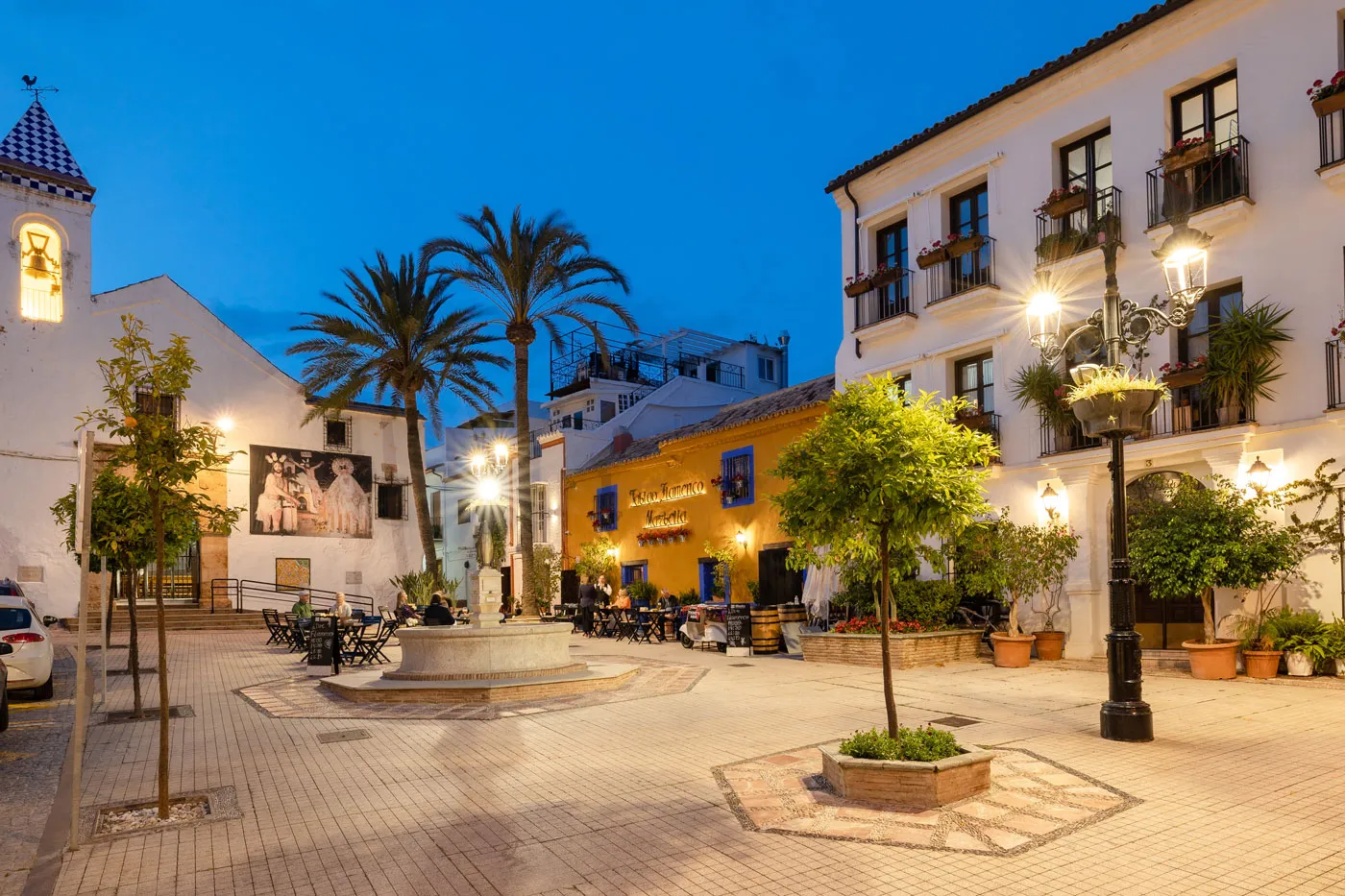
Tablao Flamenco Marbella
4.8(825)Marbella · Live musicOne of Andalusia’s oldest tablaos, opened 1962 by the old-town church. Pure flamenco without microphones, paired with Mediterranean dining.
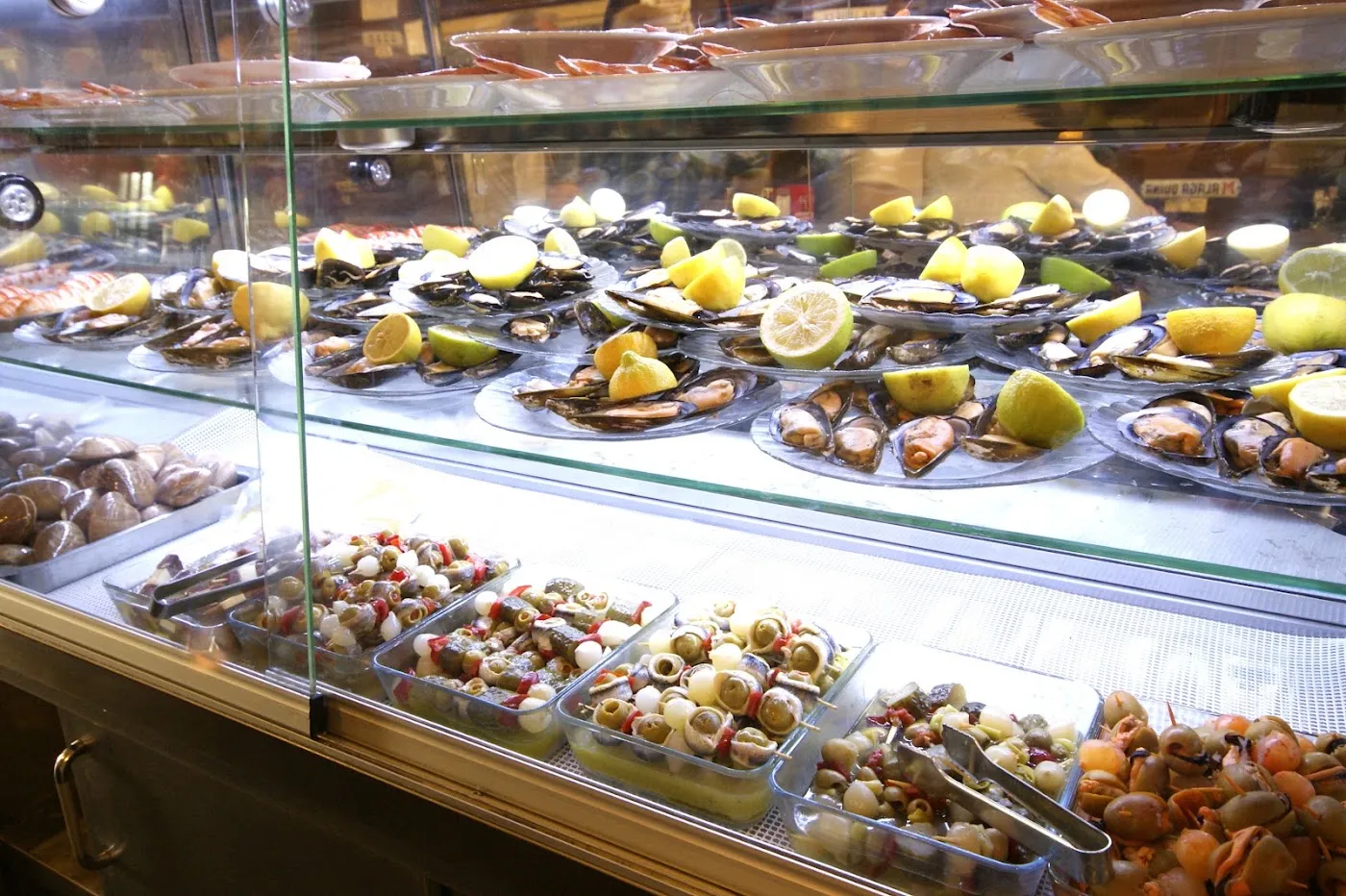
Antigua Casa de Guardia
4.6(10.887)Málaga · Wine & vermutMálaga’s oldest taberna, founded 1840. Sweet Málaga wine poured from the barrel, standing at the counter, the bill chalked on the wood.
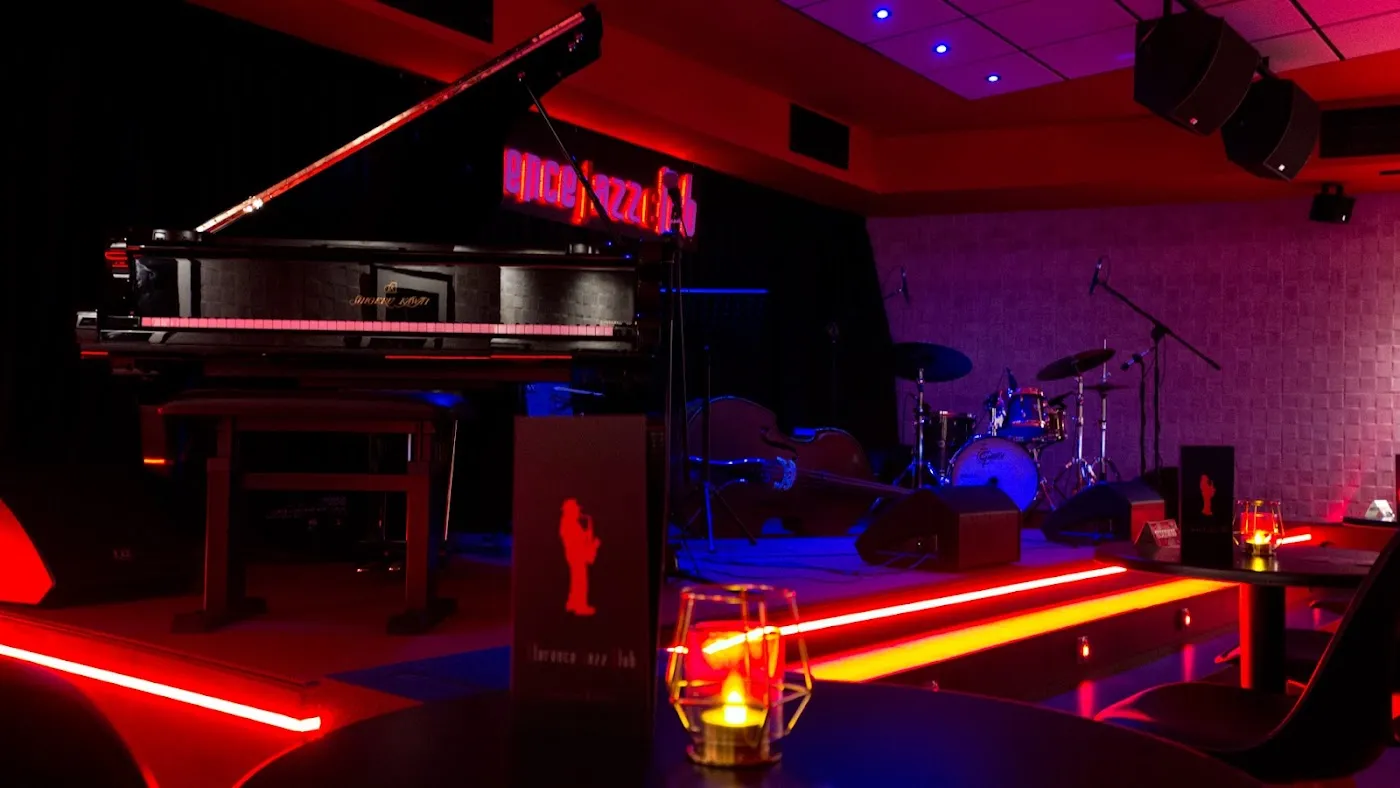
Clarence Jazz Club
4.6(666)Málaga · Live musicThe city’s dedicated jazz room, with regular live sets, in the historic centre.
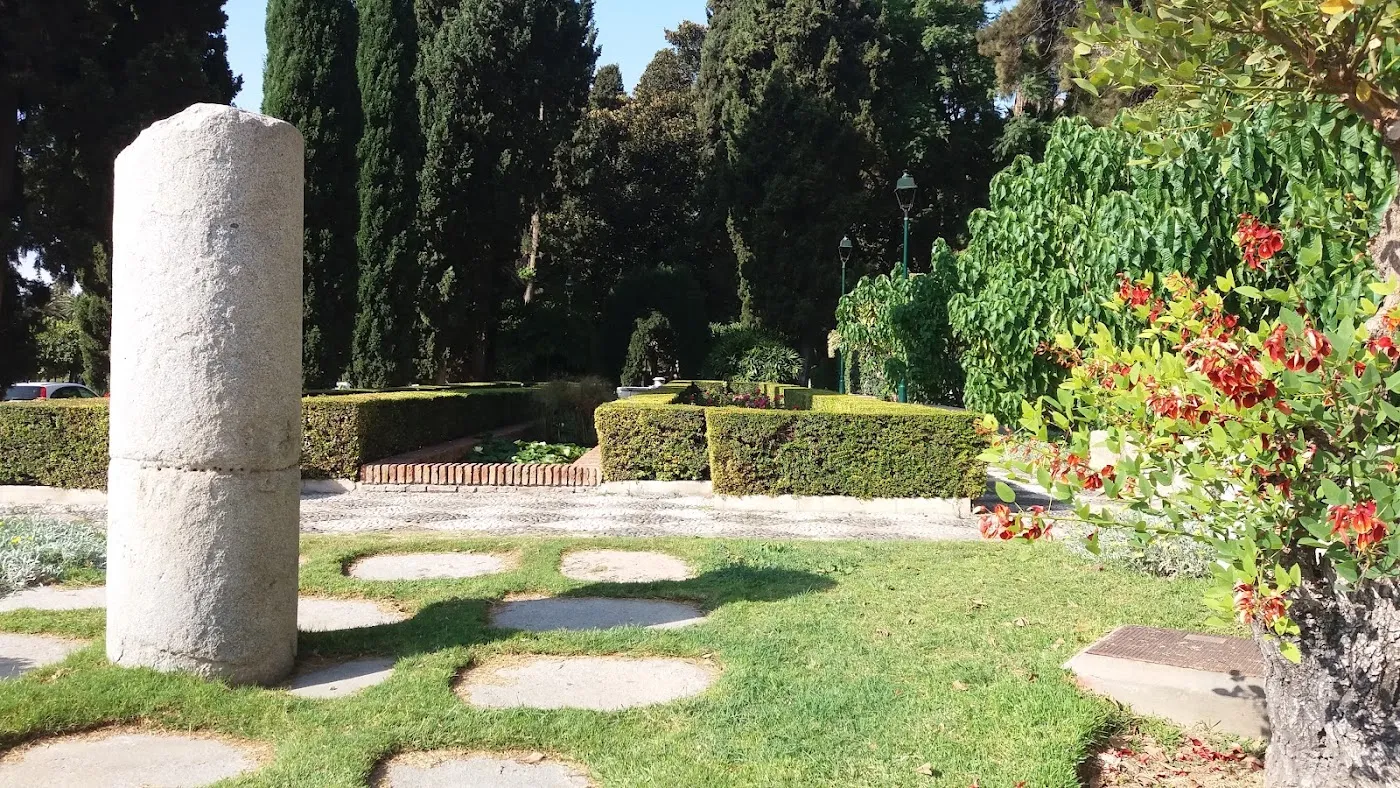
Puerta Oscura
4.6(297)Málaga · Cocktail barA classic candle-lit cocktail bar near the Cathedral, often with piano or classical music, a long-standing local institution.
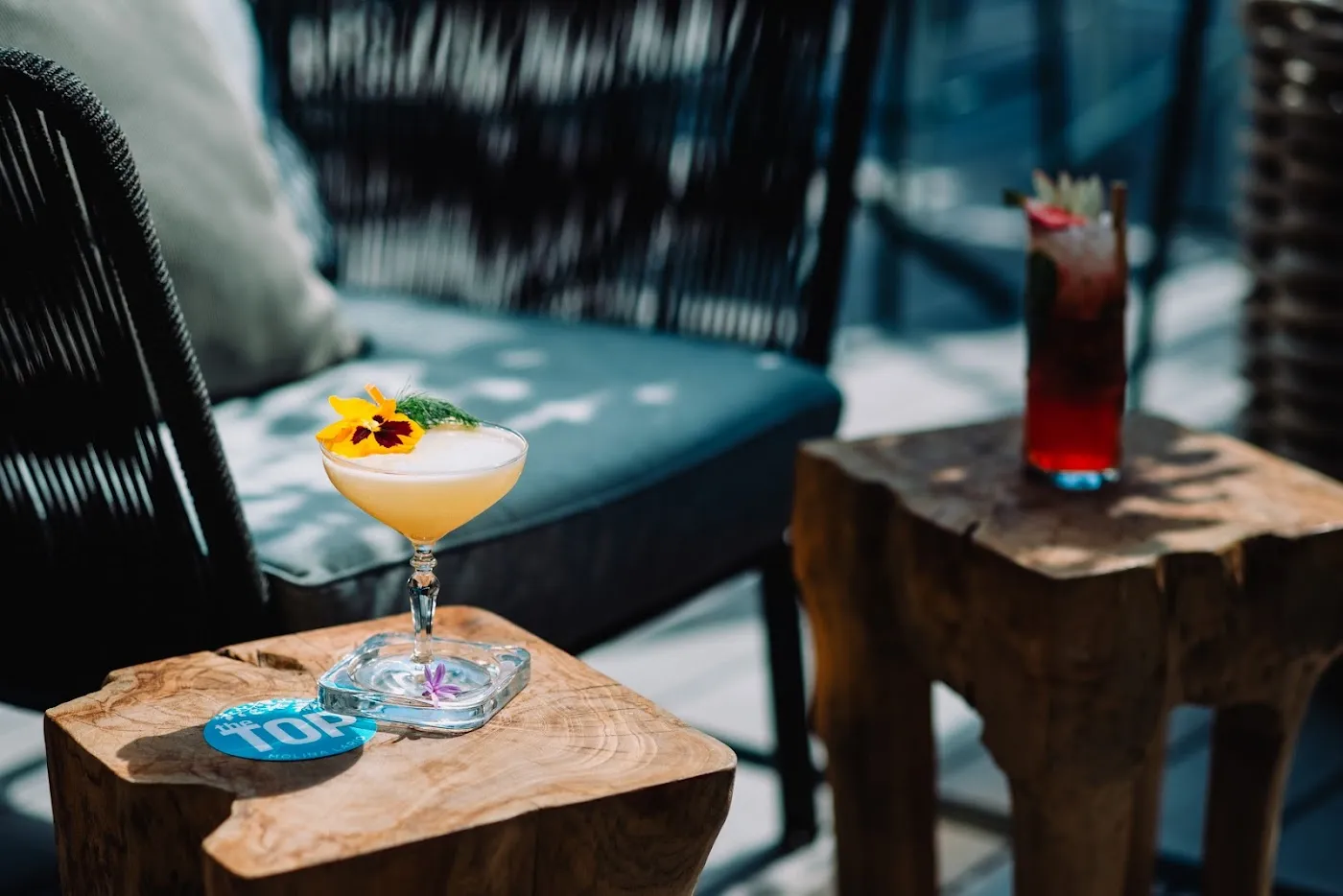
La Terraza de Molina Lario
4.5(490)Málaga · RooftopAn 8th-floor hotel rooftop facing the Cathedral, creative cocktails and sometimes live bands, calmer than Àtico.
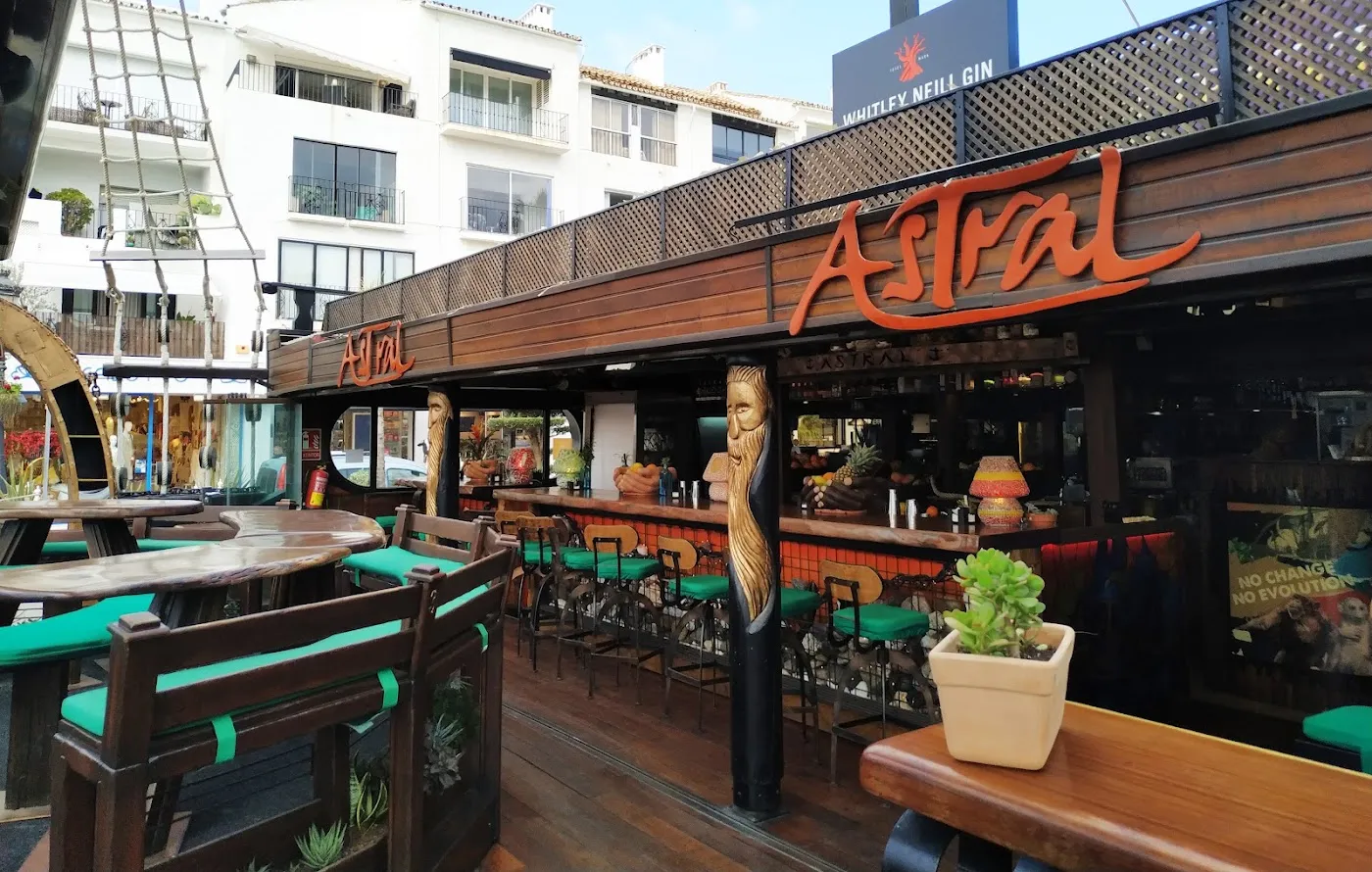
Astral Cocktail Bar
4.5(2.364)Puerto Banús · Cocktail barThe landmark galleon-shaped cocktail bar on the Banús front line, open since 2002. Premium spirits and a glamorous see-and-be-seen terrace.
ÀTICO Rooftop, AC Hotel Málaga Palacio
4.4(6.984)Málaga · RooftopThe best-known rooftop in the city, on the 15th floor, with a 360-degree sweep over the Cathedral, port and sea. The highest energy and the longest queues.
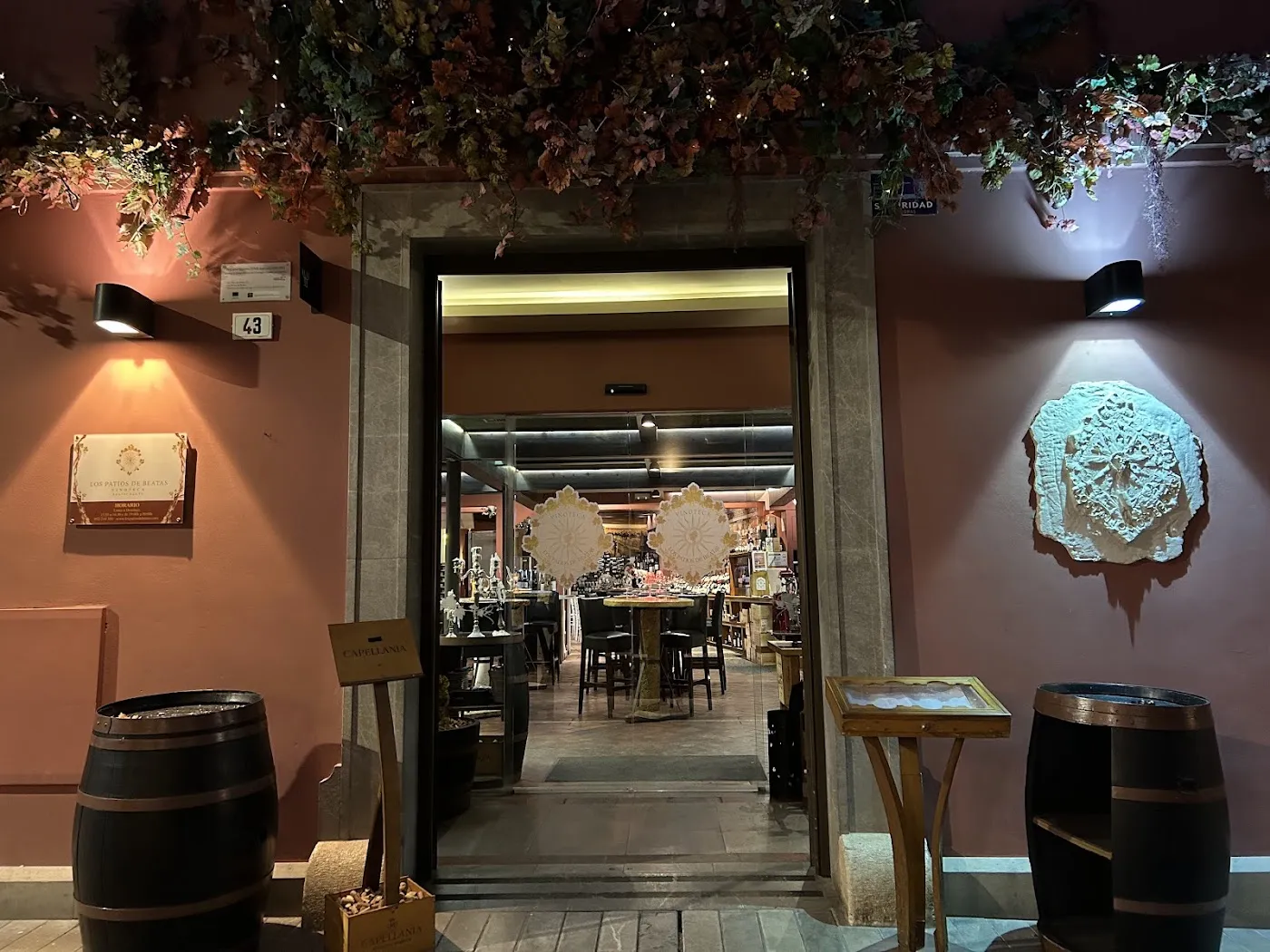
Los Patios de Beatas
4.4(3.038)Málaga · Wine & vermutA modern wine bar in the centre with a large curated list, tastings and creative cuisine, a contemporary counterpoint to the old bodegas.
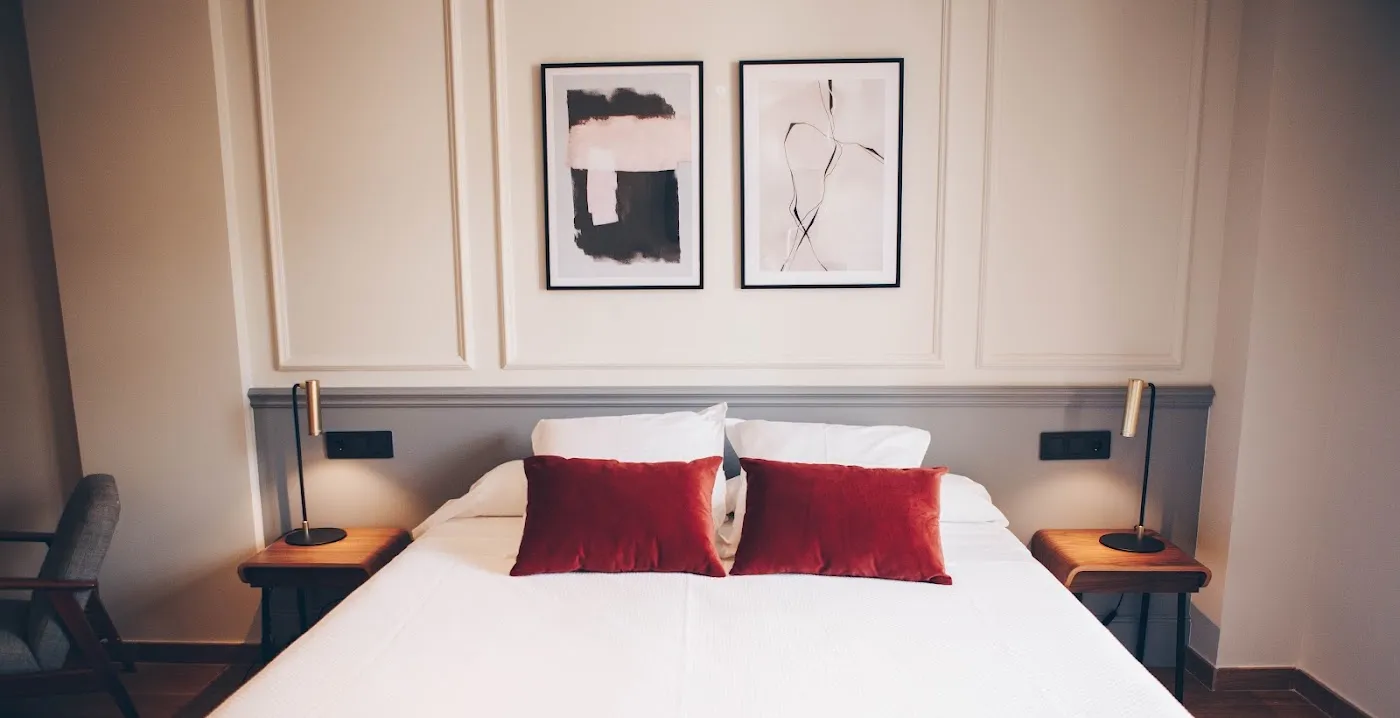
Alcazaba Premium Rooftop
4.2(1.000)Málaga · RooftopA 5th-floor terrace on Calle Alcazabilla with fortress and Gibralfaro views, a lively mixed crowd and a prime sunset spot.
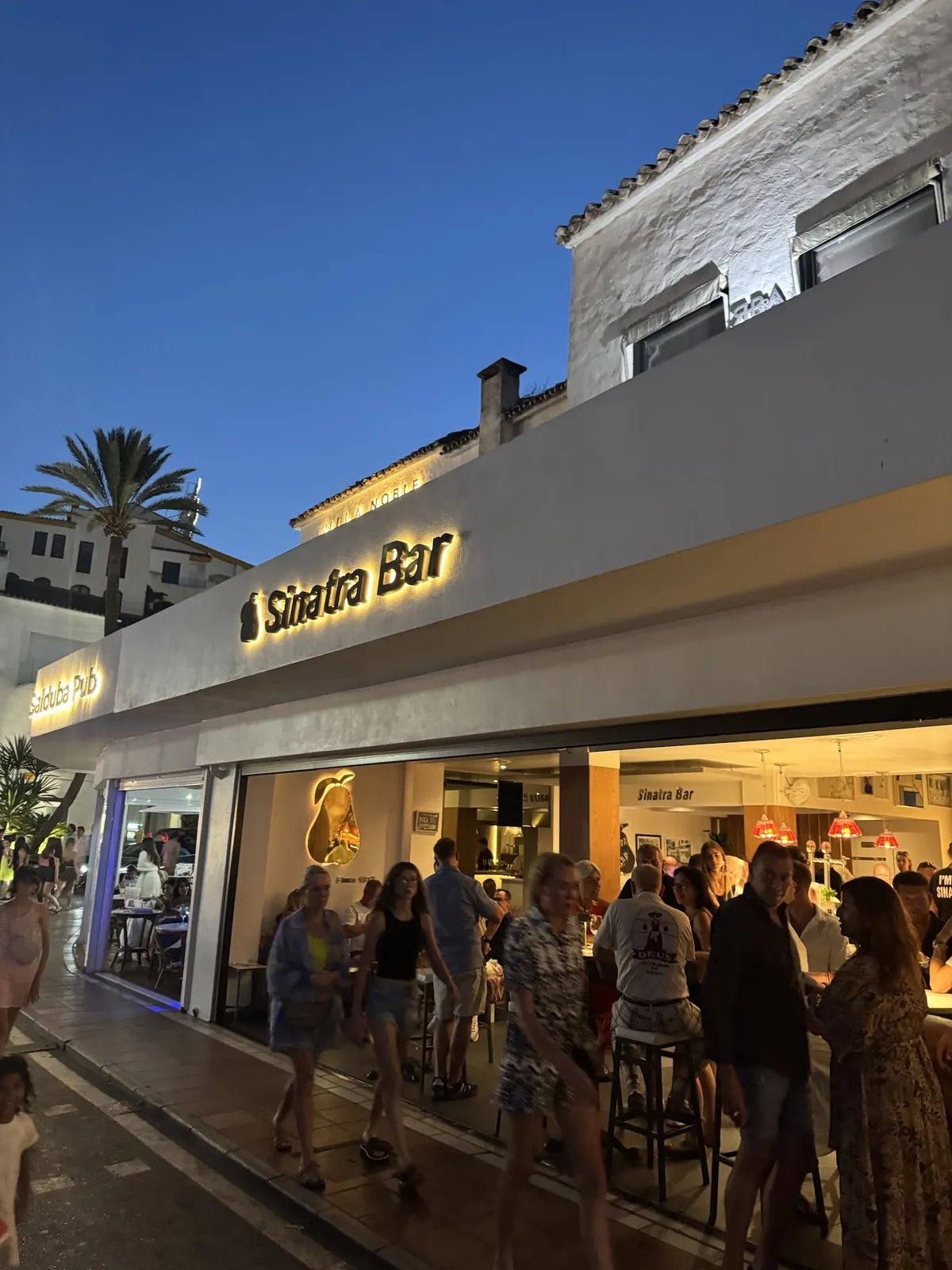
Sinatra Bar
4.2(553)Puerto Banús · Cocktail barA long-running mid-century lounge on the marina, dark wood and leather with a jazz-and-swing feel, open late into the early hours.
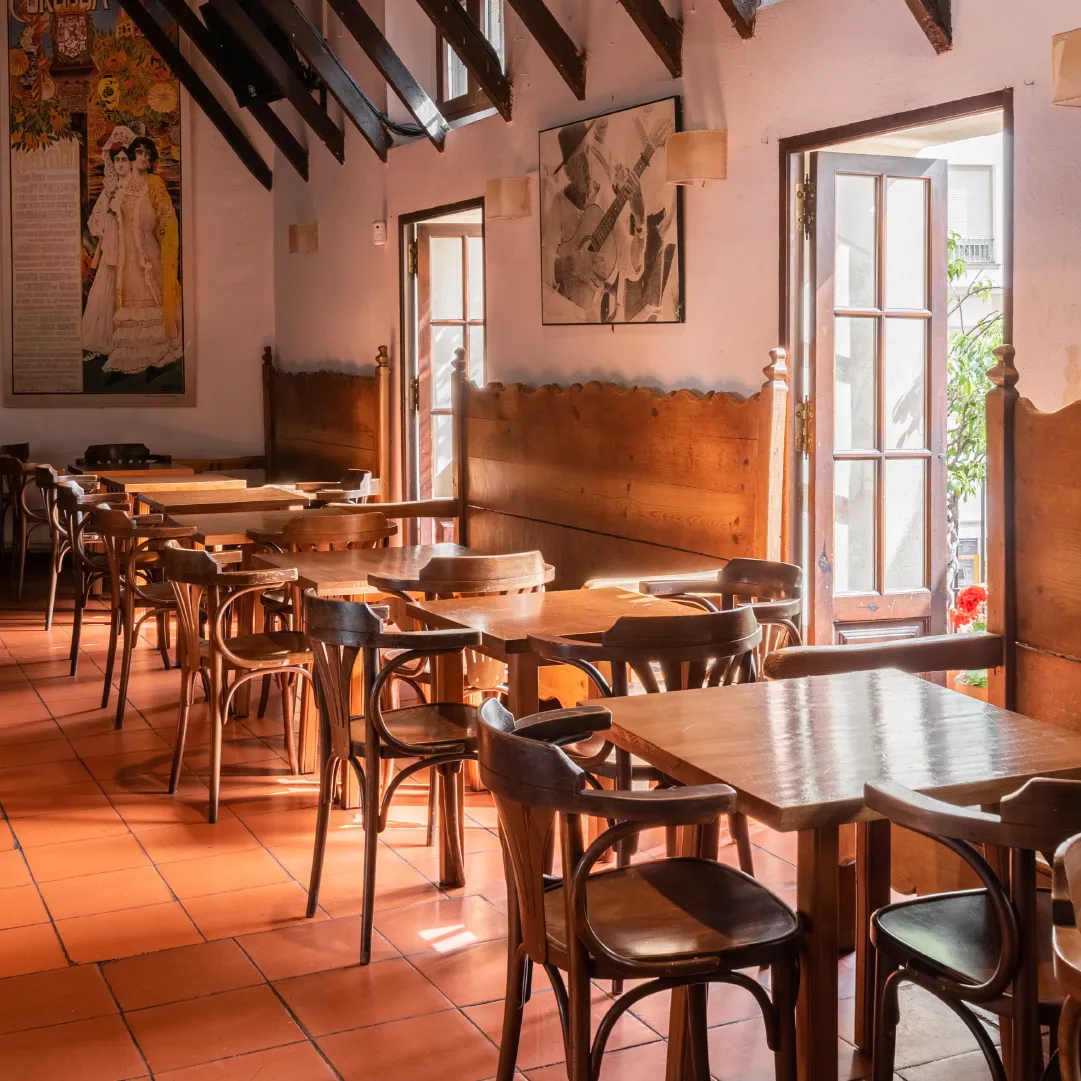
El Pimpi
4.1(19.976)Málaga · Wine & vermutThe city’s most famous bodega-restaurant, barrel-lined rooms and a huge terrace by the Roman theatre, for wine and tapas with occasional flamenco.
Photos and ratings via Google. Tap any card for its Google listing, hours and directions.
How a night out works here
Tables, dress codes, timing and getting home. The practical side, weighted to Marbella and Puerto Banús where it matters most.
Tables and bottle service
The Marbella and Banús clubs run on minimum spend: you book a table or bed and commit to a minimum bill, with a deposit taken ahead and credited against it. Club tables start around 500 to 800 euros and rise past 3.000 for peak Saturdays. A table buys seating, a host and free mixers.
Dress codes
Marina clubs enforce smart, upscale dress: no sportswear, shorts, trainers, sandals or beachwear, and the door can refuse you at its discretion. Beach clubs want smart beachwear with cover-ups; costumes, glitter and hen-party props are banned. The old town and smaller towns are relaxed and free to enter.
The late timetable
Bars fill from about 10pm, but clubs do not get going until around midnight and peak at 2 to 3am, closing at 6am in summer. Beach clubs are the daytime option, with sunset sessions roughly 7 to 11pm; a booked bed usually needs check-in by around 1pm or you can lose it.
Guest lists and promoters
A guest list gets you in, often free before a cut-off, with no seating; a table adds the perks. Concierge apps let you browse and book tables and split the bill across a group. Be wary of street promoters offering free entry or free drinks, which often lead to overpriced rounds.
Getting home
Taxis wait outside the clubs but queues can run 20 to 30 minutes at the 4 to 5am peak; Uber and Cabify operate with night surge pricing. Spain’s drink-drive limit is low (0.5 g/l, or 0.3 for new drivers) so driving after a night out is not worth it.
Safety
Violent crime is uncommon. The real risks are pickpocketing in the marina and crowded venues, drink-spiking on the busy club strips, and minimum-spend traps at beach clubs, so confirm in writing what a table covers. The old town and the seafront promenade are the safer places to walk late.
The season, and the nights that define it
Outside Málaga city, the coast’s nightlife has a clear rhythm. This is how it moves across the year, and the events worth planning around.
The nights worth planning around
Feria de Málaga
15 to 22 August 2026The province’s biggest street party. A day fair on Calle Larios with flamenco and sherry, and a night fair of casetas at the Cortijo de Torres fairground until dawn.
Starlite Occident, Marbella
June to August 2026The coast’s flagship festival, in a former quarry turned amphitheatre. 2026 acts include Lenny Kravitz, Maroon 5, Deep Purple and Ozuna, with post-show crowds moving on to the beach clubs.
Marenostrum, Fuengirola
Late April to SeptemberA large summer concert series at Sohail Castle, with a main stage for over 18.000. The 2026 line-up includes Sting, Alejandro Sanz and Pablo Alborán.
New Year’s Eve
31 DecemberThe winter peak: gala dinners at Puente Romano and Marbella Club, club parties at Olivia Valère and La Suite, and twelve grapes at midnight in Plaza de los Naranjos and Plaza de la Constitución.
Festival line-ups and feria dates are for the 2026 season and can change, so confirm official dates before booking travel.
Common questions about going out
When does the nightlife season run?
The beach clubs and the big open-air Marbella clubs run from about May to early October, peaking from mid-July to the end of August. Malaga city, and a small core of indoor clubs in Marbella, stay open all year and peak again around Christmas and New Year.
How much does a night out cost?
It depends entirely on where. In Puerto Banus, cocktails run 15 to 25 euros and club tables start around 500 to 800 euros of minimum spend. In Malaga old town or the quieter resort towns, beers are 2.50 to 4 euros, cocktails 9 to 16, and most bars have no entry fee.
Do the clubs have a dress code?
The Marbella and Puerto Banus clubs enforce a smart, upscale dress code: no sportswear, shorts, trainers or beachwear, and door staff can refuse entry at their discretion. Beach clubs want smart beachwear. Malaga city and the smaller towns are relaxed, clean-casual.
What time do people go out?
Late, in the Spanish way. Bars fill from about 10pm, but clubs do not get going until around midnight and peak at 2 to 3am, staying open until 6am in summer. Beach clubs are the daytime-into-evening option, with sunset sessions from about 7pm.
Where should I go for a quieter night?
Malaga city for craft cocktails, wine bodegas and rooftops; Marbella old town around Plaza de los Naranjos for tapas; and Estepona or Nerja for relaxed old-town squares. All of these are calmer and far better value than the Banus marina.
Is it safe on a night out?
Violent crime is uncommon. The real risks are pickpocketing in the Banus marina and crowded venues, drink-spiking on the busy club strips, and minimum-spend traps at beach clubs, so confirm what a table booking covers in writing. The old town and the Marbella seafront are considered the safer areas to walk late.
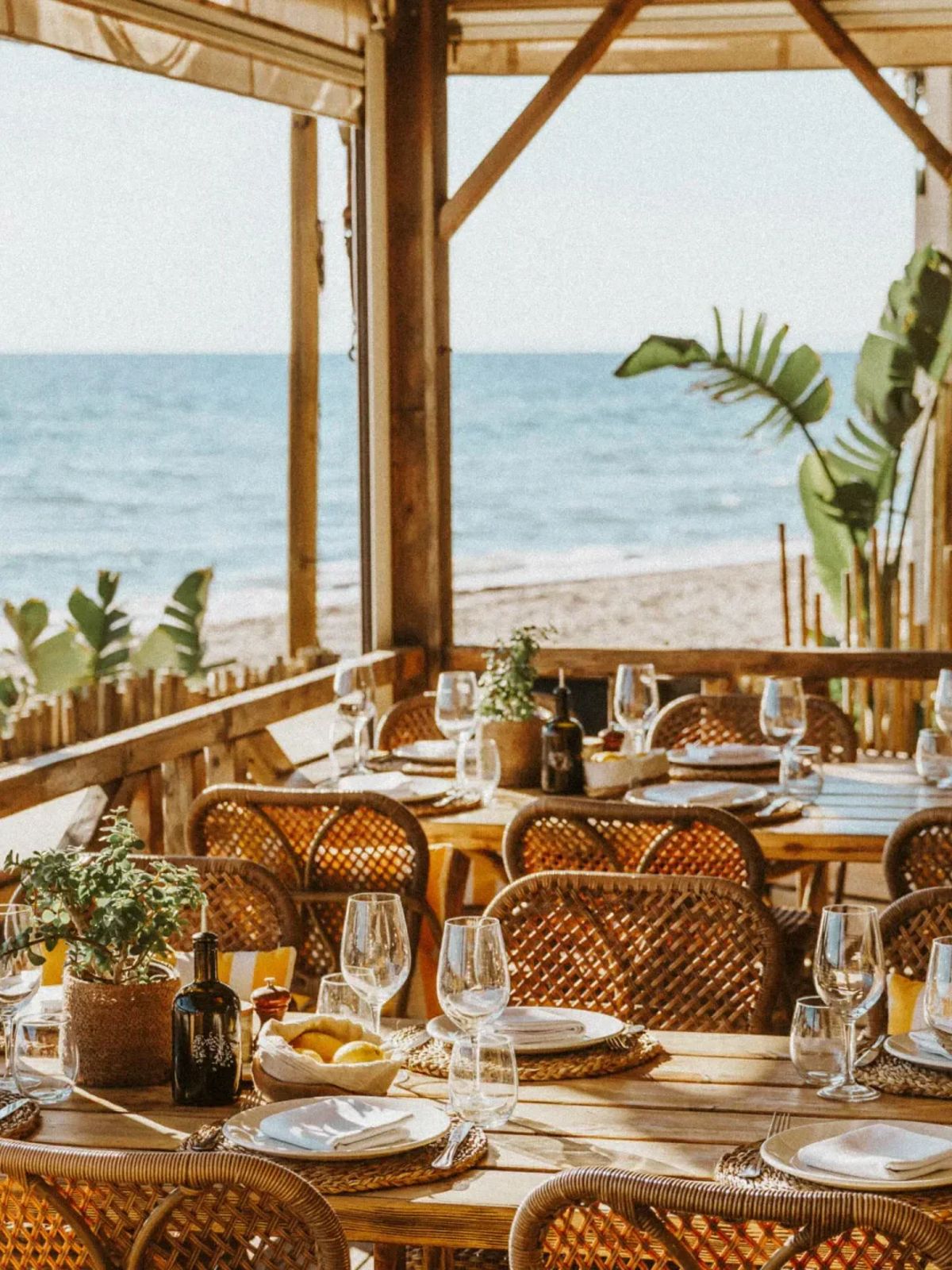


Part of our complete Costa del Sol guide
Back to the Costa del Sol guide
Thinking about a property here?
We are free to use and independent. Tell us what you are looking for, and we will send honest options that fit, with no pressure.